Author: harishali.info@gmail.com

  • What Are Crypto Hulk Signal Circles and How Do They Work?

    What Are Crypto Hulk Signal Circles and How Do They Work?

    I started paying attention to “Crypto Hulk” after seeing traders mention the name in scattered chats and private groups I monitor as part of my day-to-day crypto work. I’ve been active in digital asset trading for years, mostly focusing on short-term volatility setups and sentiment-driven moves that often originate with online personalities. In that time, I’ve learned that names like this usually carry a mix of real influence and exaggerated reputation. Crypto Hulk was no different when I first looked into it.

    First impressions from trader chatter

    My first exposure to Crypto Hulk wasn’t through any official announcement or platform, but through a customer last spring who mentioned sudden price spikes tied to “Hulk calls.” At that time, I was already tracking multiple signal groups, so I naturally compared what I was hearing with actual market behavior. What I noticed was that some of these signals lined up with short bursts of volume in low to mid-cap coins, though not consistently enough to call it predictable. Signals move fast.

    In my own workspace, I often cross-check social sentiment with order book activity, especially when a name starts trending in trading circles. Crypto Hulk, as a concept or persona, seemed to sit in that grey zone where hype and real trading momentum overlap. A few traders I’ve spoken to treat it like a shortcut, while others see it as noise that occasionally hits. I stay in the middle and observe before reacting.

    During one of my routine checks, I came across a platform discussion where people were mapping out alleged “Crypto Hulk” entries and exits in meme coins. It reminded me of similar phases I’ve seen in earlier cycles where traders follow influencers more than they follow charts. In practice, that usually leads to late entries, but it also creates temporary liquidity spikes that experienced traders sometimes exploit.

    How traders try to track Crypto Hulk activity

    Over time, I noticed that some traders try to reverse-engineer Crypto Hulk moves using timing patterns and social monitoring tools. In my own workflow, I rely more on chart structure and volume confirmation, but I still find value in watching how narratives form around these names. For anyone trying to track it seriously, I once pointed a junior trader toward a monitoring dashboard that helped him organize sentiment feeds and alerts, and it included a crypto hulk trading resource that he used as a reference point while comparing social signals with real-time price action. He later told me it helped him understand how quickly narratives can distort entry decisions. That kind of observation matters more than chasing every alert.

    In practice, I see that Crypto Hulk discussions often cluster around low-liquidity tokens, making price movements more sensitive to even small waves of buying pressure. I’ve seen situations where a handful of retail entries, triggered by social buzz, led to a 10-20% move within hours. That sounds exciting, but it also fades just as quickly once attention shifts elsewhere. Most traders underestimate how fast attention cycles rotate in crypto markets.

    Several thousand dollars can move differently depending on the coin’s depth, and I’ve witnessed cases where even modest capital inflows created sharp candles simply because the order books were thin. That’s where names like Crypto Hulk become part of the environment rather than a direct cause. The real driver is always liquidity and timing, not the personality itself. Still, people tend to attribute movement to whatever narrative is trending at the moment.

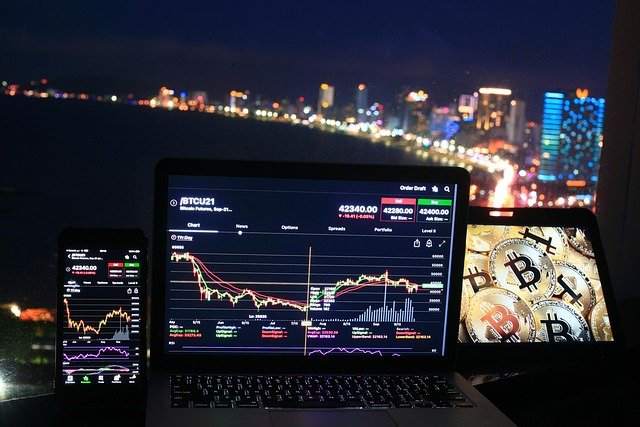
    Crypto Hulk Signal Circles

    My process before reacting to hype signals

    Before I even consider acting on any trending crypto persona, I go through a simple internal filter based on structure, liquidity, and confirmation signals. I don’t treat any signal source as authoritative, even if it has a strong following. Years in this field have taught me that consistency matters more than excitement, and excitement is usually what these names generate. I keep my focus on repeatable setups instead of isolated wins.

    There was a phase when I experimented with tracking influencer-driven pumps more actively, just to better understand the mechanics. I remember sitting through multiple screens, watching charts while social mentions spiked in real time, trying to map behavior patterns across different exchanges. What stood out most was how quickly traders forget risk when they believe a signal is “certain.” That illusion is what usually leads to fast reversals.

    Crypto Hulk, as a term, became part of that broader observation for me, rather than something I follow directly. I’ve seen enough cycles to know that personalities fade, but trading behavior repeats itself with different names attached. The structure behind it doesn’t really change, even when the branding does. It’s always the same mix of fear, urgency, and opportunity compressed into short time windows.

    On a more practical level, I still prefer setups where I can define risk clearly before entering. That means I rarely act on hype alone, even when the narrative feels strong. One of my colleagues once told me that ignoring hype completely is just as dangerous as following it blindly, and I’ve found that balance to be true. You observe it, but you don’t depend on it.

    Crypto markets reward timing more than opinions. I’ve seen traders double their positions on Crypto Hulk-related chatter, only to exit at break-even or in the red because they entered too late in the cycle. At the same time, I’ve also seen disciplined traders use the same volatility to their advantage by waiting for confirmation instead of chasing movement. The difference is never the signal itself, but the reaction to it.

    In the end, I treat Crypto Hulk like most crypto narratives: they surface and fade. It’s part of the environment I work in, not a strategy I build around. The real edge still comes from reading charts without emotional interference and understanding when a move is already over before most people notice it.

  • Why Crypto Is Down Right Now and What I’m Seeing on the Trading Desk

    Why Crypto Is Down Right Now and What I’m Seeing on the Trading Desk

    I spend most mornings checking charts before the rest of the world fully wakes up, and lately, those screens haven’t been pleasant to look at. As someone who manages crypto trades for clients and watches order books move in real time, I’ve learned that sudden drops rarely come from a single cause. Right now, the downturn feels like pressure building from several directions at once. I’ve seen similar phases before, but each one still has its own triggers and mood.

    Market sentiment is shifting faster than liquidity.

    The first thing I noticed this time was how quickly sentiment flipped. A week where traders expected a steady recovery turned into hesitation almost overnight, and that hesitation spread through leveraged positions. I remember a customer last spring who insisted that “this cycle is different,” right before a sharp 12% drop wiped out overextended longs in a matter of hours. That kind of overconfidence tends to repeat itself in crypto cycles, and I’m seeing it again.

    What’s happening now is not just fear, but a lack of conviction on both sides of the trade. Buyers are waiting for clearer signals, while sellers are reacting to small dips with larger exits. That imbalance creates thinner liquidity, exaggerating every downward move. Even a moderate sell order can push prices more than expected when the order book is light.

    There’s also a psychological layer that doesn’t show up in charts. After a strong rally phase, traders often expect continuation, and when that doesn’t happen, disappointment turns into risk reduction. I’ve had conversations with traders who reduced exposure not because of bad news, but simply because “it feels heavy right now,” which is a common phrase during early-stage corrections.

    Macro pressure and how it filters into crypto

    The second force I keep seeing is macro pressure bleeding into digital assets. Interest rate expectations, inflation updates, and even stock market pullbacks tend to hit crypto harder than traditional assets. One of my clients, who also trades equities, told me he reduced his crypto exposure after watching tech stocks lose momentum for several consecutive sessions.

    In situations like this, people often look for structured platforms to manage exposure or rebalance portfolios. I’ve seen traders use tools on crypto exchange platforms to quickly switch between stablecoins and major assets when volatility spikes. That kind of fast repositioning becomes more common when macro uncertainty increases. The speed at which funds rotate tells me more about fear levels than any headline does.

    What stands out to me this time is how synchronized the markets feel. Bitcoin, Ethereum, and even smaller altcoins are not behaving independently. They’re moving in the same direction, which usually signals macro influence rather than isolated project weakness. When that happens, I tend to focus less on individual tokens and more on external economic signals.

    Energy prices, central bank commentary, and global risk appetite all quietly shape crypto demand. Even if traders don’t directly connect those dots, institutional desks definitely do. When those larger players step back, retail sentiment usually follows within days.

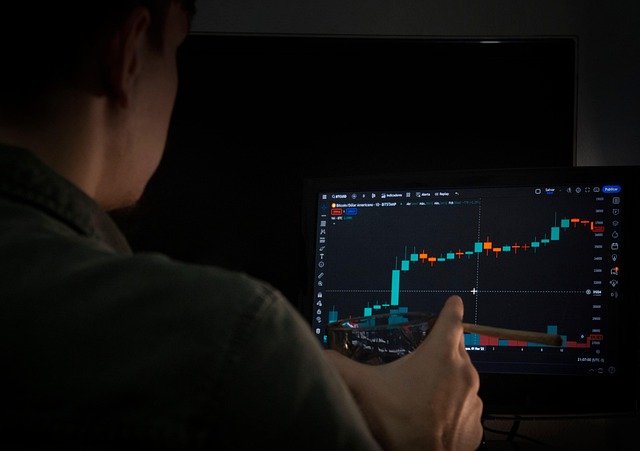
    Why Crypto Is Down

    Leverage unwinding and forced selling pressure.

    Another major reason behind the current drop is leverage unwinding. This is something I monitor closely because it accelerates price moves more than almost anything else in crypto. When too many traders borrow capital to amplify positions, even a small dip can trigger liquidations that push prices further down.

    I remember a session not long ago where Bitcoin dropped only a few percentage points, but cascading liquidations turned it into a much sharper decline within minutes. That type of movement is not driven by conviction selling, but by forced exits. Once those positions start closing, the market doesn’t wait for sentiment to catch up.

    Right now, funding rates across several exchanges have been fluctuating more than usual, suggesting traders were leaning too heavily in one direction. When that imbalance corrects, it rarely happens smoothly. Instead, the market shakes out excess leverage before it stabilizes again. I’ve seen this pattern enough times to recognize the early signals.

    There’s also a ripple effect after liquidations. Algorithms react, stop-loss orders trigger, and market makers widen spreads to manage risk. That combination creates a feedback loop in which prices continue to drift downward even after the initial trigger is gone. It usually takes time for stability to return because confidence has to be rebuilt from a lower base.

    Profit-taking after a strong run

    The final factor I keep hearing from both retail traders and small funds is simple profit-taking. After a strong upward phase, people naturally lock in gains. I had a conversation with a trader who held positions for months and finally exited part of his portfolio after seeing returns in the several-thousand-dollar range per trade. He wasn’t bearish; he was just cautious about giving back profits.

    That kind of behavior adds steady selling pressure without any panic. It’s not dramatic, but it accumulates. When enough participants do it at the same time, the market starts to drift downward even without negative news. I’ve noticed this pattern more clearly in altcoins, where liquidity is thinner, and exits have a larger impact.

    Profit-taking also interacts with sentiment. Once prices start slipping, early sellers feel validated, and others follow. It becomes a self-reinforcing cycle that feeds on itself until a new equilibrium is found. From my seat, that equilibrium usually comes after both buyers and sellers feel equally uncertain again.

    What makes this phase interesting is that it doesn’t feel like a collapse, more like a reset. Volume is still active, just less aggressive than during peak optimism. That usually signals that the market is digesting gains rather than abandoning them entirely.

    I’ve learned not to rush these periods. They often look worse in the middle than they do in hindsight. The key is watching whether selling pressure fades or continues to build across multiple sessions.

  • Bulls and Apes Project Crypto and the Crowd Behind It

    Bulls and Apes Project Crypto and the Crowd Behind It

    I work as a crypto community analyst, and I have spent the last few years moderating and observing NFT-based groups that form around meme-driven projects. The Bulls and Apes Project crypto discussion kept coming up in my daily work across Discord servers and small investor circles. I have seen how quickly these communities form, expand, and sometimes lose direction when hype takes over fundamentals. My perspective comes from watching these cycles from the inside rather than reading about them from a distance.

    How Bulls and Apes Project Crypto Started Gaining Attention

    The first time I came across the Bulls and Apes Project crypto was inside a mid-sized NFT discussion group where traders were comparing it with other animal-themed collections. Most of the talk was not about technology at first, but about visuals, rarity traits, and early-entry positioning. I remember a conversation where someone mentioned holding a small batch of tokens, hoping for community-driven growth over time.

    I have seen this firsthand. People were treating it like a social experiment more than a financial product. The way these projects spread usually follows a familiar pattern where memes, branding, and scarcity narratives do more work than technical documentation in the early stages.

    In one discussion thread, a participant explained how they entered early and stayed active in community channels just to track sentiment shifts, which is often how momentum builds in these ecosystems. That kind of participation is common in NFT-related crypto projects where attention itself becomes a form of value tracking.

    Trading Behavior and Community Activity Around the Project

    In my role, I often monitor how traders behave once a project starts circulating beyond its initial group of supporters. Bulls and Apes Project crypto discussions tend to shift quickly from curiosity to speculation as listings and secondary-market activity increase. I have watched people move in and out within days, driven by social momentum rather than long-term planning.

    For users looking for general market-tracking tools and community discussion hubs, I have seen some rely on the Bulls and Apes Project to stay up to date on circulating updates and sentiment changes. That kind of centralized information point often serves as a reference for new entrants trying to understand whether attention is growing or fading. In many cases, the usefulness depends more on community activity than on any official updates.

    There was a moment during one trading cycle where volume increased sharply after a few influencers mentioned similar animal-themed projects in the same category. I remember a few users in a group chat debating whether the rise was organic or purely driven by coordinated attention spikes. These debates are common and rarely resolved because data alone does not fully explain sentiment-driven markets.

    Some participants treat it as a short-term opportunity, while others hold out for long-term ecosystem development. I have noticed that both groups often operate in the same channels but interpret the same signals very differently, which creates constant friction in discussions.

    Bulls and Apes Project Crypto

    Market Sentiment and Risk Reality

    Whenever I analyze projects like the Bulls and Apes Project crypto, I focus less on branding and more on how quickly sentiment shifts after the initial hype fades. In many cases, early excitement is not matched by sustained utility, which leads to uneven price behavior. That gap between attention and long-term structure is where most misunderstandings happen.

    I have seen participants enter with several thousand dollars, expecting momentum to continue indefinitely, only to later realize that liquidity and engagement can drop faster than expected. This is not unique to this project, but it is a repeating pattern across similar crypto communities built around collectible identity themes.

    Risk perception also varies widely. Some traders are fully aware they are participating in high-volatility environments, while others assume early community strength guarantees long-term stability. I often remind people in discussions that community size alone does not ensure sustained value unless there is consistent development activity behind it.

    There was a case in a group I moderated where users compared multiple animal-themed projects side by side to predict which would maintain engagement longer. The conversation eventually shifted toward liquidity depth and holder distribution rather than branding, which is usually where more grounded analysis begins.

    How I See These Projects Evolving Over Time

    From my experience watching multiple cycles of similar crypto projects, I have learned that narratives evolve faster than infrastructure. Bulls and Apes Project crypto fits into a category where storytelling, community identity, and speculation interact continuously. That interaction can sustain attention for a while, but it does not always translate into long-term ecosystem growth.

    I have noticed that projects in this category tend to either evolve into broader platforms or slowly fade into niche collector status. The direction depends heavily on whether developers continue building utility after the initial hype period or simply rely on market memory to sustain interest.

    One pattern I see repeatedly is that communities stay active even after trading volume declines. People continue discussing past wins, missed opportunities, and potential comebacks. That social layer often becomes more persistent than the financial activity itself.

    Working closely with these communities has taught me to separate excitement from structure. Not every spike in attention signals long-term direction, and not every quiet period signals decline. The reality usually sits somewhere in between, shaped by ongoing participation and developer engagement rather than short bursts of hype.

  • Trading HOMA Crypto in Real Market Conditions

    Trading HOMA Crypto in Real Market Conditions

    I have been working around crypto markets for years, mostly as a freelance trader who also helps smaller retail investors understand what they are actually buying. HOMA crypto started showing up in my watchlists through client questions rather than my own discovery.

    The first time I looked into it, I treated it like any other emerging token with unclear branding and heavy community chatter. What followed was a mix of technical digging, price observation, and conversations with people who had already invested in it. That combination usually tells me more than any single whitepaper ever does.

    First impressions from market behavior

    When I first tracked HOMA crypto, I noticed how quickly sentiment could swing without any strong fundamental updates. That is something I have seen in several early-stage tokens where liquidity is thin, and attention drives movement more than utility. A customer last spring showed me a chart where the price jumped sharply within hours, then retraced almost as quickly once the hype cooled. These patterns are not unusual, but they matter because they tell you where the risk actually sits.

    While reviewing early trading activity, I also checked a few external resources and community discussions to compare how different platforms were describing the token. One of the more organized breakdowns I came across was through a HOMA crypto resource hub that collected contract details, community links, and general token notes in one place. I do not rely on any single site for decisions, but having structured information helps reduce noise when everything else online feels scattered. I still cross-check everything manually before making any judgment.

    From my experience, tokens like this often attract two types of participants. One group is chasing short-term volatility, while the other is trying to understand whether there is any long-term utility behind the branding. I usually fall into the second group when I am advising others, because hype alone does not hold value for long. With HOMA crypto, that gap between speculation and actual use case felt especially wide during early observations.

    How I evaluate tokens like HOMA crypto

    My process for evaluating something like HOMA crypto is not complicated, but it is deliberate. I start with liquidity depth, then move into holder distribution and contract transparency. If those three areas look unstable, I slow down immediately, regardless of what social media is saying. I have seen too many tokens rise on momentum and fade when early holders exit at the same time.

    HOMA crypto gave mixed signals in this regard. On one hand, there were active wallets and repeated transactions suggesting engagement. On the other hand, concentration patterns hinted that a relatively small number of participants could still influence price direction. That combination makes it harder to treat the asset as stable in any traditional sense.

    One thing I always remind newer traders is that token identity does not guarantee token behavior. A project can present itself with strong branding and still behave like a short-cycle speculative instrument. I have seen several thousand dollars move in and out of similar assets within days, often driven more by emotion than structured analysis. That is why I focus less on narrative and more on transaction flow.

    Trading HOMA Crypto

    Community behavior and risk signals

    Community activity around HOMA crypto is one of the more interesting parts to observe. In my work, I often monitor how discussion patterns change after price movements rather than before. If conversation spikes after a pump, it usually signals reactive participation rather than organic growth. With HOMA crypto, I noticed that pattern more than once during early phases of attention cycles.

    Another factor I pay attention to is how people talk about entry points. When discussions are mostly about timing the next surge rather than understanding the project itself, it usually means expectations are centered on speculation. I had a client last winter who entered a similar token for exactly that reason, only to exit later with a smaller position after realizing the cycle was repeating without meaningful development updates.

    Risk in these environments is not always obvious at first glance. Liquidity can appear sufficient until larger holders decide to exit, at which point price behavior changes quickly. I do not say that to discourage participation entirely, but to emphasize that timing and position size matter more than conviction alone in cases like this.

    Where I see HOMA crypto fitting into a portfolio

    If I were placing HOMA crypto into a broader portfolio context, I would treat it as a high-risk exploratory allocation rather than a core holding. That means small exposure, strict exit rules, and no emotional attachment to price swings. I have used this same approach with other early-stage tokens, and it tends to reduce damage during unexpected volatility.

    There is also a psychological component that often gets overlooked. Once someone sees quick gains in a token like this, it becomes harder to detach from the idea of repeating that outcome. I have watched experienced traders fall into that cycle just as easily as beginners, especially when markets move faster than their original plan.

    HOMA crypto may evolve over time or remain a short-term trading instrument driven by cycles of attention. From my standpoint, the safest approach is to assume uncertainty rather than stability. That mindset keeps decisions grounded in observable data instead of hope, which is usually where most mistakes begin.

    After spending time watching its behavior and comparing it with similar tokens I have handled in live portfolios, I keep my position conservative and my expectations flexible. Markets like this reward patience more than prediction, even when everything around them seems to be moving in the opposite direction.

  • Memoverse Crypto and the Push Toward Memory-Based Digital Assets

    Memoverse Crypto and the Push Toward Memory-Based Digital Assets

    I have spent the last few years working with early-stage crypto communities, especially meme-driven tokens that aim to evolve into more structured projects over time. Memoverse crypto is one of those ideas that kept coming up in conversations with traders, builders, and token holders who wanted more than just hype cycles. I first came across it while helping a small group structure a community token that tried to attach value to digital identity and shared memory. What caught my attention was how often people compared it to older meme coins, even though the goals were slightly different.

    What Memoverse Crypto Tries to Represent

    In my experience, memoverse crypto is less about a single coin and more about a concept where digital memories, culture, and on-chain interactions are treated as assets. I saw it discussed in small Discord groups where traders tried to map viral internet moments into token ecosystems. The idea sounded abstract at first, but it kept resurfacing in different forms across projects I monitored.

    Most memoverse-style projects I have worked on attempt to tie engagement, content creation, or community activity into token rewards. I remember a customer last spring asking whether their meme collection could be turned into something tradable beyond simple NFTs. That conversation reflected a wider curiosity about turning digital culture into something that behaves like financial infrastructure.

    Some developers argue that memoverse crypto is just a rebranding of meme coin mechanics, while others see it as an early attempt at building persistent cultural archives on-chain. I have seen both sides in meetings where people debated whether attention itself can be tokenized without collapsing into pure speculation. My own view sits somewhere in the middle, shaped by watching projects rise quickly and lose momentum just as fast.

    Trading Activity and Early Adoption Patterns

    When I worked with traders exploring memoverse crypto tokens, I noticed that most entry decisions were driven by community momentum rather than technical fundamentals. One group I assisted was tracking multiple new tokens across decentralized exchanges to identify which had sustained engagement beyond the initial hype wave. That process was messy, but it showed that early adopters often rely more on social signals than on charts.

    During that period, I also came across the Memoverse crypto platform while reviewing different tools used for tracking emerging token communities and liquidity shifts. It was being used in discussions as a reference point for monitoring how narrative-driven tokens behave after launch. I noticed traders often compared data from that platform with what they were seeing in chat groups and community feeds. It helped them decide whether a token had staying power or was just another short-lived trend.

    One thing I learned quickly is that memoverse crypto trading does not behave like traditional market analysis. Price movements are often tied to memes, viral posts, or influencer mentions that disappear within hours. I remember one instance where a token doubled in value after a single community post, then settled back down within a day once attention shifted elsewhere. That kind of volatility is common in this space.

    Memoverse Crypto

    Risks, Sentiment Shifts, and Community Fragility

    From my perspective, the biggest challenge with memoverse crypto projects is the fragility of community sentiment. I have seen groups of several thousand participants lose interest almost overnight when the narrative stops evolving. That creates a cycle in which developers feel pressured to constantly produce new angles just to maintain engagement.

    I once worked with a small team that tried to stabilize a memoverse-inspired token by introducing gamified memory layers. The idea was to reward users for preserving and sharing cultural moments within the ecosystem. It worked briefly, but participation dropped once rewards slowed. That experience made it clear how dependent these systems are on constant activity.

    Another issue I observed is that speculation often overwhelms utility before any real structure is built. People enter expecting fast returns, not long-term participation. I have seen traders exit positions within hours, even after initially claiming belief in the project’s vision. That mismatch between expectation and reality creates constant friction.

    There is also a psychological layer to memoverse crypto that is hard to ignore. People attach emotional value to memes and communities, which makes decision-making less rational than in other crypto sectors. I have watched conversations shift from technical discussion to personal attachment in just a few minutes, especially in highly active groups.

    Where the Idea Might Be Heading

    Despite the volatility, I still see ongoing experimentation around memoverse crypto concepts. Some developers are trying to anchor these systems with more structured data layers, while others focus on community governance and storytelling. I have participated in a few planning sessions aimed at making meme-driven ecosystems more sustainable without killing their spontaneity.

    In one discussion group I worked with, we explored whether long-term memory chains could preserve digital culture beyond individual token cycles. The conversation was speculative, but it reflected a genuine desire to move beyond short bursts of attention. Even then, nobody agreed on how to balance permanence with the fast-moving nature of online culture.

    What stands out to me is that memoverse crypto is still in an experimental phase. It is not a finished category, and it may never become one in the traditional sense. I have seen enough iterations of similar ideas to know that most will evolve, merge, or disappear entirely depending on user interest.

    I still follow the space because it keeps revealing how people interact with value, identity, and memory in digital environments. Whether it stabilizes into something structured or remains a shifting set of experiments is for the market to decide over time. For now, it remains one of the more unpredictable corners of crypto work I have been involved in.

  • How to Prepare for a Potential End to the Crypto Bull Run

    How to Prepare for a Potential End to the Crypto Bull Run

    I run a small crypto derivatives desk focused mainly on BTC and ETH perpetual futures, and I have been through more market cycles than I can comfortably count without feeling tired. The question of whether the crypto bull run is over has been coming up in almost every conversation I have had with traders over the past few weeks. I hear it from people who are fully invested and from others sitting mostly in stable positions, watching from the sidelines. My own view keeps shifting as I watch price action, funding rates, and how quickly sentiment flips after each move.

    What the current market behavior is telling me

    When I look at recent trading behavior, I do not see a clear beginning or end, only fragmentation. Some days feel like distribution; other days, like accumulation hiding in plain sight. I remember a customer last spring who kept insisting that every dip marked the end of the cycle, but those dips turned out to be part of a broader uptrend that lasted months longer than expected. That kind of memory keeps me from drawing strong conclusions too early.

    Volatility has been uneven rather than directional, and that is usually what makes traders uncomfortable. I have seen liquidation spikes on both sides, which tells me positioning is still crowded in short bursts rather than committed to a single direction. The mood feels different. I am not sure yet.

    There is also a noticeable change in how quickly narratives rotate. One week it is ETFs, the next week it is altcoin liquidity, and then suddenly it is macro rate expectations again. In past cycles, trends tended to hold attention longer before rotating. Now everything feels compressed, as if the market is reacting faster than participants can fully adjust.

    How positioning and tools shape my read

    For my own workflow, I rely on order flow tools, funding data, and a simple set of macro indicators rather than predicting direction solely from sentiment. A few years ago, I leaned too heavily on social signals, and it cost me during a sharp reversal that wiped out several thousand dollars in unrealized gains in a matter of hours. That experience pushed me to focus more on structure than noise.

    One of the platforms I check regularly is the crypto market data dashboard, because it lets me compare funding rates and open interest across exchanges in a single view. I do not treat it as a prediction tool, but it helps me understand where leverage is building up before it becomes visible in price action. That kind of early warning is often more valuable than guessing whether a bull run is over. It also helps me stay grounded when social media starts calling for extreme outcomes.

    Even with better tools, I still find that the market punishes certainty. Traders who assume the bull run is over tend to miss sudden expansions, while those who assume it is always continuing tend to get caught in sharp corrections. I have learned to stay smaller during unclear phases and let structure confirm itself before increasing exposure. It is not perfect, but it reduces the need for emotional decisions.

    Crypto Bull Run

    Signals I still pay attention to

    There are a few signals I track closely that tend to matter more than headlines. Funding rates staying persistently positive without price continuation is one of them, because it often shows overcrowded longs. I also monitor long-term holder behavior, especially when older wallets start moving coins into exchanges after long periods of dormancy. These shifts do not always mean an immediate top, but they often mark transitions in momentum.

    Another signal is how altcoins behave relative to Bitcoin during pullbacks. In strong bull phases, altcoins sometimes recover faster than BTC after dips, showing appetite for risk beyond the base asset. When that relationship weakens, it usually means participants are becoming more defensive. The shift is subtle at first, then suddenly obvious after a larger move has already happened.

    Macro conditions still matter more than many crypto-native traders admit. Liquidity expectations, interest rate direction, and broader market risk appetite all influence the amount of capital flowing into digital assets. I have seen periods where on-chain metrics looked strong, yet price stalled because external liquidity tightened. That mismatch is often where confusion about the bull run starts.

    Where I think we are heading next

    Right now, I do not see evidence that supports a clean label of “over” or “still running” without caveats. The structure looks more like a late-cycle expansion that is still trying to decide whether it has enough fuel for another strong leg. I have been wrong before by assuming exhaustion too early, so I avoid making that mistake again.

    What I do think is happening is a shift in the quality of participation. The fast speculative money that drives aggressive vertical moves seems less consistent, while more patient capital is slowly accumulating during dips. That combination can extend cycles longer than most people expect, even if the pace feels slower and less exciting than earlier phases.

    I also pay attention to how quickly fear returns after corrections. In strong ongoing bull phases, fear tends to be short-lived and quickly absorbed. In weaker phases, fear lingers and builds into longer consolidation. The current environment sits somewhere between those two, which is why conviction remains split among traders I speak with regularly.

    The question of whether the crypto bull run is over does not have a clean answer in my experience. Markets rarely end in a single moment; they transition. I continue trading smaller, watching structure, and letting the market show commitment before I increase risk again.

  • Crypto Luigi and the Noise Around New Token Cults

    Crypto Luigi and the Noise Around New Token Cults

    I first came across Crypto Luigi while auditing small-cap tokens that kept popping up in community chats I monitor for client projects. At the time, I was working with a handful of investors who were trying to separate real early-stage crypto projects from pure hype cycles. Crypto Luigi kept showing up in those discussions like a meme wrapped in a financial pitch. I decided to track it the same way I track new tokens that spread faster on social channels than on-chain fundamentals can justify.

    The first signals I noticed

    My background is in crypto compliance consulting, mostly helping small trading groups and indie project founders structure their token launches without running into obvious regulatory issues. I’ve seen dozens of projects that start as jokes and slowly morph into speculative communities with real money flowing in. Crypto Luigi felt like one of those cases where branding and narrative were doing more work than the actual product. A customer last spring even asked me if it was “the next meme wave,” which told me everything I needed to know about how fast it was spreading.

    For buyers who want a place to compare specs, support details, or product availability, it can fit naturally into that research process. I usually tell people to verify everything through multiple independent sources before putting money into any token that leans heavily on meme identity. In one case, I saw a small trading group allocate several thousand dollars into a similar project just because the branding felt familiar and “fun.” That kind of decision-making pattern is exactly what I try to slow down when I review projects like Crypto Luigi.

    What stood out most was how quickly the narrative formed around it. There were Telegram groups, short-form videos, and repeated claims about “community-driven growth,” but very little technical documentation. I’ve learned that when a crypto idea relies more on repetition than explanation, it usually signals marketing momentum rather than structural strength. That doesn’t automatically make it fraudulent, but it does demand a closer look at incentives and liquidity behavior.

    How Crypto Luigi behaves in market chatter

    I started watching Crypto Luigi the same way I monitor thin-liquidity tokens that spike on sentiment alone. In practice, that means tracking wallet clustering, social volume, and how often the same phrases repeat across different platforms. One thing I noticed early was how quickly the discussion shifted from curiosity to urgency. That urgency is often manufactured, not organic, and I’ve seen it push inexperienced traders into rushed entries.

    Several years ago, I worked with a small advisory group that used a basic screening method for tokens, and I still apply a version of it when evaluating projects like Crypto Luigi. The method is simple: if the story changes faster than the codebase, something is off. I once saw a similar token rise sharply over a weekend, only to lose most of its traction after early holders started exiting in coordinated waves. Crypto Luigi showed early signs of that same rhythm, though not yet on the same scale.

    In my own workflow, I try to anchor analysis in observable behavior rather than community sentiment alone. That includes reviewing liquidity pools, token distribution patterns, and whether updates actually match the claims made online. I also cross-check whether developers are active in meaningful ways or just recycling announcements. With Crypto Luigi, the signals were mixed, which is usually more dangerous than clear failure signs because it keeps people uncertain but engaged.

    Crypto Luigi

    Where the confusion usually starts

    I’ve seen Crypto Luigi mentioned in the same breath as other meme-driven assets that rely heavily on personality branding instead of utility. That alone isn’t unusual in crypto, but the issue comes when traders start treating narrative momentum as a substitute for due diligence. In one review session with a client group, we broke down a similar token and found that most participants had never actually read the contract they were trading against.

    Crypto Luigi tends to attract the attention of newer traders because its branding feels approachable. That familiarity lowers the perceived risk, which is exactly how speculative cycles gain traction. I’ve sat in discussions where people admitted they invested purely because “everyone else was talking about it,” which is rarely a good foundation for any financial decision. The pattern repeats often enough that I now flag it immediately during consultations.

    Another factor that adds to the confusion is how quickly these projects evolve their messaging. One week, it is framed as a community experiment, and the next, as a serious ecosystem play. I’ve learned to treat those shifts as signals worth slowing down for, not accelerating into. Crypto Luigi sits in that grey area where interpretation matters more than facts, and that’s where most misjudgments happen.

    What I watch before forming an opinion

    When I evaluate something like Crypto Luigi, I rely less on branding and more on consistency across time. That means tracking whether the token behaves similarly across different market conditions. If a project only shows activity during hype cycles but goes quiet otherwise, that tells me more than any promotional thread ever could.

    I also look at how transparent the community is when questions are raised. In one instance, I asked a basic question about token distribution in a discussion thread, and the responses ranged from detailed explanations to complete avoidance. That inconsistency usually signals that the community itself is still trying to align around a shared understanding rather than working from established facts.

    Crypto Luigi, like many meme-driven assets, exists in a space where perception often moves faster than verification. I’ve seen experienced traders navigate that space carefully, taking small positions while they observe rather than committing heavily upfront. That approach has saved more than a few portfolios I’ve advised over the years, especially during sudden sentiment spikes.

    What I tell people who ask me about projects like this is simple: treat attention as a starting point, not validation. The more noise a token generates, the more disciplined your analysis needs to be. I’ve watched enough cycles to know that excitement fades quickly, but the consequences of rushed decisions tend to last much longer than the hype itself.

  • Trading FuzioNetwork DEX After Watching Early DeFi Liquidity Patterns Shift

    Trading FuzioNetwork DEX After Watching Early DeFi Liquidity Patterns Shift

    I am a DeFi trading consultant who has spent years sitting between retail traders and early-stage decentralized exchanges, often helping people route swaps and understand on-chain liquidity behavior. My experience with FuzioNetwork DEX crypto tools came from testing it alongside other experimental order-book-style DEX systems while working with small trading groups in Punjab and with remote clients abroad. I am not approaching this as theory, but rather through repeated hands-on experience with live trades, test wallets, and imperfect liquidity conditions.

    First impressions from live DEX usage

    My first interaction with FuzioNetwork DEX crypto tools happened during a late-night testing session with a group of traders who were trying to compare execution speed across newer decentralized exchanges. We were not chasing hype; we were checking slippage patterns under thin liquidity conditions using small experimental positions. I remember one trader saying the execution felt “too direct,” meaning there was less buffering between order intent and chain execution than they expected.

    At that stage, I treated it like any other experimental DEX interface, watching how wallet connections behaved under repeated swaps and how quickly liquidity pools adjusted. Some tokens filled instantly, while others sat pending longer than expected, especially during higher-volatility windows. Very fast swaps. That was one of the early notes I wrote in my log after a short burst of testing.

    The interesting part was not just speed but also consistency over repeated use. A customer last spring had similar feedback when comparing early routing behavior across decentralized platforms, which helped me frame what I was seeing here. I started treating FuzioNetwork less like a novelty and more like a system that needed stress testing under realistic trading conditions.

    How I tested execution and routing behavior

    During deeper testing sessions, I used multiple wallets to simulate fragmented liquidity and observed how FuzioNetwork DEX crypto routing responded as order sizes increased gradually rather than all at once. I also compared it against older automated market maker models to see where execution diverged under pressure. For structured liquidity testing, I occasionally reference tools and guides from the FuzioNetwork DEX interface to verify routing logic and update patterns during live swaps. The results were not uniform, which is normal for systems still evolving their matching logic.

    Some swaps behaved predictably, especially smaller ones routed through deeper pools, while mid-sized trades showed noticeable shifts in price impact. I observed that routing decisions sometimes favored speed over optimal pricing, which is a trade-off I have seen in several emerging decentralized exchanges. In one session, a trader I was assisting noticed a difference of several hundred units in expected output across two identical timing attempts.

    What stood out to me was how user behavior influenced perceived stability. Traders who entered and exited quickly experienced fewer anomalies, while those who tried to split larger positions across multiple pools saw greater variation. This is not unusual in DEX environments, but FuzioNetwork’s approach made the differences more visible than some of the older platforms I have tested.

    Trading FuzioNetwork DEX

    Liquidity depth and token pair behavior

    Liquidity is where FuzioNetwork DEX crypto systems become more interesting to analyze because the behavior of token pairs is not always symmetrical. I watched how stable pairs reacted compared to newer or lower-volume assets, and the gap between expected and realized output widened significantly in thinner pools. This is where most traders either gain or lose confidence, depending on their entry timing.

    I noticed that stable pairs tended to hold more predictable spreads, especially during moderate trading activity. On the other hand, newly listed tokens sometimes showed inconsistent depth distributions across routing paths, leading to uneven execution results. One of my long-term clients described it as “liquidity that appears and disappears between confirmations,” which is not far from what I observed in repeated tests.

    There were moments where liquidity rebalancing happened mid-session, affecting pending orders that had already been submitted but not yet confirmed on-chain. That kind of behavior is something I have seen before in experimental DEX environments, but here it felt slightly more responsive, almost reactive to sudden flow changes rather than gradual adjustments.

    Common mistakes I kept seeing among traders

    One recurring issue I observed was traders assuming that every swap route behaves like a centralized exchange order book, which is not how FuzioNetwork DEX crypto execution logic operates. I had several conversations with users who expected fixed pricing across short time windows, and they were surprised when slippage adjusted mid-route due to pool rebalancing.

    Another mistake involved over-sizing early trades without testing liquidity depth. I watched a few users push relatively large orders into low-volume pairs and then react emotionally when execution deviated from expected output. This is usually avoidable with smaller test transactions, but impatience often overrides caution in fast-moving environments.

    There was also a pattern of ignoring routing diversity. Some traders repeatedly used the same swap path even when alternative routes existed that would have produced slightly better outcomes under certain liquidity conditions. These small inefficiencies compound over time, especially for active participants who execute multiple trades daily.

    Finally, I noticed that many users underestimated how quickly conditions shift during volatile periods. Even experienced traders sometimes forget that decentralized liquidity is not static, and it reacts continuously to incoming and outgoing flows across multiple pools.

    Working with FuzioNetwork DEX crypto systems has reinforced something I have seen across many early DeFi environments: performance is not just about speed or interface design, but about how well users adapt their expectations to shifting liquidity and routing behavior. Every system has its quirks, and the traders who adjust fastest usually end up understanding it best without needing perfect conditions to rely on.

  • Trading Around Frensly Crypto and What I Learned From Watching It Move

    Trading Around Frensly Crypto and What I Learned From Watching It Move

    I work as a crypto liquidity analyst running over-the-counter desks for regional traders who move between meme tokens and early-stage platforms. My day usually involves watching order flow, tracking new listings, and dealing with people who react faster to social hype than to charts.

    Frensky crypto started showing up in my conversations through smaller retail groups before it ever appeared in the deeper market scans I rely on. I first treated it like another short-lived attention spike, but the behavior around it didn’t match the usual pattern.

    First Signals I Noticed in Market Flow

    My first real interaction with frensly crypto came through a customer last spring who was moving small positions across multiple new tokens at once. He mentioned Frensly in the same breath as a few social-driven coins that usually depend on community momentum rather than technical fundamentals. I remember thinking it was just another rotation, but the order book activity told a slightly different story. Volume wasn’t explosive, but it kept returning in short bursts instead of fading completely.

    When I needed clearer data on early liquidity pools, I cross-checked listings using a frensly crypto platform interface that one of my counterparties was experimenting with for tracking wallet clustering behavior. It wasn’t a perfect system, but it gave me a sense of how quickly participants were moving in and out of positions. I spent a few evenings comparing it against older meme-token cycles I had already mapped. The patterns weren’t identical, but they weren’t random either.

    What stood out most was how often small wallets re-entered within the same price range rather than fully exiting after profit-taking. That kind of repetition usually signals either coordinated behavior or a tightly connected community reacting to shared signals. I have seen similar structures before in tokens that rely heavily on social coordination, but Frensly’s activity remained more consistent than most. It didn’t collapse into silence after the initial wave, which made me keep watching longer than usual.

    Community Behavior and Trading Psychology

    Most of what drives frenzied crypto isn’t visible on traditional charts at first glance, so I spent more time reading chat clusters and wallet interactions than watching candlesticks. Traders in these spaces tend to move together emotionally, even when they think they are acting independently. I noticed repeated phrases and timing patterns across different groups that suggested shared attention triggers. That is usually where short-term momentum builds or breaks.

    One thing I learned early in my career is that you cannot separate liquidity from psychology in tokens like this. People don’t just trade price; they trade the expectation of attention. With Frensly, I saw moments where sentiment shifted within hours without any major on-chain change, which told me the narrative layer was doing more work than the technical layer. That kind of structure can hold longer than expected if engagement keeps cycling.

    The coordination wasn’t always intentional, at least not in the way outsiders imagine. It often looked like groups reacting to the same posts or signals without formal planning. That creates a feedback loop where price movement reinforces attention, and attention reinforces price movement. I have seen that the loop breaks suddenly in other assets, but here it showed slower decay, which made risk management more complex than usual.

    Trading Around Frensly Crypto

    Risk Layers I Had to Adjust For

    When I started modeling exposure scenarios for frensly crypto, I had to treat it differently from standard mid-cap tokens. Liquidity depth was thin in some periods and unexpectedly resilient in others, which made position sizing harder to stabilize. I adjusted my internal thresholds to account for sudden re-entry waves that were not visible in historical averages. That change alone reduced many false signals in my monitoring system.

    The most important lesson came from a situation in which a small cluster of wallets exited nearly simultaneously, creating a temporary gap that appeared to be a full breakdown. Within hours, new inflows replaced almost all of that movement, which is not typical for weak-hand-driven tokens. I had seen recoveries before, but not with that kind of speed and repetition. It forced me to rethink how I classify short-term exits in socially driven assets.

    I also had to accept that some of the usual risk models do not fully apply here. Standard volatility assumptions tend to undercount sudden re-accumulation phases. That doesn’t mean the token is stable; it just means the instability comes in waves rather than a single collapse. I adjusted my alerts to focus more on wallet clustering changes than price percentage swings, which gave me a clearer picture of real exposure shifts.

    Where I Think Frensly Crypto Fits in My Workflow

    At this point, I don’t treat frensly crypto as a core holding or a predictable trading instrument. I keep it in a monitoring category where I watch for liquidity changes, community activity, and wallet behavior rather than directional bias. That helps me avoid overreacting to short-term spikes that would normally trigger unnecessary trades. Experience has taught me that some tokens are better observed than actively traded.

    I still check it during my early session scans because it tends to show early signs of sentiment rotation before other assets in the same niche. That alone makes it useful as a reference point, even if I am not building positions around it. The behavior tells me more about crowd movement than about intrinsic value. That distinction matters when you are managing exposure across multiple volatile assets.

    There are days when it feels like Frensly is drifting without direction, and other days when the activity clusters tightly enough to suggest coordinated interest returning. I don’t try to predict which phase comes next anymore. I just log it, compare it, and move on to the rest of my desk work without forcing interpretation beyond what the data supports.

    I’ve learned to respect tokens that refuse to behave in clean cycles. Frensky crypto is one of those cases where the story is still being written through repeated interaction rather than a single defining move. I keep it in view, but I don’t let it define my broader trading decisions.

  • Working Through Swop Crypto as a Liquidity Trader in Decentralized Markets

    Working Through Swop Crypto as a Liquidity Trader in Decentralized Markets

    I started working with Swop crypto while managing small liquidity positions across decentralized exchanges, mostly to understand how automated market makers behave under different volatility conditions. At the time, I was handling swaps and pool strategies for a group of independent traders who wanted exposure without the need for constant manual trading.

    Swop became one of those platforms I kept returning to because of how it handled stablecoin and token pair balancing in real time. My experience with it has been shaped by trial and error and by watching how small changes in liquidity flow affect returns.

    Getting comfortable with Swop crypto mechanics

    When I first interacted with Swop crypto, I was already familiar with DeFi exchanges, but the structure still required some adjustment in thinking. The platform operates on automated liquidity pools where pricing is influenced directly by supply and demand inside the pool rather than a traditional order book. I remember testing small swaps first, just a few hundred units at a time, to see how slippage behaved under low liquidity conditions. Those early experiments taught me that timing and pool depth matter more than people usually assume.

    In one of my early setups, I was comparing different swap routes and noticed that execution speed varied depending on the token pair’s complexity. A colleague last spring asked me to review their configuration because they were losing value during high-volume periods. I explained that routing paths can change outcomes even when the displayed rate appears identical on the surface. It reminded me that DeFi systems often hide complexity behind simple interfaces.

    For traders looking to explore similar systems, I sometimes point them toward Swop crypto resources that explain liquidity mechanics in a more structured way. In fact, I often recommend reviewing how the protocol balances pools through an external reference like Swop.fi exchange before committing larger amounts, because understanding the underlying logic reduces costly mistakes. That step alone has saved several traders I worked with from unnecessary losses during volatile sessions. The learning curve is not steep, but it is unforgiving if ignored.

    I also noticed that gas fees and network congestion can affect decision-making more than expected. There were times when I delayed swaps by a few minutes and ended up with noticeably different outcomes. Small inefficiencies stack quickly when trading frequently.

    Liquidity behavior and trading experience

    Liquidity is where Swop crypto starts to feel very different from centralized exchanges. I have managed pools where token ratios shifted dramatically within hours due to sudden market movement. One particular situation involved a stable pair that briefly lost its balance after a large external sell-off, and the recovery process took longer than expected. It taught me that liquidity providers are always partially exposed to market emotion, even in automated systems.

    Over time, I began tracking pool performance manually in spreadsheets rather than relying solely on dashboards. That habit came after I noticed inconsistencies between expected and realized returns during a multi-day trading cycle. A few thousand dollars in capital behaved differently than I had predicted, not because of errors in the system, but because of shifting participation in the pools. Those small surprises changed how I evaluate risk.

    Working with decentralized systems also means dealing with unpredictable volume spikes. I once observed a sudden influx of trades during a token announcement that caused temporary imbalances across multiple pools. The system’s reaction time was fast but not instant, and that gap is where most strategic opportunities or losses occur. It is not always about predicting price direction, but about understanding how liquidity reacts under pressure.

    Many traders underestimate the extent to which psychological factors influence decentralized liquidity. People tend to react collectively, and that behavior shows up directly in pool ratios. I have seen calm markets turn unstable within a single trading session due to coordinated activity.

    Swop Crypto

    Risk management while using Swop crypto

    Risk management is where I spend most of my attention when working with Swop crypto positions. Early on, I made the mistake of concentrating too much capital in a single pool, thinking stable pairs would reduce exposure. That assumption held for a while until volatility hit both sides of the pair simultaneously, causing unexpected, temporary losses. It was a reminder that stability in naming does not guarantee stability in outcome.

    I now distribute liquidity across multiple pools with different volatility profiles. This approach does not eliminate risk, but it smooths out extreme fluctuations over time. There were periods where one pool underperformed while another compensated, keeping the overall position balanced. It feels less like prediction and more like controlled exposure management.

    Another key adjustment I made was setting internal thresholds for withdrawal. If returns drop below a certain level for a short period, I reassess rather than automatically compound. This discipline came after watching several positions erode slowly without obvious warning signs. It is easy to ignore a gradual decline when dashboards still look acceptable.

    I also avoid reacting emotionally to short-term spikes. In decentralized trading environments, sudden movements often reverse faster than expected. Patience has become a more valuable tool than aggressive repositioning.

    Long-term perspective on Swop crypto usage

    Over time, my approach to Swop crypto has shifted from active experimentation to structured allocation. I treat it less like a trading platform and more like an infrastructure layer for earning passive yield through liquidity provision. That mindset change came after months of observing how small efficiencies compound over long cycles. The system rewards consistency more than constant adjustment.

    One of the more interesting patterns I have noticed is how user behavior stabilizes during quieter market periods. When volatility drops, liquidity becomes more predictable, and returns tend to follow a narrower range. During those times, I often reduce monitoring frequency and let positions run without interference. It is not about disengaging completely, but about knowing when activity adds no real value.

    There are still moments where I actively reposition capital, especially when I see structural shifts in token demand. Those decisions are usually based on accumulated observation rather than immediate reaction. I have learned that patience inside decentralized systems often produces better outcomes than constant optimization. The system rewards those who understand rhythm more than those who chase every movement.

    Even after extended use, Swop crypto still feels like a living environment rather than a fixed product. Conditions change, participants rotate, and liquidity flows adjust continuously. Working inside that environment has made me more cautious but also more disciplined in how I approach decentralized finance overall.