I have been working around crypto markets for years, mostly as a freelance trader who also helps smaller retail investors understand what they are actually buying. HOMA crypto started showing up in my watchlists through client questions rather than my own discovery.
The first time I looked into it, I treated it like any other emerging token with unclear branding and heavy community chatter. What followed was a mix of technical digging, price observation, and conversations with people who had already invested in it. That combination usually tells me more than any single whitepaper ever does.
First impressions from market behavior
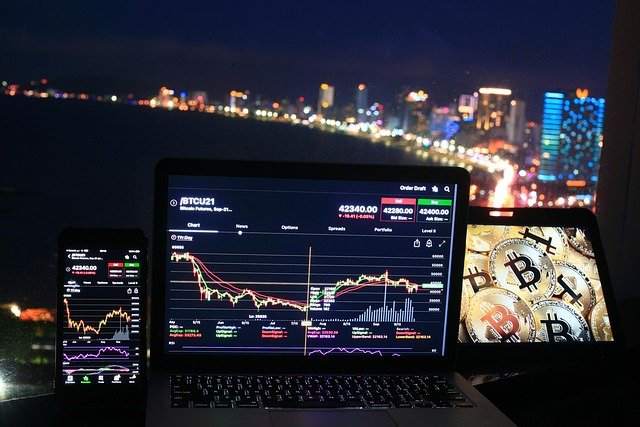
When I first tracked HOMA crypto, I noticed how quickly sentiment could swing without any strong fundamental updates. That is something I have seen in several early-stage tokens where liquidity is thin, and attention drives movement more than utility. A customer last spring showed me a chart where the price jumped sharply within hours, then retraced almost as quickly once the hype cooled. These patterns are not unusual, but they matter because they tell you where the risk actually sits.
While reviewing early trading activity, I also checked a few external resources and community discussions to compare how different platforms were describing the token. One of the more organized breakdowns I came across was through a HOMA crypto resource hub that collected contract details, community links, and general token notes in one place. I do not rely on any single site for decisions, but having structured information helps reduce noise when everything else online feels scattered. I still cross-check everything manually before making any judgment.
From my experience, tokens like this often attract two types of participants. One group is chasing short-term volatility, while the other is trying to understand whether there is any long-term utility behind the branding. I usually fall into the second group when I am advising others, because hype alone does not hold value for long. With HOMA crypto, that gap between speculation and actual use case felt especially wide during early observations.
How I evaluate tokens like HOMA crypto
My process for evaluating something like HOMA crypto is not complicated, but it is deliberate. I start with liquidity depth, then move into holder distribution and contract transparency. If those three areas look unstable, I slow down immediately, regardless of what social media is saying. I have seen too many tokens rise on momentum and fade when early holders exit at the same time.
HOMA crypto gave mixed signals in this regard. On one hand, there were active wallets and repeated transactions suggesting engagement. On the other hand, concentration patterns hinted that a relatively small number of participants could still influence price direction. That combination makes it harder to treat the asset as stable in any traditional sense.
One thing I always remind newer traders is that token identity does not guarantee token behavior. A project can present itself with strong branding and still behave like a short-cycle speculative instrument. I have seen several thousand dollars move in and out of similar assets within days, often driven more by emotion than structured analysis. That is why I focus less on narrative and more on transaction flow.
Community behavior and risk signals
Community activity around HOMA crypto is one of the more interesting parts to observe. In my work, I often monitor how discussion patterns change after price movements rather than before. If conversation spikes after a pump, it usually signals reactive participation rather than organic growth. With HOMA crypto, I noticed that pattern more than once during early phases of attention cycles.
Another factor I pay attention to is how people talk about entry points. When discussions are mostly about timing the next surge rather than understanding the project itself, it usually means expectations are centered on speculation. I had a client last winter who entered a similar token for exactly that reason, only to exit later with a smaller position after realizing the cycle was repeating without meaningful development updates.
Risk in these environments is not always obvious at first glance. Liquidity can appear sufficient until larger holders decide to exit, at which point price behavior changes quickly. I do not say that to discourage participation entirely, but to emphasize that timing and position size matter more than conviction alone in cases like this.
Where I see HOMA crypto fitting into a portfolio
If I were placing HOMA crypto into a broader portfolio context, I would treat it as a high-risk exploratory allocation rather than a core holding. That means small exposure, strict exit rules, and no emotional attachment to price swings. I have used this same approach with other early-stage tokens, and it tends to reduce damage during unexpected volatility.
There is also a psychological component that often gets overlooked. Once someone sees quick gains in a token like this, it becomes harder to detach from the idea of repeating that outcome. I have watched experienced traders fall into that cycle just as easily as beginners, especially when markets move faster than their original plan.
HOMA crypto may evolve over time or remain a short-term trading instrument driven by cycles of attention. From my standpoint, the safest approach is to assume uncertainty rather than stability. That mindset keeps decisions grounded in observable data instead of hope, which is usually where most mistakes begin.
After spending time watching its behavior and comparing it with similar tokens I have handled in live portfolios, I keep my position conservative and my expectations flexible. Markets like this reward patience more than prediction, even when everything around them seems to be moving in the opposite direction.
Leave a Reply