Author: harishali.info@gmail.com

  • Trading DF BTC tokens from the edge of volatile markets

    Trading DF BTC tokens from the edge of volatile markets

    I first came across dfbtc crypto while sitting with a small OTC desk group that handled odd token flows across Asian exchanges. I have spent years watching niche tokens come and go, but this one stood out because it appeared so often in low-liquidity swaps. Most of my experience comes from working with traders who move several thousand dollars at a time across fragmented pools. That background shaped how I began interpreting dfbtc crypto movements in real-world conditions rather than in theory.

    How dfbtc crypto shows up in real trading flows

    In my day-to-day work, I usually track tokens by how they behave under pressure, not by what their marketing says. dfbtc crypto began appearing in small arbitrage loops, with unusually wide price differences across exchanges for short periods. I remember a customer last spring asking why the spread kept widening during Asian trading hours, and that conversation pushed me to observe it more closely. What I found was a pattern of thin order books and sudden liquidity pulls that destabilized price discovery.

    The behavior reminded me of early-stage tokens I handled while still building strategies for cross-exchange hedging. dfbtc crypto did not behave like a large-cap asset, and that alone made it interesting for short-term positioning. I noticed that even modest buy pressure could shift the price significantly, sometimes within a few minutes of execution. Small inefficiencies like that are usually where experienced traders either make consistent gains or quickly lose discipline.

    One thing I learned the hard way is that tokens like this punish impatience more than anything else. I have seen traders enter positions expecting smooth continuation, only to find liquidity disappearing right after entry. dfbtc crypto behaves differently during low-volume windows, especially when major market makers step back. That is where observation matters more than prediction.

    Risk controls and the tools I rely on

    Most of my risk management routine around dfbtc crypto is built on limiting exposure size rather than trying to time perfect entries. I usually cap positions at a fraction of my standard trade size because slippage can expand quickly in thin markets. A trader I worked with once ignored this rule and ended up holding a position that moved against him by several thousand dollars in under an hour. That experience reinforced the importance of position sizing over signal accuracy.

    When I need to cross-check liquidity depth or confirm whether a move is organic, I rely on external monitoring tools and exchange dashboards. In some cases, I use platforms like dfbtc crypto to compare order book behavior across multiple venues before making a decision. The reason I do this is simple: dfbtc crypto often shows misleading strength on a single exchange while the broader market tells a different story. Without cross-referencing, it is easy to misread momentum entirely.

    I also keep a close watch on funding rates and changes in short-term open interest, though those signals are not always consistent across smaller tokens. Sometimes they lag actual price movement, which can create false confidence among traders who depend too heavily on them. dfbtc crypto has taught me to treat indicators as supporting evidence rather than decision triggers. That distinction has saved me from more than one poorly timed entry.
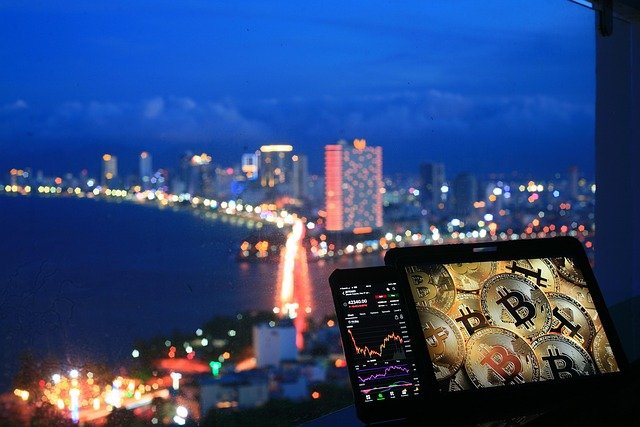
    Trading DF BTC tokens

    Liquidity behavior and market psychology around dfbtc crypto

    Liquidity in dfbtc crypto does not behave like that of more established digital assets. It tends to cluster around short bursts of activity rather than staying evenly distributed throughout the day. I have watched order books thin out within minutes after a sharp move, leaving very little room for clean exits. That kind of structure forces me to think more about exit timing than entry timing.

    There is also a psychological layer that shows up in trader behavior. I have noticed that participants tend to chase momentum aggressively once they see a breakout, even when volume does not support continuation. This creates short-lived spikes that reverse quickly, often trapping late entries. dfbtc crypto amplifies that effect because information spreads unevenly across smaller trading groups.

    One afternoon, I was monitoring a session when the price jumped sharply with no clear catalyst. Within twenty minutes, most of that move had retraced, leaving only early participants in profit. That kind of pattern is not unusual in thin markets, but it is more pronounced here. I treat those moments as reminders that liquidity is not just a number; it is behavior unfolding in real time.

    Over time, I stopped trying to predict direction in the dfbtc crypto and focused more on understanding where liquidity would likely appear next. That shift changed how I approached execution entirely. I still make mistakes, especially during fast-moving sessions, but they tend to be smaller and easier to recover from now.

    Where I see dfbtc crypto fitting in broader market cycles

    In broader cycles, I view dfbtc crypto as a reactive asset rather than a leading one. It tends to follow liquidity trends set by broader market movements rather than setting its own direction. During high-volatility periods, it reacts more violently, creating both opportunities and risks depending on the timing. I have seen it outperform expectations in short bursts, but those moments rarely sustain.

    My long-term approach is to treat it as a tactical instrument rather than a holding asset. I do not build long positions around it, and I avoid exposure during low-confidence market phases. A colleague once compared it to trading weather patterns instead of climate, and that analogy stuck with me. It changes too quickly for long-horizon assumptions to remain reliable.

    There are still moments when dfbtc crypto offers clean setups, especially after consolidation phases when liquidity returns. Those periods are usually brief and require quick decision-making without overthinking. I have learned to respect those windows instead of trying to extend them artificially. The market rarely rewards forcing duration in conditions like these.

    After enough cycles, I stopped viewing it as an outlier and began to see it as a reminder of how fragmented crypto markets can be. The lessons it offers are less about prediction and more about discipline under uncertainty. That is usually where most traders either adapt or step away entirely.


  • Watching how V2Swap crypto fits into real swap routing decisions

    Watching how V2Swap crypto fits into real swap routing decisions

    I work as a freelance crypto liquidity analyst, mostly helping small OTC desks and individual traders route swaps across decentralized platforms. I first came across V2Swap crypto while reviewing execution paths for a client who kept complaining about inconsistent pricing on token swaps. My job is usually less about hype and more about watching how trades actually settle across pools under pressure. That is where V2Swap started showing up in my notes.

    First encounters with V2Swap and why it started appearing

    My first interaction with V2Swap crypto was not planned; it came through a routing comparison sheet I was building for a mid-sized trader group. They were moving between Ethereum-based tokens and trying to avoid slippage spikes during volatile sessions. I noticed V2Swap appearing as a secondary route option in several aggregators I was testing that week.

    At the time, I treated it like any other decentralized swap interface, nothing special, just another path in the liquidity maze. But a customer last spring mentioned they were getting slightly better mid-execution pricing on smaller trades when V2Swap was included in the routing path. That got my attention because small differences often matter more than big marketing claims in real execution environments.

    Most people think these platforms are interchangeable, but I have learned that even minor differences in pool depth and routing logic can change outcomes when markets move fast. V2Swap crypto started standing out not because it was revolutionary, but because it behaved consistently in narrow trading windows. That consistency is what kept me from removing it from my comparison stack.

    How I actually used V2Swap in routing trades

    When I started actively testing V2Swap crypto, I ran it through a set of controlled swaps involving mid-cap tokens with moderate liquidity pressure. I usually simulate trades for amounts equivalent to several thousand dollars to see how execution behaves under realistic, but not extreme, conditions. One week, I compared five routing setups side by side, including V2Swap as both a direct swap option and a fallback route.

    In one of those sessions, I saw slightly tighter slippage on V2Swap during low-volume hours, especially on pairs that were not heavily arbitraged. That does not mean it always wins, because during high-volatility periods, other aggregators still outperform it, depending on pool depth. The pattern I observed was situational advantage rather than universal superiority.

    For traders who want a place to explore execution paths and compare routing behavior directly, I sometimes point them toward the V2Swap trading platform while walking them through how different swaps behave under similar market conditions. I usually sit with them on a shared screen and break down each route decision step by step. It helps them see that swapping crypto is not just about price, but about timing, liquidity fragmentation, and execution noise.

    There was also a case where a small trading group I advised used V2Swap crypto as part of their fallback routing after encountering failed transactions on congested networks. They were not chasing the best possible price; they were focused on execution reliability during unpredictable network spikes. In that scenario, V2Swap became part of a safety layer rather than a primary strategy.

    how V2Swap crypto fits

    Liquidity depth, fees, and what stood out under pressure

    Fees are usually where people misunderstand decentralized swaps, and V2Swap crypto is no exception. I have seen traders focus only on displayed rates while ignoring gas variation and pool depth fragmentation. In practice, the real cost of a trade shows up in execution variance rather than the headline fee percentage.

    During one stress test I ran, I simulated back-to-back swaps during a sudden market dip to observe how liquidity pools adjusted. V2Swap held up reasonably well on smaller trades, but started showing wider spreads as order size increased beyond a certain threshold. That threshold is not fixed; it shifts depending on the token pair and current pool activity.

    What I found useful is that V2Swap crypto tends to behave predictably rather than aggressively optimizing for edge cases. Some platforms chase the best theoretical output but introduce greater execution variability. I prefer systems that are boring but stable when real money is moving.

    There is also a subtle difference in how fees are absorbed across routing layers, and that becomes visible only when you run repeated swaps over time. I tracked a few dozen repetitive transactions for testing purposes and noticed that the variance stabilized after initial fluctuations. That kind of behavior matters more to me than isolated perfect trades.

    Execution risks and what I keep watching now

    My view of V2Swap crypto is shaped less by individual trades and more by repeated behavior across different network conditions. I have seen it perform well in calm markets and slightly less efficiently during sudden liquidity shifts. That is not unusual, but I keep a close eye on it.

    One risk I always watch for is routing dependency, where a platform quietly leans too heavily on a limited set of pools. When that happens, execution starts to degrade without obvious warning signs. With V2Swap, I have not seen extreme dependency issues, but I still test for them periodically.

    Another thing I pay attention to is user behavior patterns. Traders often assume swapping is deterministic, but it is actually probabilistic when multiple liquidity sources are involved. V2Swap crypto falls into that same category, where outcomes depend heavily on timing and external pool conditions rather than on static pricing.

    Over time, I stopped thinking of it as a main trading venue and started treating it as one of several tools in a broader routing strategy. That shift in perspective is important because no single swap platform consistently dominates across all market conditions. The real edge comes from knowing when to use each one.

    I still include V2Swap in my comparisons, especially when reviewing new token pairs or advising traders who are experimenting with decentralized execution. It is not the centerpiece of my workflow, but it has earned a place in the rotation. In this space, staying flexible matters more than staying loyal to any single platform.

  • Working Through Metaxy Official (MXY) From a Liquidity Desk Perspective

    Working Through Metaxy Official (MXY) From a Liquidity Desk Perspective

    I spend most of my time watching newer tokens move through thin order books and uneven demand cycles, and Metaxy Official (MXY) started showing up in that same stream of activity. I first noticed it while tracking mid-tier exchange listings where speculative volume tends to cluster for a few hours before fading. From my seat at a crypto liquidity desk, these early patterns matter more than a project’s marketing.

    First Signals I Noticed Around MXY

    My first real exposure to MXY came through scattered trades that didn’t look coordinated but still formed a recognizable rhythm across small exchanges. I was monitoring a cluster of tokens one evening when MXY started appearing in short bursts of volume, often paired with quick spreads that widened as liquidity thinned. That kind of movement is something I’ve seen in dozens of early-stage assets before attention stabilizes.

    At the desk, I don’t treat every spike as meaningful on its own. One quiet afternoon last spring, I watched MXY print a series of uneven candles that looked like individual traders testing depth rather than a unified push. Markets move fast. That’s something I’ve learned the hard way after years of reacting too quickly to noise.

    What stood out most was how the order flow behaved during low activity windows. Instead of collapsing entirely, the token kept showing small replenishments on both sides of the book, which usually suggests a group of participants is actively managing exposure. It wasn’t strong enough to call it stable, but it also wasn’t purely random.

    I’ve handled similar behavior with other emerging assets where early liquidity feels artificially maintained. Sometimes it’s market makers doing their job, and sometimes it’s just enthusiastic holders trying to support price discovery. With MXY, I still lean toward the middle interpretation because nothing in the data shows clear dominance from one side yet.

    Watching Liquidity and Community Signals

    As I followed Metaxy Official (MXY) more closely, I began combining order-book data with social-sentiment scans to see whether there was alignment between trading activity and community attention. That combination often reveals more than charts alone, especially in early tokens where narratives form faster than fundamentals. One pattern I’ve seen repeatedly is short bursts of attention followed by quiet accumulation phases.

    During one session, I cross-checked MXY activity with discussions happening on smaller crypto forums and noticed a familiar split between optimistic holders and cautious traders. The optimistic group usually focuses on roadmap ideas, while the cautious side keeps asking about liquidity depth and unlock schedules. Metaxy official (mxy) crypto was one of the resources I checked during that period to see how market participants were framing the token’s visibility across exchanges and trackers. It helped me confirm that interest wasn’t centralized in a single channel, which often matters more than raw volume spikes. From experience, distributed attention tends to last slightly longer than hype concentrated attention in one place.

    I remember a trading week where MXY volume picked up during Asian hours and faded sharply during European overlap, which is unusual if the interest base is truly global. That kind of regional imbalance usually signals that participation is still developing rather than fully established. I’ve seen it before in several early listings that either expanded later or slowly lost traction after initial curiosity faded.

    There was also a moment when spread tightening happened without a clear catalyst, something I’ve learned not to ignore. In my experience, that often means liquidity providers are adjusting positions quietly rather than reacting to news. It doesn’t guarantee anything about direction, but it does suggest active management behind the scenes.

    Metaxy Official (MXY)

    Risk Patterns I Track With Tokens Like MXY

    Whenever I evaluate a token like MXY, I focus less on narrative and more on how price behaves when attention drops. That’s usually where the real structure shows itself. If liquidity holds during low-volume periods, there’s at least some underlying participation worth watching further.

    One of the clearest risks I’ve seen in similar assets is dependency on short-lived exchange exposure. If volume is concentrated on a single listing window, it tends to fade quickly once initial arbitrage opportunities disappear. I’ve watched several tokens go through exactly that cycle, where excitement lasts a few days and then quietly dissolves into thin trading.

    Another thing I pay attention to is how quickly spreads react when a larger order hits the book. With MXY, I’ve seen moments when a relatively modest sell order creates a noticeable gap, which suggests depth is still developing. That kind of behavior isn’t unusual, but it does limit my confidence in short-term stability.

    I’ve also learned to watch holder behavior rather than just price charts. In one case, a few months back, a token with a similar structure to MXY held price surprisingly well for a week, only to break sharply when early holders began rotating out simultaneously. That experience reinforced how fragile early-stage balance can be when distribution is uneven.

    How I Frame MXY in a Broader Trading Context

    When I place Metaxy Official (MXY) in my broader workflow, I don’t treat it as an isolated opportunity but as part of a rotating set of speculative assets that require constant recalibration. I compare it against other mid-liquidity tokens I track daily to see whether its behavior is improving or degrading over time. That comparison often tells me more than any single chart setup.

    There are moments when MXY shows tighter coordination between volume spikes and liquidity support, and those moments are worth noting even if they don’t last long. I’ve seen similar early patterns evolve into more structured markets, but I’ve also seen them fade once attention shifts elsewhere. The difference usually comes down to whether participation broadens beyond early participants.

    My approach stays cautious because I’ve learned that early tokens can change character quickly without warning. A few thousand dollars moving in or out of thin liquidity can reshape short-term sentiment in ways that look meaningful but aren’t necessarily sustainable. I keep position sizes small and focus more on behavior than prediction.

    Even after tracking many similar assets, I still find tokens like MXY useful as real-time examples of how speculative ecosystems form and unwind. They show how liquidity, attention, and timing interact in ways that are hard to replicate in more mature markets. That observation alone is often more valuable than trying to forecast direction.

    I don’t treat MXY as something to rush into or dismiss outright. It sits in that middle space where activity is real enough to study but not stable enough to anchor a strong conviction. That’s usually where the most honest lessons in this market tend to show up.

  • Watching newb.farm (NEWB) Through the Lens of Small Farm Token Cycles

    Watching newb.farm (NEWB) Through the Lens of Small Farm Token Cycles

    I have been trading early-stage DeFi farming tokens long enough to recognize the pattern before most charts catch up. newb. Farm (NEWB) is one of those projects I started tracking not because of hype, but because liquidity behavior shifted so quickly across its pools. I am not approaching it as a believer or critic, just someone who has seen similar setups repeat across different chains. The first time I looked at it, I was sitting through a slow weekend session, scanning new listings and noticing how aggressively attention was rotating back into farming dashboards.

    How I first noticed newb.farm activity

    I came across a newbie. farm during a routine scan of new yield platforms, where early liquidity tends to move before social attention catches up. At that point, there were only a handful of active pools, but what stood out was how quickly participation changed across time blocks, almost as if users were testing entry and exit points rather than committing long-term capital. I remember thinking it looked like one of those environments where early entrants shape the narrative more than the protocol itself does.

    Over the years, I have seen similar behavior in farming ecosystems where incentives attract short-term rotation rather than stable liquidity. One example from a previous cycle involved a token that doubled participation within a few days, only to lose most of it just as quickly once rewards slowed. That kind of movement often signals that the underlying interest is still experimental rather than conviction-driven. It is not necessarily a negative sign, but it does mean I adjust my expectations early.

    While tracking NEWB, I also compared it with other platforms I had bookmarked, including one I usually revisit for new farm listings and token analytics like newb.farm, which helped me cross-check pool activity and reward changes against similar projects I had monitored before. The comparison did not give me a final verdict, but it did help me understand how quickly attention was clustering around certain pools. I noticed that most engagement spikes occurred within narrow time windows rather than being sustained across days.

    Watching liquidity moves and the NEWB token cycle

    When I started mapping liquidity flow in NEWB-related pools, I focused less on price direction and more on how capital rotated between staking options. In farming systems like this, the real signal is often in the deposit and withdrawal rhythm rather than the chart itself. I have seen situations where price stays stable while liquidity quietly exits, and that usually tells me more than any single candlestick pattern.

    In one session I tracked, I saw what appeared to be coordinated entry patterns across multiple small wallets within a short timeframe. It reminded me of earlier DeFi farms where early participants would move in clusters, sometimes driven by reward cycles and sometimes by speculation around upcoming emissions. These are not always easy to separate in real time, especially when data refreshes lag behind actual on-chain behavior.

    I usually keep a rotating list of dashboards and tools open while analyzing these movements, and I treat them more like field notes than final answers. The behavior around NEWB did not feel isolated; it felt like part of a broader wave of renewed interest in yield farming experiments that come and go with market sentiment shifts. What I pay attention to is how long liquidity stays after the initial burst, because that often tells me whether participants are farming or just passing through.

    In a few cases, I have seen tokens like this stabilize only after reward structures mature and early volatility cools off. Until that happens, I treat most activity as exploratory. That approach has saved me from misreading short-term spikes as meaningful adoption more than once.

    Watching newb.farm (NEWB)

    Risk patterns I keep seeing in farm tokens.

    One thing I have learned from multiple cycles is that farming tokens tend to behave differently from standard utility or governance assets. The entry curve is often steep, and participants are usually responding to incentives rather than adopting the protocol long term. That creates a predictable pattern where early volume looks strong but can fade quickly once the reward intensity changes or spreads thin across pools.

    I remember a previous cycle where I tracked a similar farm token that attracted several thousand dollars in liquidity within a very short window, only to see most of it leave after emission rates adjusted. That experience changed how I interpret early inflows, because I stopped assuming that liquidity equals commitment. In reality, a large portion of it is temporarily parked capital seeking yield efficiency.

    With NEWB, I observed similar sensitivity to reward updates and pool adjustments, which I always flag when evaluating sustainability. If participation drops sharply after small parameter changes, it usually indicates that the ecosystem remains dependent on incentives rather than on organic usage. That is not unusual in early-stage DeFi, but it does shape how I size exposure and how long I stay engaged in monitoring it.

    There is also the behavioral side, where traders tend to mirror each other’s timing without necessarily coordinating. I have seen that create artificial momentum that looks stronger on charts than it feels in actual wallet activity. When that happens, I rely more on flow consistency than price movement alone.

    Where I think attention shifts next

    After watching multiple farming cycles unfold, I tend to think attention eventually shifts away from pure yield chasing toward hybrid systems that blend utility with incentives. In that context, projects like newb.farm sit in an interesting transitional zone where early experimentation can either evolve into something more structured or fade into background liquidity pools that only active farmers revisit.

    I have seen projects survive this phase by gradually reducing their reliance on aggressive emissions while introducing mechanisms that encourage longer holding periods. That shift is usually gradual and not always visible in early metrics. The challenge is that most participants do not wait long enough to see whether that transition happens, which is why early volatility often dominates perception.

    My current stance on NEWB is neutral observational. I keep it on a watch rotation rather than a conviction list, mainly because I want to see whether liquidity stabilizes across multiple cycles instead of reacting to single bursts. The next meaningful signal, from my perspective, will not be price movement but consistency in participation patterns over time.

    I have learned to respect these systems for what they are in their earliest stages: experiments in incentive design under real market pressure. Sometimes they evolve, sometimes they reset, and sometimes they disappear quietly once attention moves elsewhere. With newb. farm, I am still waiting to see which direction it settles into.

  • Mad Metaverse Crypto Experiments From a VR Setup Technician

    Mad Metaverse Crypto Experiments From a VR Setup Technician

    I work as a VR arcade installation technician and crypto payment integration consultant, mostly setting up experimental metaverse booths in shopping malls and private demo spaces. Over the last few years, I have watched the “mad metaverse crypto” idea shift from something abstract into small but very real installations people can actually step into. My job is usually part hardware, part software, and part convincing business owners that digital assets and virtual spaces are not just hype words.

    What “Mad Metaverse Crypto” looks like in practice

    Most people imagine the metaverse as a fully open digital world, but what I see in the field is much more fragmented. A typical setup I handle includes VR headsets, motion tracking sensors, and a crypto wallet system tied to user accounts. One customer last spring asked for a “fully mad experience,” which basically meant combining gaming, NFT rewards, and crypto payments in a single booth.

    In reality, the “mad” part comes from the fact that many systems are stitched together without a unified standard. I have worked on setups where users earn tokens for completing VR missions, then try to spend those tokens in a different virtual environment that barely supports the same chain. The confusion is not theoretical; I have watched users stand in front of a digital storefront trying to figure out why their balance does not sync across platforms.

    There is also a strange gap between expectation and execution. People expect seamless virtual economies, but I often find myself troubleshooting wallet connections more than improving gameplay. The crypto side is usually the most fragile layer, especially when network fees spike or a platform silently changes its smart contract rules.

    Building and testing environments

    When I build a new installation, I start with the physical space first, then layer the metaverse environment on top. That means configuring hardware calibration before even touching blockchain integrations. For businesses that want to explore this space more seriously, I often point them toward the metaverse crypto research hub, which helps them understand how virtual economies and token systems are structured before they invest in full deployment. I usually spend several days just testing latency between VR inputs and blockchain confirmation times because even a small delay can break immersion.

    One project involved a small entertainment venue that wanted visitors to “mine” tokens by completing physical movement challenges inside VR. The idea sounded simple on paper, but syncing real-world motion data with crypto rewards required multiple layers of middleware. I ended up rewriting parts of the reward logic because the original system was rewarding duplicate transactions under heavy load.

    Testing is where the cracks show most clearly. I once ran a simulation with 20 concurrent users, and half of them experienced delayed token updates, which made the entire reward system feel unreliable. That kind of failure is not dramatic, but it quietly kills user trust faster than any visual glitch ever could.

    Mad Metaverse Crypto

    Where the hype breaks down for real users

    The biggest issue I see is cognitive overload. Users are asked to manage wallets, understand gas fees, navigate virtual spaces, and sometimes even trade assets while still learning basic VR controls. That combination is too much for most casual users, even if they are curious about the technology.

    Another problem is consistency. One platform might reward users with tokens that have real-world exchange value, while another might use closed-loop points that cannot be traded elsewhere. I have had conversations with users who thought they were earning “real crypto,” only to realize later that it was a closed, internal currency with no liquidity outside the platform.

    There is also a trust gap that never fully closes. Even when systems work correctly, users often remain unsure whether their assets are safe or transferable. I have seen people abandon sessions mid-experience simply because they were uncomfortable connecting a wallet to an unfamiliar virtual environment.

    Performance issues add another layer of frustration. If a VR experience stutters while also waiting for blockchain confirmations, users tend to assume the entire system is broken. In practice, it is usually just network congestion or poorly optimized smart contract calls, but the perception of failure is what sticks.

    What I learned from clients building in this space

    After working on multiple installations, I have learned that most clients underestimate the infrastructure needed behind the scenes. They focus heavily on visuals and branding, but the real workload lies in synchronizing virtual environments and decentralized systems. Even small timing mismatches can create user confusion that feels bigger than it actually is.

    I have also noticed that successful projects tend to simplify rather than complicate. The ones that work best limit crypto interactions to a single function, such as rewards or entry passes, rather than trying to build full economies from day one. Simplicity makes debugging easier and keeps user behavior predictable.

    There is a recurring pattern in which early excitement fades once maintenance costs emerge. One venue I worked with initially planned to expand into multiple metaverse zones, but scaled back after realizing how much time was spent just keeping the payment system stable. That shift from expansion to stabilization is something I now warn new clients about early.

    Despite all the friction, I still see potential in the space when it is approached carefully. The combination of immersive environments and programmable value systems can be powerful when not overloaded with unnecessary mechanics. I usually tell clients that the technology is not the limiting factor; the design discipline is.

    At the end of most projects, I am left with a mixed impression. The systems can be impressive when everything aligns, but they require constant tuning and realistic expectations. The idea of a fully “mad metaverse crypto” world is still more experimental than functional in everyday use, at least from what I have seen on the ground.

  • Working Through YieldBay Finance in My DeFi Yield Experiments

    Working Through YieldBay Finance in My DeFi Yield Experiments

    I work as a DeFi liquidity strategist in Lahore, and most of my days are spent testing yield platforms with small, controlled allocations before I ever trust them with larger capital. YieldBay Finance crypto came onto my radar through discussions with a few traders who were rotating funds across newer yield aggregators. I approached it the same way I approach any unfamiliar protocol: by watching how it behaves with real, but limited, exposure, rather than trusting marketing claims. My focus has always been simple, steady yield behavior rather than hype cycles.

    How I first came across YieldBay-style yield platforms

    The first time I heard about YieldBay Finance crypto was during a late evening call with a small group of DeFi users who were comparing different auto-compounding strategies. One of them mentioned that they were seeing smoother yield distribution compared to some older farms that used to swing heavily from week to week. I had seen similar claims before, so I didn’t react strongly at first and instead started tracking it quietly in my notes.

    To get a clearer picture, I usually test platforms in small increments, sometimes with just a few thousand dollars split across different strategies. I remember a customer last spring who rushed into a similar yield protocol and ended up locked into an unfavorable withdrawal schedule because they skipped the mechanics. That experience shaped how I now approach anything labeled as automated yield.

    During my initial exploration, I also compared YieldBay-type models with other aggregators I had previously worked with, especially ones that rely heavily on external liquidity pools. For anyone researching similar systems, I sometimes use YieldBay Finance Crypto’s tools and dashboards as a starting point to understand how different vault structures behave under changing market conditions. That step alone is not enough to judge safety, but it helps me map out how the system routes returns before I commit deeper capital. I found that visualizing flow mechanics early helps me avoid misreading short-term yield spikes later.

    Testing YieldBay Finance in real allocations

    When I finally allocated a small amount to YieldBay Finance crypto, I treated it as a controlled experiment rather than an investment decision. I divided the amount into multiple entry points over several days to observe how the compounding logic reacted under slightly different market conditions. This approach has saved me from several mistakes in the past where I assumed a single snapshot represented the full system behavior.

    I also carefully tracked withdrawal timing because that is where most yield platforms reveal their true structure. A few systems I tested earlier had hidden friction in exit conditions that only became obvious when liquidity tightened. In YieldBay-style setups, I always look for consistency between the displayed yield and the actual realized returns across multiple cycles.

    One pattern I noticed was how user behavior influenced returns indirectly, especially when too many participants entered during the same yield spike. That kind of clustering often distorts expectations, and I have seen it happen repeatedly across different protocols. It reminded me of a group I advised that, early on, ignored scaling risks, and later had to rebalance everything after returns normalized.

    YieldBay Finance in My DeFi Yield Experiments

    Risks I personally watch before committing funds

    The first risk I always evaluate is contract dependency, especially when a protocol relies on layered integrations with other DeFi platforms. YieldBay Finance crypto, like many similar systems, does not exist in isolation, meaning a single weak link in its structure can affect the entire yield flow. I never assume stability just because the front-end looks clean or the dashboard feels predictable.

    Another area I focus on is liquidity depth under stress. If too many users attempt to exit at once, the system’s behavior can change quickly, even if it appears stable during normal cycles. I have seen cases where a few thousand dollars exiting at the wrong time caused noticeable delays, enough to shift confidence among smaller investors.

    I also look at how incentives are structured for long-term participants versus short-term yield chasers. In my experience, platforms that overly reward early entry often struggle to sustain themselves once the initial wave slows. This is not unique to YieldBay Finance crypto, but I consistently check it before increasing exposure.

    How I think about yield consistency and withdrawals

    My approach to yield consistency is not based on chasing the highest reported percentage but on observing how stable the returns remain across different market conditions. I have worked with enough DeFi systems to know that high-yield numbers often compress quickly once participation increases. Stability matters more than spikes, even if that sounds less exciting at first glance.

    Withdrawals are another layer I never ignore. I usually test partial exits first, sometimes after just a few cycles, to see how the system handles liquidity reduction. In one instance, under a different protocol, everything looked fine until mid-level withdrawals caused unexpected delays that were not visible during small-scale testing.

    With YieldBay Finance crypto, I pay close attention to how quickly funds become accessible after each cycle completes. A delay of even a few hours can indicate deeper liquidity-routing issues, depending on market conditions. These small observations help me decide whether to scale exposure or keep it strictly experimental.

    Over time, I have learned that yield systems are less about the advertised percentage and more about repeatable behavior under pressure. When I see consistent execution across different market phases, I gain confidence slowly rather than instantly. That cautious pace has helped me avoid several common pitfalls that newer participants tend to overlook when chasing early returns.

  • Riding Out the Crypto Bear Market From a Trading Desk

    Riding Out the Crypto Bear Market From a Trading Desk

    I’ve spent years sitting behind a crypto trading desk, watching screens go green and then bleed red in cycles that repeat more than most newcomers expect. The first time I went through a full crypto bear market, I thought I understood risk, but the market had a way of exposing gaps in my assumptions. Now, after multiple downturns, I approach each bear phase with a very different mindset and a more defensive playbook.

    What a Bear Market Feels Like From Inside the Order Book

    When crypto prices start sliding, it rarely feels like a clean break. It starts with hesitation, then liquidity thins, and suddenly even decent projects struggle to hold support levels. I remember a stretch where daily volume across smaller altcoins dropped so sharply that even modest sell orders would push prices down several percentage points.

    In one cycle, I managed positions for clients who were still holding assets they bought during hype phases. The mood shifted quickly, and I saw portfolios that looked strong on paper shrink by several thousand dollars within weeks. That period taught me that conviction alone doesn’t protect capital when liquidity disappears.

    During one particularly rough month, I used a crypto market tools platform to track order book depth and volatility shifts across exchanges. avily while adjusting exposure for a small group of traders who were trying to avoid panic selling. Even with data in front of me, the emotional pressure in a bear market is hard to ignore because every bounce feels temporary.

    The biggest challenge I notice is not just price decline but the slow erosion of confidence. People start questioning every decision, even the good ones, and that hesitation often leads to missed opportunities when the market eventually stabilizes. I’ve seen more damage done by emotional exits than by the actual downturn itself.

    Survival Strategies I Actually Use When the Market Turns

    My approach to a crypto bear market is shaped by repetition and a few expensive lessons. I don’t try to predict the bottom anymore because that usually leads to overexposure at the wrong time. Instead, I focus on reducing portfolio complexity and maintaining liquidity for unexpected moves.

    One habit I developed is cutting down the number of active positions. In a calmer market, I might track ten to fifteen assets, but during extended downturns, I narrow that down to a few high-conviction holdings. This makes it easier to respond quickly without getting overwhelmed by noise.

    I also pay closer attention to exchange behavior during these periods. Withdrawals, spreads, and funding rates often tell a clearer story than price charts alone. I’ve watched situations where the chart looked stable, but funding rates were signaling growing short interest that eventually pushed prices lower.

    Risk management becomes less about profit and more about staying in the game. I’ve had months when my goal was simply to preserve capital rather than grow it, and that shift in mindset helped me avoid unnecessary trades that often stem from boredom or frustration. Sitting still is harder than it sounds when everything is moving.

    Another adjustment I make is to rotate into stable assets more aggressively than I would in a bullish phase. This is not about abandoning the market but about giving myself room to act when opportunities appear without needing to sell under pressure. Liquidity is a form of flexibility, and in a bear market, flexibility matters more than aggressive positioning.

    Crypto Bear Market

    How Sentiment and Projects Change Under Pressure

    Bear markets don’t just affect prices; they change how people talk about crypto entirely. Projects that were once considered revolutionary begin to focus on survival, and development timelines slow down in noticeable ways. I’ve watched teams shift from aggressive expansion plans to simple maintenance updates just to stay active.

    Community sentiment also becomes more skeptical. In earlier cycles, I saw social channels filled with excitement over roadmap announcements, but during downturns, those same updates are met with doubt or silence. That shift affects liquidity because retail participation tends to shrink when enthusiasm fades.

    There’s also a natural filtering effect. Projects without real use or funding often disappear quietly, while stronger ones continue to build even under pressure. I’ve observed that the survivors of one bear market often become the leaders in the next cycle, though not always in the way people originally expected.

    Personally, I tend to focus less on short-term narratives during these phases. Instead, I look at whether a project is still shipping updates, maintaining developer activity, and holding liquidity across multiple venues. Those signals don’t guarantee success, but they help separate temporary hype from longer-term structure.

    Emotional Discipline When Everything Slows Down

    The hardest part of a crypto bear market isn’t technical analysis or portfolio adjustments. It is the psychological pressure that builds when nothing seems to work for an extended period. I’ve gone through stretches where every trade felt like a step in the wrong direction, even when following a plan.

    There were weeks when I checked charts far too often, hoping for reversal signs that never arrived. That habit only increased stress and led to impulsive decisions that I later had to unwind at a loss. Eventually, I learned to limit my engagement with price action during low-volume periods. Social media becomes full of extreme opinions during downturns, with some calling for a complete collapse and others insisting on an immediate recovery. I’ve found that both extremes tend to distort decision-making if you let them influence your timing too much.

    Over time, I built a routine that separates observation from reaction. I review positions at set intervals instead of reacting to every candle. This small structural change reduced unnecessary trades and helped me stay aligned with my longer-term positioning rather than succumb to short-term emotional swings.

    What I’ve learned is that surviving a bear market is less about finding perfect entries and more about maintaining consistency when conditions are uncomfortable. Many traders don’t fail because of a bad strategy alone, but because they abandon their strategy halfway through the cycle.

    Even now, when I see early signs of a downturn forming, I adjust slowly rather than abruptly. That measured response comes from experience, not theory, and it has saved me from more than one unnecessary drawdown. Markets eventually shift again, but the challenge is staying intact long enough to see that shift happen.

  • Inside Adam Bomb Squad Crypto Trading Circles

    Inside Adam Bomb Squad Crypto Trading Circles

    I work as a crypto OTC trader and community moderator, mostly dealing with meme-driven groups that form and dissolve faster than most people can track. Over the last couple of years, I’ve watched dozens of trading circles come and go, but Adam Bomb Squad Crypto was one of the more unusual ones I came across. I first noticed it in small Telegram discussions where traders were aggressively sharing charts, hype posts, and short-term entry signals for low-cap tokens.

    How I first came across Adam Bomb Squad Crypto

    The first time I saw Adam Bomb Squad Crypto mentioned was during a late-night monitoring session of community chats I usually keep an eye on for sentiment shifts. I remember a customer last spring asking me if I had heard about a group that was “moving coins fast with coordinated entries.” That was my first real clue that something structured was forming under that name.

    From what I observed, the group didn’t present itself like a traditional investment community. It felt more like a fast-moving coordination hub where traders shared momentum plays without long explanations. I’ve seen similar setups before, but this one had a stronger focus on identity and branding, which set it apart in a crowded field of anonymous crypto groups.

    The tone inside those early discussions was confident, sometimes even overly certain, which is common in speculative environments. Still, I could tell that not all participants were beginners. Some had experience reading liquidity shifts and reacting quickly to sudden market spikes. It was not organized like a formal fund or advisory service; it was just a loosely structured collective built around fast execution.

    What the group actually does in practice

    In practice, Adam Bomb Squad Crypto operates more like a rapid signal-sharing circle than a structured financial advice service. I once helped a trader compare setups as they tried to understand whether the group’s calls were consistent or just random bursts of hype. During that time, I also pointed them toward a crypto research hub I use to track sentiment and liquidity data across smaller markets, because raw chat signals alone are never enough to make informed decisions. What stood out most was how quickly ideas moved from suggestion to execution inside the group. There was almost no waiting period between analysis and action.

    I noticed that the group often relied on momentum narratives rather than deep technical breakdowns. A token would start trending, and within minutes, multiple members would amplify the same idea across different channels. This created a feedback loop where attention itself became part of the trading strategy. I’ve seen this pattern before in smaller meme communities, but here it felt more synchronized than usual.

    Not every participant treated it the same way. Some clearly treated it as entertainment, while others sought to profit consistently from short bursts of volatility. I remember one trader telling me they had seen both gains and losses in the same week by simply following group momentum, without any personal filters. That kind of mixed outcome is common in environments that rely heavily on speed and sentiment.

    Adam Bomb Squad Crypto Trading Circles

    Trading behavior and risk patterns I observed

    The most consistent behavior I saw in Adam Bomb Squad Crypto was a focus on speed over structure. Trades were often entered within minutes of a signal being shared, leaving very little room for independent validation. I’ve watched this pattern play out enough times to know that it tends to amplify both wins and losses in equal measure.

    One thing that stood out was how quickly members adjusted their bias. A token could be hyped in the morning and quietly abandoned by evening if momentum shifted elsewhere. That kind of flexibility can be useful in volatile markets, but it also creates instability in decision-making. I’ve had several conversations with traders who admitted they were reacting more to group sentiment than their own analysis.

    There was also a noticeable emphasis on low-cap assets with limited liquidity. These assets can move sharply with relatively small volume changes, which makes them attractive for short-term speculation. I’ve seen situations where a single coordinated entry pushed a token up significantly before it retraced just as quickly, leaving late participants exposed. It was never framed as a guaranteed opportunity, but the tone sometimes made the risk feel smaller than it actually was.

    Risk management discussions existed, but they were often secondary to opportunity spotting. In one instance, I watched a group thread where profit targets were discussed in detail, while downside protection was mentioned only briefly. That imbalance is something I’ve seen before in similar trading communities where excitement drives conversation more than caution does.

    My perspective after watching it evolve

    After observing Adam Bomb Squad Crypto activity, I began treating it as a sentiment indicator rather than a trading system. It gave insight into how fast narratives can form and dissolve in the crypto space, especially around smaller assets. I’ve learned that groups like this can be useful for awareness, but not reliable enough to follow blindly.

    Over time, I became more selective about how I interpreted the signals it sent. The same message that looks like an opportunity to one trader can look like late-stage momentum to another. That difference often determines whether someone enters early or reacts too late.

    I’ve also noticed that many participants eventually develop their own filtering methods after enough exposure. Some stop following group signals altogether and start using them only as context. Others remain active but add strict personal rules to avoid emotional decision-making. Both approaches seem more sustainable than relying entirely on collective momentum.

    The broader lesson I keep seeing is that communities like this reflect market behavior more than they shape it. They accelerate trends that are already forming rather than creating them from nothing. That distinction matters more than most people realize when they first encounter a fast-moving crypto group.

    In the end, Adam Bomb Squad Crypto represents a familiar pattern in speculative markets where speed, attention, and coordination intersect. I still monitor spaces like it, but I treat every signal as incomplete until I’ve seen how it behaves outside the group environment.

  • Sharik Token (SHARIK) and the Reality Behind Small-Cap Crypto Projects

    Sharik Token (SHARIK) and the Reality Behind Small-Cap Crypto Projects

    I have spent the last few years analyzing low-cap crypto tokens while working with a small OTC trading desk that handled retail and private clients across South Asia and the Gulf. Most days, I am not looking at Bitcoin or Ethereum, but at smaller names like Sharik Token (SHARIK) that suddenly appear in chats, Telegram groups, and new listings.

    These tokens often come with big claims, thin liquidity, and a lot of confusion around what they actually do. SHARIK is one of those projects that forces you to slow down and separate hype from structure.

    First Impressions from Trading Small Tokens

    When I first came across Sharik Token (SHARIK), it was mentioned in a group where traders usually chase early-stage coins before they hit major exchanges. I remember checking its chart and noticing how quickly price movement can happen when volume is extremely low. That kind of behavior is common in micro-cap tokens, especially when a handful of wallets control most of the supply. I have seen similar setups dozens of times, and they usually move on sentiment more than fundamentals.

    In my day-to-day work, I often compare tokens like SHARIK to earlier projects that never matured beyond community speculation. Some of them had interesting branding but lacked a clear adoption path. In one case last year, a trader I worked with invested several thousand dollars in a token that appeared active for two weeks before disappearing from most trackers. That experience shaped how I now approach anything in this category. I always start by asking who is actually building and who is just talking.

    Before entering deeper analysis, I sometimes cross-reference listings and liquidity behavior using tools and exchanges that track early-stage assets. A common step in my process is checking third-party platforms to verify volume patterns and wallet concentration. For example, I once used a crypto research resource while reviewing a similar token structure, which helped me understand how thin the actual market was behind the marketing. These small checks often reveal more than the project’s own website.

    Understanding What SHARIK Claims to Be

    Sharik Token (SHARIK) appears to position itself as a community-driven crypto asset, but like many emerging tokens, the messaging can shift depending on where you read it. I have seen versions of its description that focus on ecosystem growth, while others emphasize a utility that is not yet clearly defined. In my experience, that inconsistency is common among early-stage tokens still trying to find a narrative that sticks.

    The challenge I often face when evaluating tokens like SHARIK is separating intent from execution. A project might say it aims to build a decentralized ecosystem, but without active development updates or verifiable partnerships, it remains a concept more than a product. I have reviewed tokens that promised staking, NFTs, and governance features, but months later, those features were still not functional or had been quietly removed from documentation.

    SHARIK also falls into a category where community engagement plays a significant role in price action. I have watched tokens rise purely because social media activity spiked for a short period, not because of any technical progress. This is not unique to SHARIK; it is a pattern across many small-cap coins where attention becomes the main driver. The moment attention fades, liquidity tends to dry up quickly.

    Market Behavior and Liquidity Risks

    One of the first things I look at with Sharik Token (SHARIK) is liquidity depth. In my trading experience, low liquidity is often more important than the price itself. A token can look stable on a chart, but if only a small amount of capital is supporting it, even modest selling pressure can cause large swings. I have seen prices drop sharply within minutes simply because a few holders decided to exit at the same time.

    Last year, I monitored a similar token during a weekend session. A single wallet movement triggered a noticeable price shift, prompting panic selling among smaller holders. The total loss for retail traders in that short window was likely several thousand dollars collectively. SHARIK, like many of its peers, operates in an environment where order books are thin, and reactions are exaggerated.

    Another point I pay attention to is exchange distribution. If a token is mostly traded on decentralized exchanges with minimal oversight, price discovery becomes unreliable. It is not necessarily a red flag by itself, but it does increase the need for caution. I have learned to treat these markets as speculative arenas rather than structured investment environments.

    Sharik Token

    Community Sentiment and Real Engagement

    With SHARIK, I also spend time reading community discussions rather than just charts. In my work, I have noticed that sentiment often moves faster than development updates. A strong Telegram group or social media push can create temporary momentum that feels like growth, even when nothing fundamental has changed. I have seen this cycle repeat across multiple tokens over the years.

    In one instance, a project I tracked had thousands of followers within weeks, but most engagement came from repetitive promotional posts rather than meaningful discussion. When I compared that to SHARIK-style communities, the pattern felt familiar. Genuine engagement usually includes technical questions, roadmap discussions, and developer interaction. Without that, momentum tends to rely heavily on speculation.

    Still, I do not dismiss community entirely. I have also seen projects evolve from small, noisy beginnings into structured ecosystems when the team stays consistent. The difference usually comes down to whether communication is matched by actual delivery over time. That is the part I watch most closely when evaluating tokens like SHARIK.

    Where I Place SHARIK in My Risk Framework

    When I position SHARIK in my internal framework, I treat it as a high-risk, early-stage speculative asset. That classification is not based on emotion, but on patterns I have repeatedly observed. Tokens in this category can move quickly in both directions, and timing often matters more than conviction. I have had trades where I exited early and avoided losses, and others where waiting too long erased gains completely.

    I usually advise caution when exposure exceeds a small portion of a portfolio. In my experience, even experienced traders underestimate how fast liquidity can disappear in micro-cap environments. SHARIK is no exception to that rule. The structure of these tokens rewards awareness more than long-term holding strategies unless there is clear and sustained development progress.

    At the same time, I understand why traders are drawn to projects like this. The upside potential feels immediate, and early entry can be tempting. I have felt that pull myself during volatile sessions. The key difference lies in whether decisions are based on verified activity or on momentum signals that can vanish overnight.

    In my day-to-day analysis work, I continue to monitor tokens like SHARIK because they often reflect broader behavior in the retail crypto market. They move quickly, react emotionally, and remind me that not every chart tells the full story without context.

  • Crypto Rally Surges and the Pressure Behind the Charts

    Crypto Rally Surges and the Pressure Behind the Charts

    I trade crypto markets from a small prop desk setup where screens run almost all day, and I’ve lived through enough sudden price spikes to know that a crypto rally rarely feels as clean in real time as it looks on a chart afterward. Most of my work revolves around watching liquidity shifts, order book gaps, and sentiment changes that happen faster than most people expect. When a rally starts forming, it usually begins with hesitation, not excitement. I learned that the hard way during my early months trading altcoins with uneven liquidity.

    The first signs I watch before momentum builds

    The earliest stage of a crypto rally rarely announces itself clearly, and I usually notice it through small inconsistencies in volume behavior rather than price movement alone. One morning last year, I saw a mid-cap token hold support despite repeated sell pressure that normally would have pushed it lower, and that kind of resilience often tells me something is shifting underneath. It was not dramatic; it was just persistent absorption from buyers who did not react to short-term dips.

    In my experience, rallies begin when short sellers get crowded in one direction, and liquidity thins out on the ask side. I often mark zones where stop orders are likely stacked, and those areas tend to act like magnets once momentum picks up. During one session in a quiet trading week, I saw three tokens move in sync without any obvious news catalyst, which usually signals coordinated positioning or sector rotation rather than random volatility.

    I’ve learned to respect the slow build-up more than the explosive candles. Sudden spikes are easier to notice, but they often come after the real opportunity has already begun to form. I remember a customer last spring who asked why I wasn’t chasing a sharp move upward, and I told him I was watching whether that move could survive a simple pullback test. It didn’t, and the price faded within hours.

    How liquidity and tools shape my rally entries

    In my daily workflow, I rely on a mix of exchange data and chart analysis tools to determine whether a move has sufficient depth to sustain a rally. One of the platforms I check frequently is the market analytics dashboard, which I mainly use to track real-time order flow imbalance and spot unusual wallet activity patterns that don’t appear on standard charts. The data alone doesn’t tell the full story, but it helps me decide whether to stay patient or prepare for a breakout attempt. I usually cross-check that information with spot and derivatives funding rates before taking any position. It keeps me grounded when the market gets noisy.

    There was a period when I ignored funding rate spikes and paid for it with unnecessary drawdowns. Now I treat them as early warnings rather than confirmation signals. When funding turns sharply positive while price is still consolidating, I become cautious because that often precedes forced liquidations if momentum fails. On the other hand, neutral funding during upward pressure tends to feel healthier in the short term.

    One of my rules is simple: if liquidity is shallow and price is moving fast, I reduce exposure rather than increase it. That approach has saved me from more than a few false breakouts. I’ve seen situations where the market looks strong for hours, only to reverse in a single wave once larger players exit. That kind of reversal usually happens without warning and leaves retail traders holding the loss.

    Crypto Rally Surges

    What actually drives a crypto rally from inside the market

    From my perspective, sitting in front of trading terminals every day, a crypto rally is rarely just about hype or news. It’s usually a combination of positioning, liquidity pressure, and shifting expectations among traders, all reacting to one another. I’ve seen strong rallies start in completely quiet conditions simply because too many participants were leaning the same way on the wrong side of the trade.

    Sometimes macro conditions add fuel, but they are not always the trigger. I remember one phase when broader markets were stable, yet crypto began climbing steadily as leveraged shorts were squeezed across multiple exchanges. That kind of movement feels less like buying pressure and more like forced exit behavior. It builds quickly once the first cascade begins.

    Sentiment also plays a role, but not in the way most people assume. In my trading room, I often notice that sentiment indicators lag behind actual positioning changes. By the time social media starts talking about a rally, I usually see signs of exhaustion rather than continuation. It’s a timing mismatch that repeats more often than it should.

    One thing I’ve consistently observed is that rallies tend to accelerate when traders stop agreeing on direction but still keep adding leverage. That tension creates unstable conditions that eventually resolve in one direction or another. The outcome depends less on prediction and more on who gets forced out first. It is a harsh mechanic, but it defines most of the strong moves I’ve seen over the years.

    I don’t try to predict every move anymore. Instead, I focus on whether the market structure supports continuation or rejection. Some days, I sit out entirely because nothing lines up properly, even if prices are moving. That discipline came after a few unnecessary losses during fast-moving cycles where impatience cost me more than bad analysis.

    Crypto rallies can feel like an opportunity from the outside, but inside the market, they often feel like pressure building unevenly across different participants. I’ve learned to treat that pressure as information rather than noise. It tells me when the market is ready to expand and when it is likely to snap back into balance.

    What keeps me engaged in this space is not just the movement itself, but the structure behind it. Every rally has a different rhythm, and no two cycles behave exactly the same. I still get it wrong sometimes, especially when emotion creeps into decision-making, but the market quickly punishes that and resets expectations.

    Over time, I’ve stopped looking for certainty in rallies. I look for imbalance instead. That shift changed how I approach every trade, whether the market is quiet or aggressively moving upward. The real edge is not in calling the top or bottom, but in understanding when the conditions are unstable enough to create opportunity in the first place.