I spend most mornings checking charts before the rest of the world fully wakes up, and lately, those screens haven’t been pleasant to look at. As someone who manages crypto trades for clients and watches order books move in real time, I’ve learned that sudden drops rarely come from a single cause. Right now, the downturn feels like pressure building from several directions at once. I’ve seen similar phases before, but each one still has its own triggers and mood.
Market sentiment is shifting faster than liquidity.
The first thing I noticed this time was how quickly sentiment flipped. A week where traders expected a steady recovery turned into hesitation almost overnight, and that hesitation spread through leveraged positions. I remember a customer last spring who insisted that “this cycle is different,” right before a sharp 12% drop wiped out overextended longs in a matter of hours. That kind of overconfidence tends to repeat itself in crypto cycles, and I’m seeing it again.
What’s happening now is not just fear, but a lack of conviction on both sides of the trade. Buyers are waiting for clearer signals, while sellers are reacting to small dips with larger exits. That imbalance creates thinner liquidity, exaggerating every downward move. Even a moderate sell order can push prices more than expected when the order book is light.
There’s also a psychological layer that doesn’t show up in charts. After a strong rally phase, traders often expect continuation, and when that doesn’t happen, disappointment turns into risk reduction. I’ve had conversations with traders who reduced exposure not because of bad news, but simply because “it feels heavy right now,” which is a common phrase during early-stage corrections.
Macro pressure and how it filters into crypto
The second force I keep seeing is macro pressure bleeding into digital assets. Interest rate expectations, inflation updates, and even stock market pullbacks tend to hit crypto harder than traditional assets. One of my clients, who also trades equities, told me he reduced his crypto exposure after watching tech stocks lose momentum for several consecutive sessions.
In situations like this, people often look for structured platforms to manage exposure or rebalance portfolios. I’ve seen traders use tools on crypto exchange platforms to quickly switch between stablecoins and major assets when volatility spikes. That kind of fast repositioning becomes more common when macro uncertainty increases. The speed at which funds rotate tells me more about fear levels than any headline does.
What stands out to me this time is how synchronized the markets feel. Bitcoin, Ethereum, and even smaller altcoins are not behaving independently. They’re moving in the same direction, which usually signals macro influence rather than isolated project weakness. When that happens, I tend to focus less on individual tokens and more on external economic signals.
Energy prices, central bank commentary, and global risk appetite all quietly shape crypto demand. Even if traders don’t directly connect those dots, institutional desks definitely do. When those larger players step back, retail sentiment usually follows within days.
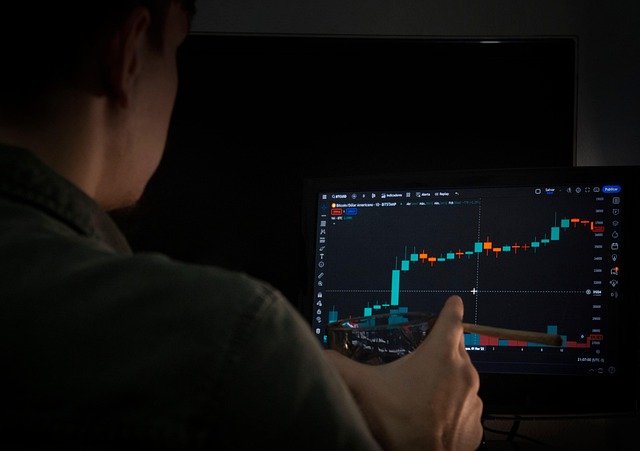
Leverage unwinding and forced selling pressure.
Another major reason behind the current drop is leverage unwinding. This is something I monitor closely because it accelerates price moves more than almost anything else in crypto. When too many traders borrow capital to amplify positions, even a small dip can trigger liquidations that push prices further down.
I remember a session not long ago where Bitcoin dropped only a few percentage points, but cascading liquidations turned it into a much sharper decline within minutes. That type of movement is not driven by conviction selling, but by forced exits. Once those positions start closing, the market doesn’t wait for sentiment to catch up.
Right now, funding rates across several exchanges have been fluctuating more than usual, suggesting traders were leaning too heavily in one direction. When that imbalance corrects, it rarely happens smoothly. Instead, the market shakes out excess leverage before it stabilizes again. I’ve seen this pattern enough times to recognize the early signals.
There’s also a ripple effect after liquidations. Algorithms react, stop-loss orders trigger, and market makers widen spreads to manage risk. That combination creates a feedback loop in which prices continue to drift downward even after the initial trigger is gone. It usually takes time for stability to return because confidence has to be rebuilt from a lower base.
Profit-taking after a strong run
The final factor I keep hearing from both retail traders and small funds is simple profit-taking. After a strong upward phase, people naturally lock in gains. I had a conversation with a trader who held positions for months and finally exited part of his portfolio after seeing returns in the several-thousand-dollar range per trade. He wasn’t bearish; he was just cautious about giving back profits.
That kind of behavior adds steady selling pressure without any panic. It’s not dramatic, but it accumulates. When enough participants do it at the same time, the market starts to drift downward even without negative news. I’ve noticed this pattern more clearly in altcoins, where liquidity is thinner, and exits have a larger impact.
Profit-taking also interacts with sentiment. Once prices start slipping, early sellers feel validated, and others follow. It becomes a self-reinforcing cycle that feeds on itself until a new equilibrium is found. From my seat, that equilibrium usually comes after both buyers and sellers feel equally uncertain again.
What makes this phase interesting is that it doesn’t feel like a collapse, more like a reset. Volume is still active, just less aggressive than during peak optimism. That usually signals that the market is digesting gains rather than abandoning them entirely.
I’ve learned not to rush these periods. They often look worse in the middle than they do in hindsight. The key is watching whether selling pressure fades or continues to build across multiple sessions.
Leave a Reply