Blog

  • Working Around Danketsu Crypto Signals in Volatile Markets

    Working Around Danketsu Crypto Signals in Volatile Markets

    As a crypto derivatives trader based in Punjab, I first came across Danketsu Crypto through a small group of traders who were sharing experimental signal frameworks. I was not looking for another platform, since I already had a routine built around futures and spot spreads across a few exchanges. Still, the way they structured their entry signals caught my attention during a week when the market was moving unevenly, and liquidity was thin. I decided to track it manually before putting any real capital behind it.

    First impressions from live signal tracking

    I started by watching how Danketsu Crypto handled momentum shifts during low-volume sessions. Most tools I use tend to lag slightly, but this one reacted faster than expected in a few test cases. It was early. I remember sitting through a night session where BTC barely moved, yet the system still produced short scalps that matched the order book.

    What stood out was not accuracy alone but timing consistency across multiple small trades. I compared it with my manual charting approach, and there were moments when I would have entered two candles after the signal suggested. That gap may seem small, but in leveraged trading, it can significantly alter outcomes across multiple trades. I noted those differences in a spreadsheet I kept for two weeks.

    I also noticed how the signals handled sudden liquidity pulls on major pairs. While other tools show similar behavior, this approach felt more structured. I treated it as an added layer to my existing analysis, not a replacement for it.

    Platform mechanics and how I integrated them

    While integrating the system, I kept manual confirmations in place. I ran signals alongside TradingView charts and a separate order execution screen to compare latency and execution. Partial automation proved more effective than relying fully on signals or trading only manually, reducing hesitation.

    I tested the core interface via Danketsu’s crypto dashboard during a period when altcoins were rotating quickly between low- and mid-cap coins. The layout made it easier for me to isolate entries without jumping between multiple tabs, which helped reduce distraction during fast moves. I used it while monitoring a shifting market phase in which correlations across several pairs were breaking down. I still cross-checked everything manually before placing trades, especially when volatility spiked beyond normal daily ranges.

    Integration was not smooth at first, mainly because I had to unlearn habits built over years of purely chart-based decision-making. I found myself over-trusting signals during the first few days, which led to small losses that I later corrected by tightening my confirmation rules. After that adjustment, the system became more of a filter than a decision-maker in my process.

    Danketsu Crypto Signals

    Behavior I noticed in smaller market cycles

    Smaller market cycles tend to exaggerate every signal, and Danketsu Crypto behaved no differently under those conditions. I tracked a handful of micro-cap tokens that moved within tight ranges before suddenly expanding. In those moments, false positives increased slightly, as I expected from most systems operating in thin liquidity environments.

    One token doubled in a day after quiet consolidation. I saw the early alert but skipped the trade since the volume profile didn’t show sustainable movement. That saved me from a reversal and losses. This reinforced my rule to always check depth first.

    I also noticed that during weekend trading, the signals were less reliable than in weekday sessions. That pattern was consistent enough for me to reduce position sizes during those periods. Risk control mattered more. Short windows demanded caution. I adjusted quickly rather than forcing trades that did not align with structure.

    How I evaluate signals before risking capital

    My evaluation process starts with checking whether the signal aligns with the broader trend direction on higher timeframes. I usually look at four-hour and daily charts before even considering a trade on lower intervals. This prevents me from reacting to short-term noise that reverses quickly.

    I check if signals align with higher timeframe trends, usually four-hour and daily charts, to avoid reacting to noise. I compare signal frequency against volatility, stepping back if too many entries appear in a short period. Discipline here matters more than accuracy; overtrading poses the biggest risk.

    There is a simple rule I follow that has saved me from unnecessary losses more than once. If I cannot explain the trade in one sentence, I do not take it.

    Working with Danketsu Crypto is about refining my responses to fast-moving markets, not replacing my judgment. While I still rely on my own analysis, the added layer has changed how I structure entries and exits during volatility. At times, I ignore it when macro conditions outweigh technical signals; at others, it serves as a second opinion, helping me avoid overthinking simple moves.

  • Surf Junkie Club Crypto and the Strange Pull of Token-Driven Communities

    Surf Junkie Club Crypto and the Strange Pull of Token-Driven Communities

    I first came across Surf Junkie Club crypto while I was monitoring smaller trading communities that form around NFT-linked tokens and short-lived hype cycles. I work as a crypto community analyst and part-time liquidity provider, mostly watching how retail groups behave inside Discord servers and Telegram channels. My interest is not in the branding itself, but in how fast attention turns into trading volume. Surf Junkie Club stood out for blending surf culture aesthetics with token speculation in a way that felt intentionally chaotic.

    First impressions from tracking the Surf Junkie Club token

    The first time I saw Surf Junkie Club crypto mentioned was in a private trading group where people usually chase early-stage tokens. The conversation was not technical at all, more like people reacting to hype posts and screenshots of wallet gains. I remember thinking the branding was designed to feel relaxed, but the trading behavior behind it was anything but. Within a few hours, the token chatter had already shifted from curiosity to aggressive buying signals.

    In my work, I often compare how different communities behave during early phases of token discovery, especially when meme culture overlaps with financial speculation. Surf Junkie Club crypto followed a familiar pattern where visual identity leads the emotional narrative, and price action follows that emotional wave rather than fundamentals. I tracked similar behavior last spring with another surf-themed token, and the reaction curves looked almost identical in the first 48 hours.

    Most of the early participants I observed were not long-term investors but short-cycle traders looking for momentum. The language used in those groups was very fast-paced, with people reacting to small price changes as if they were major shifts. I did not see much discussion about utility or roadmap clarity, which is usually a sign that sentiment is driving activity more than structure. That early phase told me a lot about what kind of volatility might follow.

    Inside the community behavior and onboarding flow

    Onboarding in Surf Junkie Club crypto felt like social immersion, not structured education. I watched new users enter Discord discussions filled with memes, trading screenshots, and surf images. This built belonging first, investment logic second—a trend I see in similar communities.

    In monitoring, I noticed users quickly mimicking trading language after only a few exchanges. I found a shared resource hub for token updates and wallet tracking—Surf Junkie Club crypto was a frequent reference. The hub became part of group identity, more than just a research tool. Information access acted as social proof.

    The engagement cycles inside the group were unusually intense during short windows of price movement. I saw users who were silent for hours suddenly become highly active when price candles moved upward. That behavior pattern is not unique to Surf Junkie Club crypto, but the speed of reaction felt sharper than average. It suggested that most participants were passively watching charts until social confirmation prompted them to act.

    A divide emerged between new entrants and early holders. Early holders used confident language; newcomers asked repeated entry questions. I’ve seen this in communities driven by momentum over fundamentals—hierarchy forms around timing, not understanding.

    Surf Junkie Club Crypto

    Price movement patterns I tracked over short cycles

    Tracking Surf Junkie Club crypto price, I focused on short intervals. I watch how liquidity shifts during spikes, especially when chatter rises too. Here, volume surges lagged social bursts—a usual sign of reactive trading.

    At one point, I recorded a situation in which trading volume increased significantly within a few hours of coordinated social posting across the community channels. The pattern repeated itself in smaller cycles, with attention spiking first, followed shortly by price movement. I have seen similar dynamics in other meme-driven tokens, but Surf Junkie Club crypto seemed to rely on it more consistently than most.

    Market depth during these cycles felt thin, making price swings sharper than expected given the activity level. That kind of structure often creates fast entry opportunities but also equally fast reversals. I stayed cautious during these periods because liquidity gaps can turn minor trades into exaggerated price movements without warning. It is the kind of environment where timing matters more than conviction.

    What I learned from watching the hype cycle unfold

    After observing Surf Junkie Club crypto, I realized collective emotion, not the token, matters most. These communities are short-lived feedback loops: attention fuels price, price fuels attention. The surf branding gave this one a distinct look and spread it fast in niche circles.

    The strongest takeaway for me was how quickly narrative replaces analysis in these environments. Even experienced traders in the groups I followed began relying on sentiment cues rather than independent chart reading. That shift usually marks the peak of emotional involvement, when decisions are driven more by group behavior than by personal strategy. It is subtle at first, then becomes dominant very quickly.

    Surf Junkie Club crypto was structurally unremarkable, but it showed that thematic branding accelerates attention. The surf theme hooked emotions; the crypto angle drove speculation. I treat these as short observation windows—not stable, but informative patterns.

    In the end, predictable unpredictability stood out. Names and visuals change, but the behavioral rhythm stays constant across tokens and communities.

  • The Crypto Craze I Watched From My Repair Bench

    The Crypto Craze I Watched From My Repair Bench

    I run a mobile electronics repair service that covers small towns and suburban areas across the Midwest, and over the last few years, I’ve started hearing the same topic come up while working on phones, laptops, and old desktops. People would talk about crypto while I was replacing screens or recovering data, sometimes excited, sometimes stressed, sometimes both at once. I did not enter that world myself, but I ended up close enough to see how it affected everyday decisions. It felt less like a financial trend and more like background noise in people’s daily lives.

    How the crypto craze started showing up in my workday

    At first, it was small talk during repairs. While I was fixing their gaming PC, someone asked if I had ever mined anything on a graphics card. Soon, that question started popping up more than I expected—especially around 2021, when older GPUs were still expensive, and people were curious about online returns. For instance, a college student once asked if his broken laptop could still “do something with crypto” before we even discussed the motherboard damage.

    The conversations slowly shifted from curiosity to urgency. For example, last spring, a customer came in with a laptop that kept freezing. Rather than just worry about data loss, he kept asking if he had missed an opportunity while it was down. Soon, thinking like this became common: the device issue was secondary to whatever price movement they tracked on their phones. I saw that pattern often enough to recognize it immediately.

    Not everyone was invested, though; some just watched friends or family get involved. For instance, a middle-aged customer once joked that his nephew had become “a part-time trader and full-time checker of charts.” At first, it sounded funny, but there was concern underneath. These conversations were never just about money; they were about attention and time shifting away from everything else.

    Money stories I heard while fixing devices

    The most memorable stories came from long repair jobs where people stayed nearby. A guy with a cracked tablet once said he had put in a few thousand into different coins during a strong market run. He described checking prices so often that his sleep schedule fell apart. He was not bragging or complaining; he was just narrating what happened to him, without full control over the story. I kept focusing on the digitizer replacement while listening.

    During a similar job, a customer mentioned using online tools and platforms like Crypto Craze to track trends while waiting for his phone repair to finish, and he said it felt harder to step away from the numbers than from the device itself. I remember how casually he said it, as if it were just another app on a long list of daily checks. That stuck with me because it showed how normal the habit had become for some people. I did not respond with advice, just kept working and listened.

    There were also quieter stories where losses were not spoken directly. Someone would just mention “bad timing” or “learning experience” while picking up a repaired device. Then a customer asked whether deleted browsing history could reveal anything about past trades—a question that told me more than any detailed explanation. After moments like these, it felt like people were trying to separate digital habits from real lives once things cooled down.

    Short sentence here. Markets move fast.

    The Crypto Craze

    What I noticed when excitement turned into stress

    Over time, the energy around crypto in conversations changed. Whereas earlier excitement had given way to caution, I started hearing phrases like “I should have sold earlier” or “I stopped checking after a while” as people waited for repairs. Those comments usually came out quietly, as side notes rather than main discussion topics.

    I remember one customer who brought in a water-damaged phone and, while it was being repaired, spent most of the time scrolling through charts on a backup device. He had tracked prices across five different coins for nearly a year—so much so that checking them had become part of his morning routine before he even got out of bed. To me, that level of constant checking looked exhausting, even if he described it as normal.

    There was a clear divide between those who stepped back and those who stayed fully engaged. One customer told me he deleted all trading apps after realizing he was checking them during work breaks more than his family’s messages. He said this matter-of-factly, as if describing a maintenance decision instead of a lifestyle change.

    I noticed that stress did not always come from losses. However, sometimes it came from constant attention. Even when things were fine, people felt tied to updates. That mental load showed up in small ways, such as distracted conversations or repeated phone unlocks during simple repairs.

    Where people still get it wrong about the craze

    A common misunderstanding I heard was that everyone involved was either getting rich or losing everything. My experience showed something more uneven. Most people landed somewhere in between, with small wins, small losses, and a lot of uncertainty. Reality was usually less dramatic than online stories suggested.

    I had a regular customer who stopped by every few months for minor desktop fixes. He said he treated crypto as a side experiment, not a primary source of income. That mindset helped him avoid spiraling into constant checking. He still followed the market, but it did not control his day as it did for others.

    As these stories show, timing changes everything.

    Some people assumed I was involved because I heard about it through work, but I stayed out of it. My focus was always hardware, not markets. That distance helped me see patterns without getting pulled into the decisions behind them. Maybe that’s why the conversations felt more revealing than persuasive.

    From where I stood, the crypto craze was less about coins and more about attention shifting toward screens and numbers that never stopped moving. I still hear it during repairs, but the tone has softened compared to the peak years. People now seem more aware of how much space it can take up, even if they do not fully step away.

  • Caleb and Brown Crypto Conversations From Inside an OTC Desk

    Caleb and Brown Crypto Conversations From Inside an OTC Desk

    I worked for a mid-size crypto OTC desk in Southeast Asia, spending most days handling clients moving between exchanges, private wallets, and brokerage services like Caleb and Brown. My job was not glamorous, but it gave me a clear view of how people actually move money in crypto without relying on retail apps. I noticed patterns that rarely appear in online discussions. Most of what I learned came from repeated conversations with clients trying to move size without slipping into price chaos.

    How I First Noticed Caleb and Brown, Clients

    The first time I heard about Caleb and Brown was during a late afternoon call with a client moving Bitcoin off a retail exchange. He compared brokers casually, saying he preferred services that felt more like a desk with personal responses instead of automation. That preference aligned with what I observed on my own desk.

    Most clients mentioning Caleb and Brown were not beginners. They had experience and were tired of exchange slippage on large orders. One spring, a client shifting several thousand dollars weekly between BTC and ETH described OTC desks as allowing direct negotiation, unlike crowded exchanges—a comparison that resonated with me.

    These clients discussed brokerage services in practical terms, focusing on execution speed, pricing spreads, and quick human access when something felt off. It was complicated. I noticed people shifted to OTC desks once exchange interfaces no longer felt efficient for their size.

    Working With Brokerage Desks in Practice

    When I was coordinating trades, I interacted with various liquidity providers and brokerage-style services. Caleb and Brown frequently came up in client comparisons, especially among those exposed to multiple regions. I noticed people viewed them more as a service relationship than a trading tool, which shifted how expectations were managed. One client valued consistency over flashy pricing, finding predictable execution less stressful than chasing minor spreads.

    Some of the discussions I had overlapped with external service providers, and I even came across references while checking market options through Caleb and brown crypto during a routine comparison of OTC liquidity channels for client requests. That kind of research usually happened when someone wanted a cleaner way to move assets without triggering exchange delays or liquidity gaps. I would often compare notes with colleagues after those sessions to see how pricing behavior differed under similar order sizes. It helped me understand why certain clients preferred brokerage-style setups over direct exchange use.

    I quickly learned brokerage desks like Caleb and Brown are judged more on human reliability than interface. When traders send large orders and get delayed responses, trust drops fast. I saw many clients switch providers after a single bad execution experience, even when pricing differences were small. This sensitivity surprised me at first, but it became normal over time.

    Communication rhythm matters more than expected. Clients with large Bitcoin orders at odd hours want direct confirmation from request to settlement, not marketing or delays. This expectation shaped my approach to interactions, especially during tight timing and liquidity windows.

    Caleb and Brown Crypto

    What I Learned From Crypto Flow Patterns

    After months of handling OTCAfter months of handling OTC requests, I began to notice how predictable human behavior is in crypto markets. Most movements are tied to market swings, portfolio rebalancing, or external triggers like regulatory news or exchange outages. I tracked enough of these patterns to see that emotional decisions usually come in clusters, not isolation.

    Order volume would spike suddenly, traceable to price moves in Bitcoin or Ethereum. It was reactive, not chaotic. One trader shared that he moves faster in calm volatility to avoid crowds during spikes.

    To make sense of these behaviors, I used a simple internal checklist during busy periods:

    – Is liquidity stable

    – Are spreads widening

    – Is client urgency increasing

    – Are multiple orders linked

    This helped me prioritize execution without overthinking every request. It was not a formal system; it was just something I built after handling enough overlapping trades to recognize recurring pressure points in the workflow.

    Where People Misunderstand Services Like Caleb and Brown

    A common misunderstanding I ran into was the idea that brokerage services always guarantee better pricing. That is not always true. What they usually offer is stability in execution, not constant market-best rates. I had to explain this difference to clients more than a few times who expected exchange-level spreads with OTC-level service.

    Another misconception is that these services remove all complexity. Instead, complexity shifts behind the scenes into liquidity sourcing and trade matching. The user experience feels simpler, but underlying mechanics remain tied to market depth and timing.

    Some also assume that switching between exchanges and brokerage services is always interchangeable. In reality, timing matters—a large OTC move still creates friction if liquidity providers are stretched or the market is unstable. I saw this during a particularly volatile week.

    People often overlook the human factor. Relationship quality impacts trade smoothness. Consistent, clear communicators get faster responses than those who are sporadic and unclear—not favoritism, just operational familiarity.

    Working around services like Caleb and Brown showed that crypto trading at scale is about relationships, timing, and execution discipline—not just platforms. I think of those workflows when I see broker comparisons that ignore the experience that goes into the interface.

  • My Real Experience Holding MANA Crypto Through Market Swings

    My Real Experience Holding MANA Crypto Through Market Swings

    I have been trading and holding crypto part-time for about four years, usually late at night after finishing client work, and MANA is one of those coins that stuck with me longer than I expected. I first bought into it during a period when metaverse talk was everywhere, and it felt like a bold but uncertain bet. Some trades worked out fast. This one did not. It turned into something I watched, questioned, and slowly came to understand.

    Why I Bought Into MANA in the First Place

    I remember sitting at my desk one evening, scrolling through projects, trying to find something that wasn’t just another copy of what already existed. Decentraland caught my attention because it tied digital land ownership with actual token utility. That idea felt different from coins that existed only for trading, without a clear use case.

    MANA is the token for that ecosystem, mainly used to buy virtual land and assets. The price had already moved a bit, and I hesitated for two days before entering. I didn’t go all in—just bought a small amount, about the cost of a mid-range phone, since I wasn’t fully convinced yet.

    The first few weeks were quiet. Price moved sideways. I almost sold. Then came a sudden spike tied to broader metaverse hype, and suddenly everyone around me started asking about it. That was the first moment I realized how sentiment can move faster than actual development.

    What I Learned Watching MANA Over Time

    Holding MANA taught me a patience different from that of short-term trades. The project didn’t move linearly. Long dull stretches were interrupted by quick bursts of attention, driving the price up in days. That rhythm is tough if you’re used to fast trades.

    During one stretch that lasted nearly three months, the price slowly drifted lower while online discussions cooled, and I found myself checking charts less frequently just to avoid making emotional decisions. Around that time, I started using tools like Mana Crypto to track broader market sentiment and compare it with what I was seeing in MANA specifically. It gave me a better sense of whether the drop was isolated or part of a larger trend. That helped me avoid panic selling more than once.

    There’s a gap between hype and real use. Logging into Decentraland, some areas felt busy, others empty. Noticing that early shapes how long you’re willing to hold.

    I started thinking less about price targets and more about adoption. That shift changed how I approached not just MANA but also other projects. Price matters, but it does not tell the full story.

    Holding MANA Crypto

    How Volatility Affects Decisions

    Crypto moves fast. MANA is no exception. I have seen it jump sharply in a single week, only to lose a large portion of those gains just as quickly. That kind of movement can pull you in emotionally if you are not careful.

    One night, I watched the chart climb for hours. I thought about selling half, but didn’t. By morning, the price slipped back. That moment showed how hesitation and greed overlap. Now I use simple rules. If a coin doubles, I consider taking profit—at least seriously. With MANA, I held longer than usual to see how the metaverse narrative played out. Volatility is not always bad. It creates opportunities. It also tests discipline. The hard part is staying consistent with your plan rather than reacting to every price move.

    Where MANA Fits in My Portfolio Today

    I still hold some MANA, but it is now a smaller, intentionally managed portion of my overall portfolio compared to when I first bought it. I trimmed my position during one of the stronger rallies and reallocated some funds to projects with more consistent development activity or more stable growth patterns. This approach—adjusting allocations based on ongoing observation and performance—is how I try to balance risk and potential across my portfolio, instead of relying too heavily on any single asset.

    MANA sits in what I call my “speculative bucket.” These are projects I believe in enough to hold on to, but not enough to rely on. I check them once or twice a week instead of daily. That distance helps me think more clearly.

    The metaverse idea hasn’t disappeared. It’s just cooled. That’s common in crypto. Trends come in waves, and timing them is harder than it looks. I’m more realistic now. I still log in from time to time to check Decentraland. Sometimes it’s improved; sometimes quiet. That inconsistency is part of the story—and my expectations. What I Tell Others Asking About MANA

    Friends still ask me if they should buy MANA. My answer is never a simple yes or no. I usually ask them how long they are willing to hold and what they expect from it. Those two answers matter more than the current price.

    If someone wants quick gains, I say MANA may not be the right choice. If they like the concept and can wait, it can make sense; start small, as I did. I remind them that crypto trends shift. What’s hot now can go quiet next year. That doesn’t always mean failure—sometimes the market just moves on. I still remember how uncertain I felt before buying my first batch. That feeling never fully goes away, but you get better at managing it. MANA was one coin that taught me that lesson in practice, not just in theory.

    Holding MANA transformed how I see crypto risk and opportunity. The biggest takeaway wasn’t about price—it was learning to manage uncertainty, focus on adoption, and stay disciplined through swings. I keep a small portion to remind myself of that core lesson.

  • Crypto Bull Run 2025 and the Market I’ve Been Watching Closely

    Crypto Bull Run 2025 and the Market I’ve Been Watching Closely

    I guide new crypto investors to focus on real market behavior, not hype, as speculation grows in 2025. My main message: observed behavior drives practical decisions in uncertain markets, not speculation or pure chart analysis.

    How I Started Noticing Early Bull Signals

    I first started paying attention to cycle behavior after a small group session. About 12 people were tracking Bitcoin price movements daily, but most didn’t fully understand market cycles. I saw the same emotional pattern repeat across experience levels: Excitement builds fast, fades into hesitation, and returns when the price moves.

    Over time, I built a simple habit of comparing sentiment shifts with on-chain activity and retail search behavior. I remember one stretch where engagement in my sessions jumped by nearly a third in just a few weeks. Most of the questions were about “when the next run starts,” not about wallets or risk management. That shift in curiosity tells me more than price movement alone.

    There is also the macro side that people outside trading rooms often underestimate. I have seen conversations shift quickly after interest rate expectations change or liquidity returns to risk assets, even if nothing dramatic shows up on the charts immediately. The delay between macro changes and retail reactions is where a lot of misreading occurs.

    Emotion often shapes early market moves. Seasoned traders accumulate quietly, while newer participants gain exposure following small upward moves—a recurring pattern, though timing varies.

    What 2025 Talk Looks Like From My Perspective

    In one of my recent sessions with a small investor group, someone asked me directly whether 2025 would ‘feel like 2021 again.’ I explained that cycles never repeat cleanly, even when they rhyme. That question naturally led us into a deeper discussion about liquidity conditions and exchange behavior, themes that consistently arise across different market phases.

    I often check broader sentiment tools and data platforms, such as the crypto market research platform, while preparing for these sessions. I prefer grounding discussions in what people are reacting to rather than relying only on historical charts. One evening, I noticed engagement spikes around altcoin discussions across three separate groups I monitor, all in the same week. It reminded me of earlier cycle buildup phases, when attention quietly shifted before price acceleration became obvious.

    Retail attention often shifts quickly. At meetups, discussions can shift from Bitcoin dominance to smaller tokens within a month, signaling a changing risk appetite rather than a clear trend.

    There is debate among the analysts I follow about whether 2025 will align with traditional halving-cycle timing or diverge due to institutional participation. I do not take a fixed stance. I watch whether participation broadens beyond core holders, because that is when momentum usually builds more visibly.

    Crypto Bull Run 2025

    Risk Behavior I Keep Seeing Repeated

    One pattern I have noticed across multiple cycles is how quickly confidence grows after a few strong green weeks. I once worked with a group of 20 participants. Nearly half increased their exposure within days of seeing short-term gains, even though most had entered just a month earlier. That kind of acceleration in decision-making is usually where mistakes start stacking up.

    I have also seen the opposite during sideways markets. People disengage quickly, even if underlying conditions stay the same. That drop-off creates space for stronger hands to accumulate, which becomes part of the next upward phase when momentum returns.

    I also sometimes recommend risk tools and trading dashboards, such as basic portfolio-tracking and sentiment-analysis setups. I usually point people toward a crypto risk-management dashboard so they can visualize exposure instead of guessing mentally. I have seen participants reduce unnecessary trades after simply tracking their own behavior for a couple of weeks. That alone changes how they approach volatility.

    Short-term speculation increases during periods of low volatility. This sounds counterintuitive, but it happens repeatedly. People get bored and take riskier positions, feeding sudden spikes when volatility returns. I’ve seen this cycle play out in different market phases.

    How I Personally Frame the 2025 Outlook

    I do not treat crypto cycles like fixed timelines. Instead, I look at participation quality, liquidity flow, and how new entrants behave under pressure. In one group I worked with last year, about 30 percent of participants remained consistent through both drawdowns and recoveries. The rest rotated in and out with shifts in sentiment.

    For me, the 2025 bull run is not a certainty. My main message: market outcomes depend on collective behavior, macro conditions, and liquidity alignment, rather than on predictions or hype.

    I also pay attention to how people talk about “missing out.” That phrase usually appears right before a stronger market movement or just after it begins. It is not a signal by itself, but it adds context when combined with other indicators, such as volume expansion and shifts in wallet activity.

    My approach remains cautious. I focus more on behavior than prediction. Markets have a way of humbling those who get too confident too early. I have seen that happen to both experienced traders and beginners.

    Looking ahead, my main message is clear: the real drivers of outcomes are participants’ responses to volatility. Emotional patterns move the market more than headlines do.

  • Crypto Payments News and What I Keep Seeing in Real Merchant Adoption

    Crypto Payments News and What I Keep Seeing in Real Merchant Adoption

    I work as a freelance payments consultant, and most of my days are spent moving between small retail setups, online sellers, and service businesses testing crypto payments in real-world operations. I don’t deal with theory much anymore because owners usually want to know what actually works on a busy day with real customers.

    Over time, I’ve started noticing patterns in how crypto payment news translates into real-world behavior, especially when new integrations or policy updates hit the market. I’ve seen excitement fade quickly in some places and turn into long-term systems in others, depending on how practical the rollout feels.

    How crypto payments news actually reaches merchants

    Most crypto payments news I hear in the field doesn’t come directly from official sources. Instead, it filters through processors, wallet providers, or well-informed customers. Last spring, a customer at a small electronics store mentioned paying in stablecoins overseas, prompting the owner to ask how complicated it would be to accept them locally.

    Merchants usually ignore headlines and instead observe when payment gateways or POS providers simplify crypto processes so checkout isn’t interrupted. Owners tend to care more about chargebacks and conversion rates than the technology itself; news becomes important only when it directly relates to revenue or operational stability.

    There was a café owner I worked with who tracked crypto payment updates casually for almost a year before making any changes. He told me he didn’t care about price volatility or media hype cycles, only whether a transaction could clear quickly during a morning rush. That kind of practical filtering is what I see most often in real adoption decisions.

    What are the latest updates changing on the ground

    Some of the newer crypto payments news is focused on settlement speed improvements and better fiat conversion tools, and that’s where I’ve seen the most real-world impact. One shop I worked with last year in a busy tourist area processed several thousand dollars a week in crypto transactions during peak season after switching to a system that instantly auto-converted payments.

    In that same setup, I helped them test a new checkout integration that came from a provider I had been monitoring through crypto payments news, as I compare different payment infrastructure updates and merchant tools that keep changing month by month. I don’t treat any single service as permanent, but I do pay attention to how these tools evolve because merchants ask me for practical comparisons all the time. Most of the time, the real question is not whether crypto works, but whether it slows down or speeds up daily sales.

    Compliance and reporting updates quietly influence adoption more than technology itself. Owners dislike surprises at tax season, so news that improves recordkeeping matters more than flashy stories about token usage. At least two clients paused until their accountants clarified transaction categorization.

    Crypto Payments News

    Where merchant hesitation still shows up

    Even amid constant crypto payment news, hesitation remains very real in day-to-day operations. I often hear the same concerns: price fluctuation, customer confusion, and the fear of adding another layer of complexity at checkout. A retailer I worked with last summer decided to test crypto payments for a month, but turned it off after a few weeks because staff kept forgetting how to process edge-case refunds.

    There’s also a psychological gap between reading about adoption and actually trusting it at the counter. I’ve stood beside cash registers where everything is set up correctly, yet the cashier still hesitates when a customer asks to pay in digital currency. That hesitation usually fades with repetition, but it never disappears completely in smaller operations that don’t process many crypto transactions.

    Security concerns also frequently arise, especially in businesses that have already dealt with fraud or payment disputes. One shop owner told me he had recovered from a series of chargebacks totaling several thousand dollars, and he was cautious about anything unfamiliar, even if the system itself was secure. That kind of experience shapes how they interpret every new update they see in the news.

    How I see crypto payments evolving from here

    From what I observe in the field, crypto payments are slowly shifting from experimental to optional infrastructure rather than a headline-driven trend. The businesses that stick with it long term are usually the ones that quietly integrate it into their existing systems rather than advertise it heavily. I’ve seen more success in places where it feels like just another payment button rather than a statement about technology adoption.

    Customer behavior is more practical. Crypto users prefer speed and clarity, avoiding stores where checkout drags. Repeat users tell me they only stick with stores where the process is fast and invisible.

    The news cycle will keep highlighting partnerships, new networks, and regulatory shifts, but on the ground, I see slower, more incremental change. Most merchants don’t care about who announces what first. They care about whether transactions settle cleanly, whether accounting stays simple, and whether staff can handle it without constant retraining. That is what ultimately decides whether any update becomes real adoption or just another headline that fades out after a week.

  • What I’ve Learned Watching Crypto Casino Talk on Reddit

    What I’ve Learned Watching Crypto Casino Talk on Reddit

    As a crypto payments consultant, I frequently review transaction flows for gambling and gaming platforms that accept digital assets. My moderation of support queues for offshore operators gives me a front-row seat to user complaints—particularly around withdrawals—and to the narratives users build before they ever sign up.

    Over time, I’ve realized that discussions about crypto casinos on Reddit shape user expectations, often fueling confusion and tension through cycles of hype and misunderstanding. Experiencing these patterns helps me quickly identify how online conversation frames the risks and rewards that define this ecosystem.

    What Reddit users actually talk about

    Most discussions I read are not really about casinos themselves but about withdrawals, wallet confusion, and trust issues with anonymous platforms. I’ve seen users compare experiences: one person claims instant payouts, while another says they waited days without resolution. In my work, I often trace these complaints back to simple mistakes, such as incorrect network selection or delayed confirmations on congested chains. A customer last spring had a similar issue: a small BTC withdrawal appeared “stuck” for hours, but it was just sitting in a low-fee mempool queue. I still remember how quickly the thread’s tone shifted once someone explained it in plain terms.

    There’s also a recurring pattern in which Reddit users treat crypto casinos like traditional regulated platforms, expecting the same dispute-resolution and recovery options. That expectation gap creates a lot of tension in comment sections. I’ve handled support cases where users sent funds to the wrong address and then tried to escalate it like a credit card chargeback, which simply doesn’t exist in this environment. I once reviewed a case involving several thousand USDT sent to the wrong chain, and the user’s messages mirrored almost exactly what I’ve seen echoed in Reddit discussions. People rarely realize how final blockchain transfers actually are until something goes wrong.

    I also notice how quickly narratives form. One post claiming a scam can trigger dozens of similar comments even if the original issue was user error. I’ve seen this happen with deposit delays tied to exchange maintenance, where no funds were lost, but perception turned negative fast. I’ve had nights when I tracked the same complaint across three platforms and realized they all pointed to a single exchange outage. It usually takes only a few confident replies for a thread to settle on a shared belief, even if the technical reality is more complex.

    How crypto casino platforms show up in those threads

    When platforms get mentioned, it’s usually in extremes. Either users praise fast payouts or warn others to stay away completely. The middle ground rarely gets attention, even though that is where most real cases sit in my experience handling payment support. I once helped resolve a situation in which a user believed a casino had withheld funds, but the delay was caused by an on-chain congestion spike that affected multiple services simultaneously. The conversation I saw on Reddit about that same platform painted a very different picture than what the transaction logs showed.

    In my consulting work, I sometimes review how people search for support resources when they are already frustrated, which often leads them to Reddit rather than official help channels. That behavior shapes a lot of the crypto casino Reddit narrative because the first visible explanation becomes the dominant one. One client I worked with improved their response times by about twenty minutes on average, and that alone reduced negative mentions more than any marketing effort they had tried before. I pointed them toward better documentation practices, and they also updated their internal guide with help from the crypto casino Reddit community, which helped their support team reduce confusion and repeated tickets. I saw fewer escalations after that change, even though the underlying system stayed the same.

    Technical misunderstandings are often misread as intent: a delayed confirmation becomes “fraud,” a missing memo field becomes “lost funds,” and a paused withdrawal queue is seen as a “blocked account.” I’ve explained blockchain confirmations countless times and often repeat: transactions don’t think; they just wait.

    I’m still taken aback by how quickly a single Reddit thread can set a lasting narrative. Posts with fewer than ten comments can influence hundreds of readers, for better or worse, especially when new users lack context. This capacity for amplification is worth considering when interpreting these threads—reminding me that what I see is a fragment of a highly technical process.

    Crypto Casino Talk on Reddit

    Patterns, risks, and what I’ve learned from support work

    After supporting hundreds of cases, I’ve noticed that most problems fall into a few categories: transferring funds to the wrong blockchain network, waiting for transaction confirmations (required to verify transfers on the blockchain), delays due to cryptocurrency exchange maintenance, and confusion about how wallet addresses work. For example, I once cleared a ticket backlog in which nearly 40% of issues were caused by users selecting the wrong chain for their deposit. Spotting these patterns on Reddit helped me recognize the same repeated mistakes.

    Security concerns also appear frequently in these threads, especially around new or lesser-known platforms. Some of those concerns are valid, especially in unregulated environments, while others stem from a misunderstanding of how custodial wallets differ from user-controlled ones. I’ve worked with platforms that had strong internal controls but still struggled with reputation because users associated them with unrelated incidents posted online. The gap between technical reality and public perception is often wider than people assume, and I’ve seen it affect user behavior more than actual system performance.

    There are also cases where people treat Reddit as a substitute for verification. I’ve seen users deposit funds solely based on a thread comment, without checking contract addresses or platform history. That’s where most avoidable losses happen in my experience. I remember a case where a user sent a deposit after reading a single recommendation thread, only to later realize the address format didn’t match the official documentation. By the time support got involved, the transaction had already settled on-chain and could not be reversed.

    I tend to approach all of this with a bit of distance now. I don’t assume every complaint is wrong, nor do I assume every praise post is accurate. Real systems are messy, and crypto payment flows add another layer of complexity that most casual discussions don’t fully capture. I still read those threads regularly because they often highlight friction points before they show up in formal support channels. But I always cross-check them against actual transaction data before forming any opinion about what happened.

    The longer I work in this space, the more I realize that the conversation around online crypto casinos is less about the casinos themselves and more about how people interpret irreversible systems under stress. That gap between expectation and mechanism is where most of the confusion lives. I don’t think that will change quickly, but I do think better explanations at the right moments can reduce much of the noise I see repeated across Reddit every week.

  • Crypto Burger Nights at My Food Truck

    Crypto Burger Nights at My Food Truck

    I run a small food truck that I parked outside music events and late-night street corners for years, and over time, I started experimenting with crypto payments and themed menu ideas that felt natural to the crowd I served. The “crypto burger” idea did not start as marketing; it began as a way to see how digital payments would actually work in a real, messy food-service environment. I learned more from watching customers scan wallets under neon lights than from any online discussion I had read before.

    How the Crypto Burger Idea Took Shape

    I first heard “crypto burger” from a customer last spring, joking that soon we’d pay for everything—even a late-night cheeseburger—using tokens. I laughed it off while flipping patties, but the idea stuck with me. A few weeks later, on a slow night with maybe a dozen orders, I tested small crypto payments with some curious regulars.

    What I noticed early was not excitement about technology but curiosity about convenience. People did not care about blockchain explanations while hungry; they cared about whether the payment would go through in under ten seconds. One customer tried paying for a double burger while holding a drink and a phone at the same time, and that moment showed me how simple the experience needed to be.

    I started shaping a menu item I called the crypto burger just as a conversation piece. It was the same burger I had been serving for years, but I added a small printed note on the menu board explaining that it could be paid for in cash, by card, or via supported crypto wallets. The real change was not the food; it was how people interacted with the purchase itself.

    Over time, I noticed something interesting: people who paid with crypto tended to ask more questions about the process, while card users mostly focused on speed. After recording over 200 transactions in my notebook over three months, I saw clear patterns emerge—crypto customers valued understanding the process, while card users prioritized convenience. The burger stayed the same, but the overall experience changed completely.

    Running a Crypto Burger Setup in Real Service Conditions

    When I decided to make the crypto burger a regular item, I had to figure out how to integrate payments without slowing down service during rush hours. I tested different apps and payment setups while working a weekend event near a downtown market, where I served nearly 300 burgers in a single evening. One platform worked better than others simply because it did not freeze when the signal strength dropped between buildings.

    A local consultant emphasized keeping digital payment systems simple for staff. I applied this by testing QR code placements on my truck window to minimize staff training and prevent customer crowding at the ordering area.

    One evening last fall, a customer tried paying for a crypto burger order while standing in a long line that stretched past my truck and into the parking lot. As the system lagged for a few seconds and tension built, I realized I needed to refine my setup to prevent momentum loss during busy hours.

    I ended up adjusting my workflow in a few small ways that made a big difference:

    • I separated the ordering and payment steps more clearly.
    • I placed QR codes at eye level on both sides of the truck.
    • I kept a backup card reader ready at all times.

    Each change responded to real service pressure. I didn’t want the crypto burger idea to slow service during peak times, and these adjustments kept things moving. Some nights, I served nearly a hundred people in under an hour, so consistency mattered more than novelty.

    At an event, a small business owner suggested listing the crypto burger experience on a local food directory to attract tech-focused customers. I followed the advice and used Crypto Burger in my outreach.

    Crypto Burger Nights

    Customer Reactions and Real Patterns I Noticed

    What surprised me most was how reactions were split by habits. Some viewed crypto payments as a novelty to try once, while others used them for every crypto burger order. Within weeks, I saw regular patterns form among groups who returned after live events nearby.

    A regular customer last summer told me he liked using crypto because it helped him separate his spending into distinct mental categories. He said it helped him track food expenses without constantly checking bank statements, which I had never considered before. That conversation made me realize the burger itself was becoming part of a broader routine for some people, not just a meal.

    Some transactions failed due to network delays, and I had to respond quickly to keep the line moving. I learned to stay calm, treating these situations like any other service interruption, whether a card machine was offline or a register froze.

    Over time, I noticed that most customers did not care about the technical side. They cared about two things: that the food was hot and that the line moved steadily. The crypto burger label became unimportant after the first interaction, serving only as another ordering option.

    Younger customers asked more questions; older ones preferred cash or card. This pattern appeared at every event, helping me refine payment option explanations without slowing down orders.

    Where the Crypto Burger Idea Went Next

    After several months, I saw the crypto burger was really about how people adapt to small everyday changes. The menu stayed the same. Most learning came from watching behavior in busy hours, not from planning ahead.

    The idea is still evolving depending on the crowd, location, and even the time of night. Some nights it feels routine; other nights it’s an experiment with real people lining up for food.

    What stays consistent is the burger and the rhythm of service built over the years in tight, pressured spaces. Crypto is just another tool to adjust—not the core of the operation. Keeping that balance keeps me engaged without complicating a simple food experience.

  • Trading Lessons From Watching Dr. Profit Crypto Discussions Up Close

    Trading Lessons From Watching Dr. Profit Crypto Discussions Up Close

     Working With the Tangem Crypto Wallet in Real Use

    I paid close attention to “dr profit crypto” discussions when I realized how frequently traders in my circle referenced the name. My approach has always been rooted in practical experience—long hours with trading groups, tracking sentiment shifts, and learning from real trades. My insights reflect what I’ve learned through actual trades, small losses, and the occasional well-timed win.

    How I First Encountered Dr. Profit Crypto Conversations

    The first time I heard the phrase ” DR profit crypto was during a weekend meetup with a group of traders who usually gathered in a small coworking space above a coffee shop. I remember someone pulling up charts on a worn laptop while another person talked about signals and entry points, as if they were reading weather patterns. It was not presented as a promise, more like a shared reference point for market behavior.

    Over time, I noticed that the name was being used less like a person and more like shorthand for a certain style of trading analysis. People would say things like “that looks like a dr profit setup” when discussing chart movements that showed strong momentum shifts. I found that interesting because it showed how quickly language forms inside trading communities.

    I started tracking a few of these discussions more seriously after losing a small trade that I had rushed into during a volatile evening session. That loss was only a few hundred, but it made me realize I was reacting more than analyzing. So I began documenting patterns people associated with Dr. Profit’s crypto ideas just to see if there was any consistency behind the talk.

    One night, I reviewed over thirty chart screenshots shared in a group chat and noticed that most of the profitable calls were not about prediction but about patience. The traders who waited for confirmation rather than chasing early movement seemed to perform better overall. That observation stuck with me more than any single trade signal ever did.

    What I Learned About Trading Behavior and Market Reactions

    As I spent more time observing Dr. Profit’s crypto discussions, I started noticing that the real value was not in the name itself but in how traders structured their decision-making. One evening, while reviewing market dips across multiple assets, I realized that emotional discipline was mentioned more often than technical indicators. That surprised me because most beginners focus heavily on charts rather than behavior.

    During a discussion thread I closely followed, someone mentioned using external sources, such as Dr. Profit Crypto Insights, to compare their own entries with broader sentiment trends. The conversation went on for several hours, shifting between strategy talk and personal experiences with losing trades during high-volatility periods. I noticed that even experienced traders admitted they sometimes ignored their own rules when the market moved too fast.

    In my own experience, I found that discipline was harder to maintain during quick spikes.

    I noticed a pattern: traders referencing structured strategies, like DR profit crypto methods, reduced overtrading. One trader said he made fewer trades per week but improved consistency by waiting for clearer confirmation signals. That idea stayed with me longer than any chart analysis.

    I also saw the downside of relying too much on external signals. At a small crypto meetup last spring, a customer told me he had followed several signal groups at once, which left him confused and unprofitable. His problem was not too little information, but conflicting directions that made him second-guess every decision.

    How I Apply These Observations in My Own Trading Approach

    After spending time in Dr. Profit’s crypto discussions, I stopped copying strategies and changed my own trading approach. I created a routine to review setups only at set hours, instead of reacting all day. This reduced unnecessary entries that hurt my balance during volatile sessions. I focused more on confirmation signals than early movement. For example, I avoided a trade that looked strong at first but fell after failing to hold key support. Patience, not prediction, led to that decision, showing timing matters more than urgency.y.

    Another habit I picked up was recording my emotional state before and after each trade. This simple practice showed me that recent wins or losses, not market conditions, influenced my decisions. Within a few months, my decision quality improved, even though my strategy stayed mostly the same.

    I also learned to separate discussion value from execution value. Not every idea shared in Dr. Profit Crypto conversations was meant to be followed directly. Some were just perspectives meant to help traders think differently about market structure, not instructions for action. There were moments when I still made mistakes, especially on high-volatility days when prices moved faster than expected. But even those mistakes proved useful, as I could trace them back to specific behavioral triggers rather than technical misunderstandings.s.

    The central lesson I took from these discussions was the lasting importance of discipline over excitement. Sustainable trading results depend on controlled behavior, not chasing every signal. This focus continues to shape how I participate in and learn from the dynamic world of crypto trading.

    I started handling hardware crypto wallets as part of my day-to-day consulting work with small traders and freelance developers who wanted something simpler than juggling seed phrases and multiple apps. The Tangem crypto wallet came up more often in conversations than I expected, especially among people who preferred a physical, card-style approach over traditional setups. I ended up testing it in real situations with clients who were moving between small transactions and long-term storage decisions.
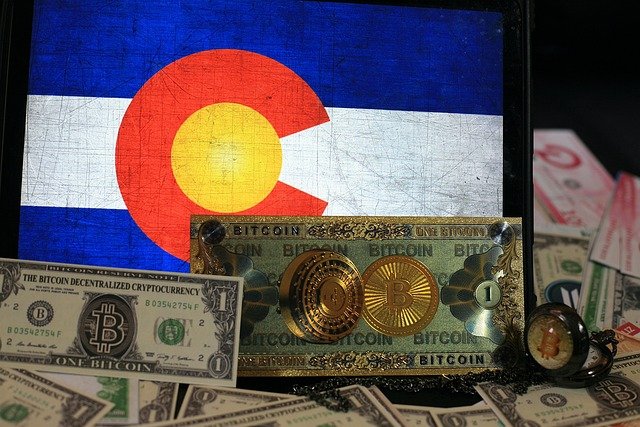

    Dr. Profit Crypto Discussions Up Close

    First Impressions From Handling Tangem

    The first Tangem setup I worked through was with a client last spring who kept a modest portfolio split across several chains and wanted something they could carry without thinking about backup notebooks or cloud storage. The card-based design felt unusual at first because it removed the usual recovery phrase workflow that most wallets rely on. I remember sitting at a small café table, walking through activation, while the client kept asking if it really was that simple.

    My own testing started the same week, and I spent a few evenings just moving small amounts between wallets to see how the system behaved under repeated use. The tap-to-connect function felt more like using a contactless payment card than a crypto tool, which lowered the friction compared to other hardware devices I had handled. It was fast enough that I stopped worrying about long setup steps and started focusing on how secure the experience actually felt.

    One thing I noticed early was how Tangem changes the usual mindset around backups. Instead of writing down a recovery phrase, users rely on additional cards tied to the same wallet. That shift confused a few people I worked with, especially those who had lost access to wallets in the past and were cautious about any new method that felt too different from seed phrases.

    I also tested it during a weekend workshop where I guided about a dozen users through wallet setup. A few of them were complete beginners who had only heard about crypto through social media, and they were able to activate their wallets in under ten minutes without much confusion. That kind of speed is not common in hardware wallets, so it stood out even in a controlled group setting.

    How Tangem Fits Into Real Transactions

    As I continued using Tangem in practical scenarios, I started paying attention to how it behaved during actual transfers rather than just setup. I tested it while handling small payments between test wallets and larger simulated transfers that felt closer to real portfolio movement. One session involved moving what would amount to several thousand dollars in assets across different chains to observe confirmation speed and user interaction flow.

    During one of those sessions, I worked with a freelance designer who wanted to use Tangem as a backup storage method while keeping daily funds on a mobile wallet. I showed him how to switch between wallets without overcomplicating the process, and he appreciated that there was no need to plug anything into a computer or manage browser extensions. That simplicity became the main reason he kept using it after the initial trial period.

    While comparing it with other hardware wallets I have used, I noticed Tangem reduces the number of decision points during a transaction. There is less room for error because the interface is minimal and mostly driven by physical card interaction. That can be helpful for users who get overwhelmed by complex dashboards, but it also means fewer advanced customization options for experienced traders.

    I also had a situation where a user asked me to review their setup after they struggled with understanding how the backup cards worked. We spent about an hour going over redundancy and access control, and I realized that most of the confusion stemmed from expecting a traditional recovery phrase system. Once they understood the card-based redundancy model, their confidence improved noticeably.

    For those who want to compare different hardware wallet setups, I sometimes point them toward external resources and product comparisons, like the Tangem crypto wallet, so they can see how Tangem fits alongside more traditional devices. I usually recommend doing that comparison before committing, especially if they are moving larger amounts or managing multiple portfolios. In my experience, seeing the differences side by side helps people make decisions faster than reading isolated reviews.

    Security Habits and Practical Limitations

    Security discussions around Tangem usually come up after users become comfortable with the convenience. I have seen people assume that fewer steps automatically mean lower security, but that is not always the case in practice. What matters more is how responsibly the backup cards are handled and whether users understand what physical control actually means.

    I worked with a small group of online sellers who integrated Tangem into their payment workflows to receive crypto from international customers. One of them kept the wallet stored in a locked drawer at their office and used a separate card for backup storage in a different location. That separation helped reduce risk while still keeping access simple during business hours.

    There are limitations I point out whenever I review it with clients. If someone loses all associated cards, recovery becomes impossible, which is a hard boundary compared to phrase-based wallets. That reality needs to be accepted upfront, and I have seen a few users underestimate it during early adoption.

    At the same time, I have also seen people reduce their mistakes significantly after switching from more complex interfaces. The trader told me he stopped accidentally sending funds to the wrong networks simply because the Tangem flow forced him to slow down and confirm each step more deliberately. That kind of behavioral change is not often discussed, but it shows up in real usage patterns.

    My overall experience working with Tangem in different environments has been shaped more by user behavior than by the technology itself. Some people adapt quickly and appreciate the simplicity, while others miss the flexibility of traditional wallets. It tends to work best for users who value physical control and straightforward interaction over advanced configuration options. Working With the Tangem Crypto Wallet in Real Use

    I started handling hardware crypto wallets as part of my day-to-day consulting work with small traders and freelance developers who wanted something simpler than juggling seed phrases and multiple apps. The Tangem crypto wallet came up more often in conversations than I expected, especially among people who preferred a physical, card-style approach over traditional setups. I ended up testing it in real situations with clients who were moving between small transactions and long-term storage decisions.