Blog

  • Dubai Crypto News From the Ground and the Gaps I See Every Week

    Dubai Crypto News From the Ground and the Gaps I See Every Week

    I work as a crypto compliance consultant in Dubai, mostly sitting between exchange teams, local brokers, and a few early-stage blockchain startups, trying to figure out what the rules actually mean in practice. Most days, I am not reading headlines as much as I am listening to what traders and founders are reacting to in real time. Dubai crypto news feels less like a single feed and more like overlapping conversations that shift depending on who is speaking. I have learned to separate noise from signals by watching how money actually moves after announcements.

    Watching policy shifts from the inside

    My first real exposure to Dubai’s crypto environment came during a licensing review cycle with a mid-sized exchange seeking to expand its operations. The regulatory discussions were not abstract; they were tied directly to onboarding delays, custody rules, and marketing approvals that changed week by week. I remember a compliance officer telling me that a single circular from the authorities could change their entire customer acquisition plan overnight. That kind of pressure forces everyone to interpret the news very differently depending on their position.

    Over time, I started noticing how Dubai crypto news often gets simplified when it reaches global audiences, while on the ground, it is more about layered approvals and gradual tightening rather than sudden shifts. A single policy update might look small on paper, but it still forces exchanges to adjust liquidity partners or pause certain token listings for weeks. I once saw a trading desk quietly reduce exposure by several thousand dollars just because internal risk teams were unsure about a classification update. Markets change fast here.

    Many underestimate the extensive coordination between regulators and major platforms in the region. Rather than chaos or stasis, even minor clarifications cascade quickly across wallet providers, custodians, and payment processors. Dubai stands out with a rhythm that is more structured yet still evolving, distinguishing it from other markets.

    How I track exchanges and trading activity

    To effectively monitor Dubai crypto news, I always begin by analyzing exchange behavior, as price movements and liquidity shifts typically signal major developments before press releases do. I use Dubai crypto news updates during client consultations to cross-check how local reporting aligns with regional trading activity. By also consulting directly with desks in the DIFC and free zones, I built a more precise understanding. This method has repeatedly kept me from overreacting to partial narratives.

    A few months ago, I worked with a trading group that noticed unusual stablecoin inflows on a weekend with no major announcements. By Monday, the news explained a licensing adjustment affecting certain custodial services. Misunderstandings often occur in the gap between activity and reporting. I advised them to slow their reaction time, which prevented a premature repositioning and avoided several thousand dollars in exposure.

    Exchanges often act before news is public, quietly changing token listings or policies in advance. I rely on operational signals first; this is where the real crypto story unfolds in Dubai.

    Dubai Crypto News

    What retail traders are missing in Dubai crypto chat

    Retail traders often treat Dubai crypto news as a single directional indicator, but the reality is far more fragmented. I meet many small investors who assume that every regulatory update signals immediate market movement, when in fact most changes are gradual and staggered across different asset categories. That misunderstanding leads to overtrading during quiet adjustment phases. I have watched people react emotionally to news that affects only a narrow slice of licensed activity.

    One conversation I had with a local trader last spring still sticks with me because he was convinced a licensing announcement would crash the entire market. Instead, only specific derivative products were affected, while spot trading remained stable across most platforms. He had already exited positions too early, missing a recovery window that unfolded over the next few days. That kind of reaction is more common than people admit.

    There is a tendency to underestimate regional context. Dubai does not operate in isolation. It coordinates with global exchanges, payment processors, and institutional players. Each interprets news differently. I remind clients that what seems like a major shift in one report may only be a procedural update in practice. The gap between perception and execution is where confusion starts.

    Where I think momentum is actually heading, Dubai’s momentum comes from gradually tightening its regulatory framework while courting institutional capital, creating frequent but incremental shifts. Real progress is found in policy implementation, not just in announcements.

    Interest in tokenized assets and regulated custody solutions is rising. I expect Dubai crypto news to focus on infrastructure growth rather than retail speculation in the next cycle. A few startups I know are planning compliance-heavy launches with banking partners. These take months of testing and legal work before going public.

    I also think liquidity will continue to shift toward platforms that meet stricter reporting requirements without slowing execution. That trade-off now matters more than fees or promotions. Some exchanges are investing in backend systems invisible to most users, but these systems decide whether they scale under new rules. I’ve seen early upgrades quietly cut operational risk before users notice any change.

    Dubai crypto news will likely keep evolving in this direction, with real changes occurring at the infrastructure layers rather than in visible announcements. It is a slower form of transformation, but it tends to be more durable. I expect the next wave of updates to focus less on speculation and more on how digital assets integrate into regulated financial systems across the region.

    I still get asked sometimes if the market here feels unpredictable. My answer is usually that it feels structured, but not fully settled yet. That distinction matters more than people think, especially if they are trying to time decisions based solely on headlines. The signals are there, but they are rarely where beginners first look.
  • Trading Valor Crypto Through Market Swings

    Trading Valor Crypto Through Market Swings

    I am a freelance crypto market analyst from Punjab, and over the past few years, I have worked closely with small trading groups and individual investors trying to understand coins that rise quickly and fall just as fast. Valor Crypto is one of those names that kept popping up in conversations, charts, and late-night discussions among traders chasing momentum. I never approached it as a guaranteed opportunity, but rather as a case study in how quickly sentiment can shift in the crypto space.

    How I first came across Valor Crypto

    I first noticed Valor Crypto while tracking smaller tokens gaining attention in regional trading circles. A group I occasionally advise mentioned it during a period when low-cap coins were moving sharply without clear fundamental reasons behind the spikes. At that time, most of the discussion was driven by hype cycles rather than structured analysis, which made it even more unpredictable.

    One thing I quickly learned was that coins like Valor Crypto often gain traction through community momentum rather than long-term development signals. I remember a conversation with a trader who had entered early, and he described it as “fast money until it stops working,” which stuck with me because it captured the emotional side of these trades. Volatility hits fast.

    While monitoring its price, I noticed that liquidity shifts drove sudden moves. Volume would spike without announcement, followed by quick corrections that erased short-term gains. I’ve seen this in other speculative assets, but Valor Crypto amplified the cycle more quickly.

    During a weekend review with a small group, we mapped how retail interest surged after increased social mentions. The pattern showed that sentiment, not upgrades or development, drove early moves. I learned this quickly.

    What I watch when trading Valor Crypto

    When I analyze assets like Valor Crypto, I usually focus on liquidity depth, exchange distribution, and how quickly order books adjust during volatility spikes. These three factors often tell me more than price charts alone, especially for tokens still building their market identity. I do not treat it as a long-term holding unless I see consistent development activity backing it.

    For execution, I use platforms that let me compare order books and spot sudden volume shifts across exchanges. In my regular sessions, I monitor how spreads widen and how pairs react to volatility. This shows if price moves are organic or driven by speculation. I often spend hours watching patterns for clarity—acting less, observing more.

    In practical trading scenarios, I have seen Valor Crypto respond sharply to small changes in liquidity, especially during off-peak hours when fewer market participants are active. A trader I worked with last spring entered during a sudden upward spike, only to realize later that the move was not supported by sustained volume. That kind of situation is common in assets that depend heavily on sentiment rather than structured demand.

    I stay cautious in these markets. I never assume momentum will last. I wait for confirmation over multiple timeframes and consistency before entering any position. This patience has saved me from early mistakes in similar tokens.

    Trading Valor Crypto

    Risk patterns I noticed in smaller coins like Valor

    Over time, I began noticing that Valor Crypto shares several characteristics with other low-cap tokens that attract rapid attention. The first is the speed at which narratives form around it, often without enough time for real evaluation of the underlying project. This creates a gap between perception and the actual market structure, where most retail traders take risks without realizing it.

    Another pattern is how quickly momentum fades once early buyers start taking profits. I have seen cases where the price doubles in a short span and then retraces most of the move within days, leaving late entrants exposed. That cycle repeats more often than people expect, especially in coins that rely heavily on short-term attention rather than consistent utility.

    During a review session, I tracked order flow over three days and saw thin support after selling increased. In small crypto assets, support zones are often psychological rather than structural. Recognizing this distinction helps with entries and exits.

    I also pay attention to how information spreads in trading communities. When everyone starts talking about the same coin at the same time, it usually signals that the easiest gains may already have passed. That does not mean opportunities disappear completely, but it does significantly change the risk profile. Timing becomes more important than direction in those situations.

    Where Valor Crypto fits in my broader view of the market

    After spending time observing Valor Crypto alongside other similar tokens, I treat it as part of a broader category of high-volatility assets that require active monitoring rather than passive holding. These coins can move quickly, but they also demand discipline that many traders underestimate when they first enter.

    I do not see Valor Crypto as a standalone opportunity. It reflects how quickly retail-driven markets shift when attention drives value. This has influenced my short-term trading in markets with undeveloped fundamentals.

    Experience taught me to respect these markets’ speed. A few hours can reshape a trade. I avoid assumptions when positions are open—careful observation and quick decisions outweigh predictions.

    Working around tokens like Valor Crypto has shaped how I think about risk, timing, and market psychology. My main takeaway: it’s not about certainty, but mastering uncertainty when crowd reactions move markets swiftly. Navigating these swings defines my broader approach to volatile assets.

  • Watching Simpsons Clips While Trading Crypto Signals

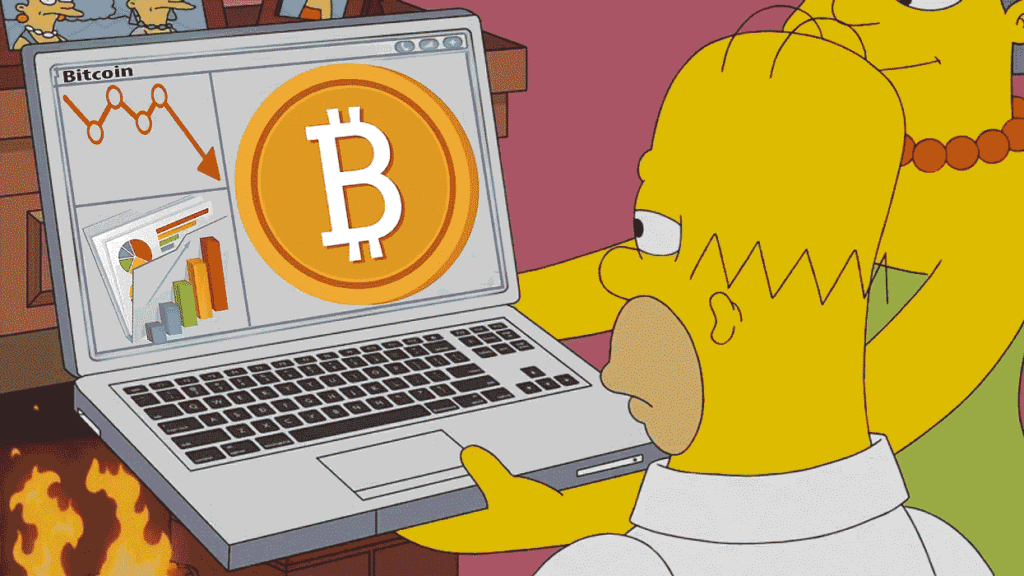
    Watching Simpsons Clips While Trading Crypto Signals

    I work as a crypto derivatives trader, spending long hours tracking sentiment across meme coins, social media chatter, and fast-moving futures charts. Over the years, I started noticing how often people bring up The Simpsons whenever a strange crypto movement happens. It usually comes up after the fact, when a price spike or crash already looks “predictable” in hindsight. That connection between entertainment and market behavior is what drew me to study it more seriously.

    The Simpsons and hindsight trading narratives

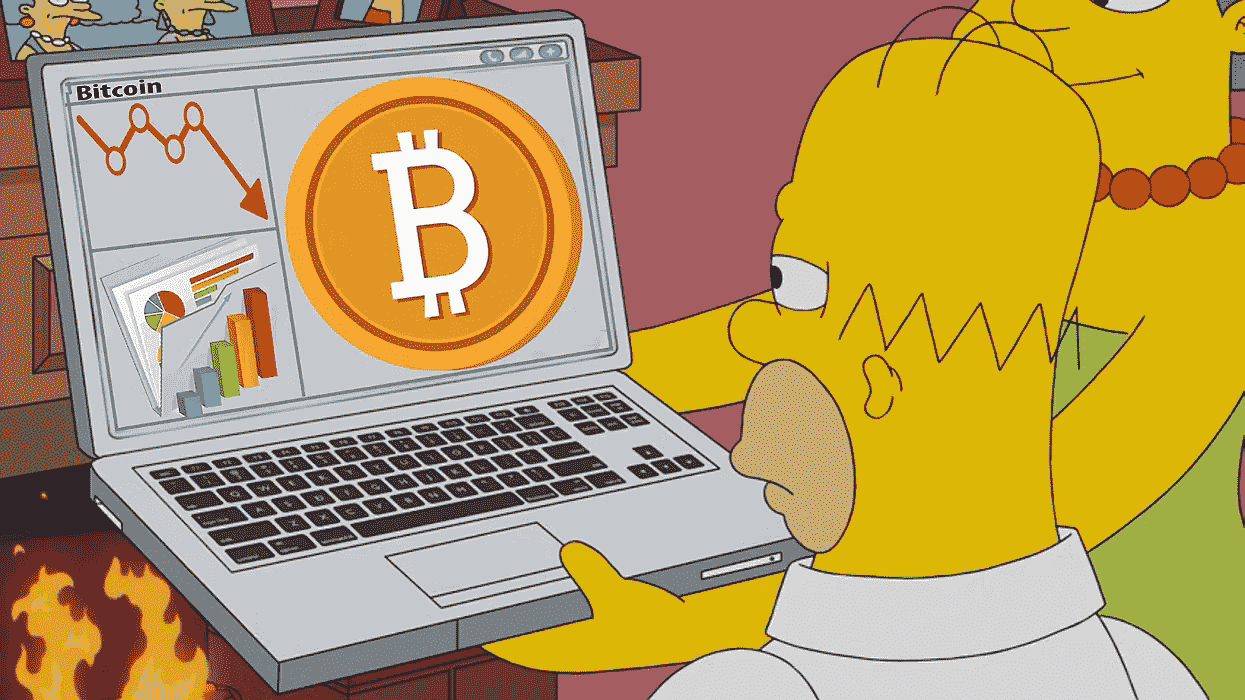
    I first started hearing about Simpsons crypto predictions during a volatile week when a low-cap token jumped unexpectedly, and forums immediately tied it to an old cartoon clip. I was sitting at a small trading desk with three monitors, watching liquidation levels stack up as usual. A colleague mentioned, “The Simpsons did it again,” and that stuck with me because it was said half-jokingly, half-seriously.

    In my experience, traders often look for patterns that confirm what has already happened rather than what is likely to happen next. I have seen this repeatedly after sharp Bitcoin moves where people retroactively match a chart pattern to an old scene from the show. It feels satisfying to connect dots, but markets rarely reward that kind of backward reasoning. One quiet Sunday evening, I even replayed a few clips myself just to understand why people trust them so much.

    A lot of this comes down to how humans handle uncertainty in fast markets. When a sudden pump wipes out several thousand dollars in positions, traders naturally look for meaning beyond pure data. The Simpsons becomes a cultural reference point because it is widely known and easy to interpret. That familiarity makes it feel more credible than it actually is in a trading context.

    I now treat these narratives as sentiment indicators rather than signals. They show retail traders’ emotional reactions, not market direction. I learned this after early career risks, so I see memes as noise patterns, not forecasts.

    Crypto culture, prediction hype, and information loops

    While working through different trading cycles, I realized how crypto communities amplify prediction stories because they travel fast and feel entertaining. I often browse sentiment threads while running position checks, and The Simpsons references appear more often during uncertain market phases. One evening, during a high-volatility session, I noticed at least five posts linking a new token surge to an old cartoon frame, even though the connection was extremely tenuous.

    For traders who want structured analysis tools alongside sentiment tracking, I sometimes point them toward Simpsons Crypto Prediction as a way to organize research instead of relying on fragmented social signals. I use similar resources when I need to separate structured data from narrative noise during busy trading sessions. It helps me stay grounded when social media starts pushing exaggerated interpretations of price movements. I have seen too many cases where hype moved faster than logic.

    These prediction stories create loops: someone posts a clip, it gets shared, a price move gets tied to it, and suddenly the show is seen as predicting the market. I’ve watched this cycle repeat during altcoin rallies, creating an illusion of foresight driven by coincidence and timing.

    In one case last spring, I tracked a meme token that doubled within hours after a viral post connected it to a Simpsons episode. When I dug deeper, the episode lacked meaningful financial context, just a visual similarity that people loosely interpreted. The trading volume dried up just as quickly as it appeared, leaving late entrants stuck with losses. That pattern showed me how fragile these narratives really are.

    Simpsons' Crypto Prediction

    Pattern recognition errors in trading psychology

    My daily work involves watching charts that rarely behave in clean, predictable ways. Because of that, I understand why traders try to impose structure where none exists. The human brain prefers stories over randomness, and The Simpsons’ predictions fit neatly into that tendency. I have made similar mistakes myself when I first started trading crypto futures.

    There were moments when I believed I was seeing “signals” in places that were just noise. A sudden wick on a 5-minute chart once convinced me that a reversal was forming, and I entered a position that reversed against me within minutes. That loss was not large, but it taught me something important about overfitting, meaning the random movement. I still remember that trade clearly, even though it happened years ago.

    Crypto markets worsen these tendencies because they react to liquidity shifts. With high leverage, small triggers cause large price swings. Traders reach for intuitive explanations, often turning to familiar references like The Simpsons. Belief in prediction feels better than accepting randomness.

    I have also noticed that people who rely heavily on narrative-based signals tend to enter trades later than they should. By the time the story spreads, the real move has already happened. That delay turns supposed predictions into exit liquidity for more disciplined participants. I learned to respect timing more than storytelling after enough missed opportunities and avoidable losses.

    Now, I view the Simpsons’ crypto prediction talk as entertainment layered on top of real market behavior. It helps me read crowd behavior, but doesn’t guide my trades. That distinction keeps my decisions mechanical and less emotional in volatile times.

    I still see others connecting dots that don’t align with the price structure. I don’t dismiss sentiment outright, but I don’t use these connections for direction. Balancing awareness with detachment has served me better than any prediction theory.

    In the end, trading crypto feels less like decoding hidden messages and more like managing reactions to uncertainty. The Simpsons will probably keep being mentioned every time something unusual happens in the market. I just no longer confuse that pattern of discussion with a predictive edge.

  • Artizen Crypto And The Way I Evaluate Early-Stage Token Ecosystems

    Artizen Crypto And The Way I Evaluate Early-Stage Token Ecosystems

    I work on the crypto OTC desk as an analyst, having spent the last few years reviewing early-stage tokens before they reach major exchanges. Most of my days involve sorting through whitepapers, liquidity projections, and community activity that often looks more hopeful than structured.

    Artizen crypto is one of those names that kept coming up in conversations with smaller investor groups and builders experimenting with creator-focused blockchain models. I first started paying attention to it when a few traders asked whether it had real utility or was just another narrative-driven token cycle.

    Early impressions from market discussions

    My first exposure to Artizen crypto came through informal trading circles where people compare emerging tokens long before they are widely listed. I remember a customer last spring mentioning it in the same breath as other creator economy experiments, mostly focusing on how it might reward contributions to digital art. In those discussions, I was less interested in hype and more focused on whether there was actual transactional behavior happening on-chain or just speculative movement.

    Over time, I started mapping how sentiment shifted. Some weeks, Artizen crypto seemed forgotten, while in others, the conversation would spike without clear updates. I have seen this pattern with tokens straddling community-driven funding and experimental Web3 utility. One trader told me they treated it as a long-term watchlist item—a typical approach early narratives use to survive in thin markets.

    There is a small but consistent group of people who track Artizen crypto alongside other experimental funding protocols. Artizen Crypto is one of the resources I came across while comparing how different platforms document these emerging token ecosystems. I noticed that most serious discussions around it tend to focus on governance participation rather than price speculation alone. That separation between utility and trading interest is usually where I start forming my own judgment about sustainability.

    How do I analyze its ecosystem behavior?

    When I evaluate something like Artizen crypto, I look at how real users interact with it rather than how loudly it is marketed. In one case, I tracked wallet activity patterns over a short window and noticed that most movement came from a relatively small cluster of addresses rather than a broad distribution. That does not necessarily mean anything negative, but it tells me the ecosystem is still in an early stage of concentration.

    I also pay attention to how builders talk about the project compared to how traders do. Builders usually focus on funding mechanisms, grants, or creative incentives, while traders focus on liquidity and entry points. With Artizen crypto, I saw more builder-centric language in forums, which usually signals a longer development runway before any meaningful market stability appears. I have learned to be cautious when those two groups are not aligned in expectations.

    For client portfolios, I simulate exposure management by accounting for liquidity, exchange access, and narrative shifts. Working with experimental tokens, I found timing exits was harder than deciding when narratives fade.

    One sentence I often repeat to junior analysts is simple. Momentum hides risk. Another one is equally direct. Liquidity is everything.

    Artizen Crypto

    Volatility patterns I have seen around similar tokens

    Over the years, I have seen a repeating cycle with tokens that resemble Artizen crypto in structure and audience. They start with strong narrative energy, usually tied to creativity or funding innovation, then slowly transition into periods where only core supporters remain active. That transition phase is where most of the real price instability shows up.

    I remember a situation where a similar project lost nearly all its trading volume within a few weeks after initial hype faded, leaving only small pockets of activity on decentralized exchanges. That kind of contraction is not unusual, but it teaches you how quickly attention can disappear when there is no sustained product release cadence. With Artizen crypto, I still see early signs of the same attention dependency, though it hasn’t fully played out yet. From a risk standpoint, I treat these tokens as high-variability assets that require constant reassessment. I do not assume continuity just because a community exists. I describe this as “attention-dependent liquidity,” which captures the fragility in markets driven by narrative cycles rather than consistent usage.ge.

    Where I think the uncertainty actually sits

    The most important thing I have learned is that uncertainty in Artizen crypto does not come from the idea itself but from execution gaps. Many early-stage crypto projects have strong conceptual foundations but struggle to maintain developer consistency over time. That gap between concept and execution is where investor expectations often diverge from reality.

    I have seen teams shift direction after early funding rounds, and that often confuses the market more than a simple failure would. With Artizen crypto, I would closely monitor governance activity because it tends to reveal whether participants are aligned or slowly drifting toward separate priorities. When that happens, price behavior usually becomes reactive rather than predictive. There is also a psychological aspect. Traders often project long-term viability onto short bursts of activity, especially when tokens fit a creative or cultural narrative. Early in my career, I made that mistake and learned that visible warning signs often precede declines.ht.

    I still monitor Artizen crypto occasionally, not because I expect immediate breakthroughs, but because it falls into a category of experiments that sometimes evolve into more structured forms over time. Whether that happens depends less on market sentiment and more on whether consistent usage ever replaces speculative interest in a meaningful way.

    Patience alone is not a strategy. Passive observation can be as risky as overtrading if signals are misread.

  • Dogecoin 2.0 Crypto and the Hype I Keep Seeing in Trading Rooms

    Dogecoin 2.0 Crypto and the Hype I Keep Seeing in Trading Rooms

    After years around crypto trading desks, I’ve watched familiar patterns return. “Dogecoin 2.0” is one such label, often just a fresh marketing hook for new meme tokens rather than a true Dogecoin sequel. I usually catch it in group chats among small traders before the wider buzz starts. The excitement is always the same.

    My background is in over-the-counter crypto dealing, mostly handling retail and semi-professional orders in cycles where hype moves faster than research. I’ve watched people chase coins based on narratives more than fundamentals, and Dogecoin-related branding tends to amplify that behavior. I don’t treat the term as technical, but as a psychological framing. That distinction matters more than most new traders realize.

    How “Dogecoin 2.0” Became a Trading Narrative

    The “Dogecoin 2.0” term wasn’t tied to any singular blockchain upgrade or official fork, but used as a shorthand for meme coins attempting to recreate Dogecoin’s momentum. In practice, it refers to tokens that rely on community-driven hype rather than utility. I’ve seen multiple coins carry this label in various cycles.

    What I notice in trading rooms is how quickly language shapes expectation. Once a coin is called “Dogecoin 2.0,” people start pricing it as if it already has momentum, even when liquidity is thin. I’ve seen newcomers enter positions within minutes of hearing the label, without checking token distribution or contract risks. That reaction is part of what keeps the cycle alive.

    In a few cases, I’ve seen early-stage projects try to adopt the label themselves, hoping to borrow credibility from Dogecoin’s history. That rarely works long term, but it does create short bursts of attention that attract speculative volume. One small trading community I worked with last spring treated three different tokens as if they were competing versions of the same idea. None of them lasted more than a few weeks in active discussion.

    My Experience Watching Tokens Marketed Under the Label

    I’ve seen enough token launches to recognize when branding carries the narrative. A consistent trend is the use of “Dogecoin 2.0” in Telegram groups to compress complex tokenomics into familiar terms. That sense of familiarity makes risk feel smaller, particularly for first-timers remembering Dogecoin’s history.

    In my own workflow, I sometimes track discussion threads alongside order flow to see how narratives move capital. A service like Dogecoin 2.0 crypto resource was once shared in a trading group I followed, and it showed how quickly curated content can reinforce speculative momentum. I don’t rely on those sources for decision-making, but I do study how they influence sentiment. The pattern is usually stronger than the product itself.

    What stands out is how fast these narratives detach from any original reference point. A coin might start as a meme tribute, then get rebranded, and suddenly, traders are comparing it to early Dogecoin charts as if history guarantees a repeat. I’ve had conversations where people were projecting multi-billion-dollar outcomes on tokens that had been live for less than a month. That disconnect is where most losses begin forming.

    I also notice how liquidity behaves differently under hype branding. When a token is framed as “Dogecoin 2.0,” entry volume spikes quickly, but exits become uneven. I’ve seen several thousand dollars’ worth of positions struggle to close cleanly during the same day they were opened. That kind of volatility is not unusual in meme cycles, but the labeling intensifies it.

    Dogecoin 2.0 Crypto

    Risk Signals I Watch Before Taking Any Position

    My first check is always the token supply distribution. If a large share of the supply is held by a few wallets, I take that as a strong risk signal because those holders can dramatically affect the price if they sell. I treat any hype label as secondary noise in these cases. I’ve observed early holders often exit during the first surge of attention, leaving late entrants exposed to sharp drops. This pattern becomes more predictable with experience.

    Another signal I pay attention to is liquidity depth across exchanges. When a token is heavily marketed as Dogecoin 2.0 but has a shallow order book, price movements become artificially sharp. That creates charts that look exciting but are structurally fragile. I’ve had clients assume that volatility equals opportunity, only to realize it also significantly increases slippage.

    Community behavior also matters more than people think. If the discussion centers on price targets rather than development updates, I treat it as a short-cycle asset. I’ve watched entire groups shift from optimism to frustration within a single week when expected momentum failed to appear. That emotional swing is usually more predictable than the price itself.

    When every new token claims to be the next Dogecoin, the impact weakens. I focus on distinguishing history from genuine innovation, even when branding is persuasive. Usually, the label is just recycled energy seeking attention.

    After enough cycles, I stopped reacting to the name and started reacting to the structure. Dogecoin itself had a unique timing and cultural moment that cannot be replicated by branding alone. When I see “Dogecoin 2.0” now, I don’t assume evolution. I assume comparison, and I test everything from that assumption before moving any capital.

  • Working Around PlaySwap Crypto from a Small OTC Desk

    Working Around PlaySwap Crypto from a Small OTC Desk

    I run a small crypto OTC desk in Punjab, where I handle daily swaps between traders who do not want to deal with traditional exchanges or long settlement delays. Over the past year, I have come across PlaySwap crypto in various discussions, often when people are trying to move assets quickly between chains or tokens without going through extensive verification.

    My experience with it is not from hype but from watching how real users interact with it in short, practical bursts. I usually see it come up when speed matters more than structure.

    How PlaySwap Shows Up in Real Trading Conversations

    In my day-to-day work, I mostly hear about PlaySwap crypto from small traders who want fast token swaps without waiting for order books to fill. Some of them are arbitrageurs trying to capture small spreads between decentralized pools, while others are simply moving funds between wallets. The pattern is consistent: they are not long-term investors but short-term traders who value speed above all else. That already tells me how the platform is positioned in their workflow.

    I first noticed a shift when a customer last spring asked for alternatives to centralized exchanges because he was tired of delayed withdrawals and account checks. Around the same time, I saw discussions pointing to PlaySwap, a crypto exchange, as a place where token swaps could happen without the usual friction of order books and verification queues. The conversation was not about long-term holding but about execution speed and convenience. That is where PlaySwap started appearing more frequently in my notes.

    From my desk perspective, I treat platforms like this as tools rather than ecosystems. If a trader comes in needing a quick conversion between assets, I do not care as much about branding as I do about execution time and slippage. PlaySwap fits into that niche conversation, especially for people already familiar with decentralized liquidity pools. I still ask them to double-check network fees because those often surprise new users.

    Where I Personally See Its Use Case

    I do not actively promote any platform, but I do observe patterns when people move assets repeatedly through certain services. PlaySwap crypto tends to appear in conversations involving cross-chain movement and short-term token rotation strategies. I have seen users prefer it when moving between smaller-cap tokens, since centralized exchanges do not list everything. That is usually where friction becomes noticeable in other systems.

    One thing I often remind people is that convenience can hide trade-offs, especially in decentralized swap tools. Liquidity depth isn’t always clear, and price impact can fluctuate more than expected during volatile times. Some traders discover this only after larger trades exceed the available pool. Key takeaway: Fast swaps can lead to higher slippage or price impact, especially in low-liquidity markets.

    Several thousand dollars’ worth of tokens can behave very differently depending on timing and pool depth, even if the interface looks simple and straightforward. I have watched experienced users split transactions into smaller chunks to reduce slippage, a habit that comes only with repeated use. Beginners often miss that detail because they assume instant conversion means consistent pricing. That assumption does not always hold.

    PlaySwap Crypto from a Small OTC Desk

    Risk Factors I Watch Closely

    When I evaluate any swap-based platform, I focus less on the interface and more on liquidity structure, contract safety, and user behavior patterns. PlaySwap crypto is no exception to this approach. I have seen cases where users underestimate smart contract exposure and assume all swap platforms behave the same way, which is not accurate. Each protocol has its own risk surface.

    Security is another concern. Even strong systems can fail if users encounter fake links or compromised wallets. I’ve seen a trader nearly approve a malicious transaction because of a copied interface—he avoided the loss by hesitating before confirming. That brief pause saved him.

    Liquidity fragmentation is also something I notice frequently. When liquidity is spread across multiple pools, pricing can vary slightly, which becomes important for larger trades. I often advise splitting transactions when the amount exceeds a threshold at which slippage starts to increase noticeably. It is not a fixed rule, but experience has made it a practical habit.

    How Traders Actually Use It in Practice

    Most of the traders I interact with do not consider PlaySwap crypto a primary trading hub. Instead, they treat it as a utility layer between entry and exit points. They might buy a token on a centralized exchange and then move it through a swap platform to improve chain compatibility or access liquidity. That middle step is where platforms like this tend to fit naturally.

    In one case, a frequent visitor to my desk was rotating assets between stablecoins and smaller tokens during short market cycles. He used swap tools to avoid waiting for order-book fills and preferred doing so in multiple small actions rather than one large move. His reasoning was simple and practical, and he often said it reduced stress during volatile hours. That kind of behavior is more common than people think.

    Timing also plays a larger role than most beginners expect. Even a few minutes’ difference during high-activity periods can significantly affect execution outcomes. I have seen traders refresh interfaces repeatedly just to catch a better entry or exit moment. That behavior reflects how sensitive these systems can be under pressure.

    Over time, I have learned that tools like PlaySwap are not about replacing exchanges but about filling specific gaps in liquidity movement. Users who recognize its role as a situational tool use it more effectively, while confusion often comes from expecting it to behave like a main trading platform. Key takeaway: PlaySwap excels in niche roles that require quick, cross-asset movement; understanding this supports realistic expectations.

    After working with many traders who tried various swap systems, I’ve learned that tools like PlaySwap work best as situational solutions. Their value lies in providing quick, flexible asset movement for those who prioritize execution speed and cross-asset access over structured features. PlaySwap is most effective when used as a tool for filling specific liquidity gaps, not as a replacement for traditional platforms.

  • Unagi Crypto Signals I Kept Seeing On The Charts

    Unagi Crypto Signals I Kept Seeing On The Charts

    I started paying attention to Unagi crypto while reviewing smaller-cap tokens that kept showing unusual bursts of activity without clear news behind them. Since my work focuses on identifying meaningful patterns in early-stage projects, I prioritized understanding whether Unagi’s recurring, unexpected movements signaled a deeper trend or were just random noise. Unagi’s persistent presence in my scans, despite little mainstream buzz, made me question what was actually driving interest.

    At first, I treated it like any other short-lived token trend, but the movement patterns didn’t fully match the usual hype cycles I had seen before. Some of the volume spikes looked organic, while others felt like coordinated entries from a small group of wallets rotating in and out. That mix made me curious enough to dig deeper rather than ignore it.

    How I first noticed Unagi crypto

    I first came across Unagi crypto while checking a set of decentralized exchange pairs that had unusually tight spreads for low-cap assets. One of my screens flagged it during a routine review session I conducted late in the evening, after a long day of chart analysis. The price action looked calm at first glance, but the order book depth didn’t match the visible liquidity.

    In another session, I compared Unagi’s early trading with similar tokens tracked over the year; the differences were notable. Days later, I discussed it with an analyst friend who’d also noticed clusters of wallet movement.

    To understand where niche tokens are discussed, I point people toward platforms that aggregate early-stage crypto data and sentiment, especially when patterns are forming and not widely documented.

    Where I track Unagi crypto movements

    Tracking Unagi crypto requires jumping between on-chain explorers, DEX analytics tools, and a few community-driven dashboards that surface wallet behavior in real time. I usually start with raw transaction data before moving to liquidity pool changes, because that tells me whether the movement is organic or staged. That workflow has saved me from chasing noise more than once.

    When I need a broader reference point for monitoring early tokens, I also rely on curated tracking platforms that group smaller assets into watchlists based on volatility and wallet activity patterns. One resource I sometimes use for cross-checking token visibility and early sentiment is Unagi Crypto, especially when I want a second layer of context beyond raw blockchain data. It does not replace direct chain analysis, but it helps me confirm whether a token is gaining attention across multiple monitoring tools.

    Unagi itself doesn’t always show consistent signals across platforms, which is something I’ve learned to expect with newer or lightly traded assets. Some days the data looks clean and structured, while other times it feels fragmented, depending on which explorer or tracker I’m using. That inconsistency is usually where deeper inspection becomes necessary.

    Unagi Crypto Signals

    Trading behavior I observed around Unagi tokens

    What stood out most to me about Unagi crypto was the rhythm of its short-term price swings, which didn’t always align with visible news triggers or obvious market catalysts. I’ve seen similar behavior in tokens with thin liquidity, but in this case, the movement had a slightly more coordinated feel. That doesn’t automatically mean manipulation, but it does suggest a small group of active participants driving direction.

    During one monitoring session, I watched a relatively flat price zone suddenly break upward over a short span of trades from a handful of wallets. The total value wasn’t huge in absolute terms, but it was enough to shift sentiment across small trading communities that follow micro-cap movements. Later, the price retraced quickly once those wallets slowed down activity.

    There were also moments when Unagi appeared to stabilize after volatility spikes, which I always pay attention to because it often signals either accumulation or a loss of interest. In this case, the pattern didn’t fully resolve into a clear, long-term structure, so I kept it on a watchlist rather than treating it as a confirmed trend.

    From my experience working with early-stage tokens, I’ve learned that projects like Unagi often sit in a transitional phase, requiring analytical vigilance to avoid premature conclusions. Maintaining focus on emerging liquidity and attention patterns is essential, as these often distinguish tokens with staying power from those that fade. For now, Unagi embodies the ambiguous category I aim to understand through sustained, pattern-oriented analysis.

    I’ve stopped trying to label tokens like this too early because that usually leads to misreading the market behavior. Instead, I focus on patterns that repeat across multiple sessions and only adjust my view when the structure clearly changes. With Unagi crypto, I’m still watching, but I’m not forcing a conclusion that the data hasn’t earned it yet.

  • How Fixed And Floating Crypto Pricing Feels From A Trading Desk

    How Fixed And Floating Crypto Pricing Feels From A Trading Desk

    I work on a crypto liquidity desk, where I spend most of my day switching between fixed- and floating-rate quotes for client swaps. Most people outside the industry think these terms are abstract, but I see them turn into very real pricing decisions every hour. I first started dealing with fixed-float crypto routes while handling cross-exchange arbitrage requests for OTC clients who valued certainty over speed. Over time, I noticed how differently traders behave depending on whether they lock a rate or let it float with the market.

    How fixed and floating pricing actually show up in trades

    On the desk, fixed pricing means locking a conversion rate for a brief window, typically a few minutes; floating pricing means the rate adjusts until execution. I explain it to new clients as certainty versus exposure, though this oversimplifies messy real-time markets. Fixed quotes shield clients from sudden swings but include a small buffer for liquidity providers.

    When volatility spikes, floating rates can move several times within a single request cycle, making timing everything difficult. I’ve seen a trader hesitate for just a moment and end up getting a noticeably different outcome on a mid-sized swap worth several thousand dollars. Markets move without warning. That is something I repeat often when clients ask why their floating execution differed from what they saw seconds earlier.

    The interesting part is how psychology plays into it. Some traders prefer fixed even when it costs slightly more because they want predictability for accounting or hedging strategies. Others prefer floating because they believe they can catch better execution if they stay patient for a few seconds longer. I’ve had both types sit on the same desk, have a conversation, and argue about which method “wins,” even though the answer depends entirely on market conditions.

    Where I use external swap routes

    In practice, I rarely rely on a single venue for fixed-float execution because liquidity depth varies constantly across platforms. One tool I regularly route smaller swaps through is an instant crypto swap service, especially when I need quick confirmation prices without exposing the trade to deeper order book slippage. It helps when clients want something closer to instant settlement rather than waiting for layered exchange confirmations. I still verify spreads manually, but it saves time during busy trading windows.

    Last spring, we saw a surge in BTC-to-stablecoin conversions from retail brokers, making routing efficiency crucial. I juggled multiple quote sources to keep fixed rates consistent across all outgoing requests. That’s when I realized how fragile fixed pricing is under pressure, especially when liquidity dries up on one side of the pair.

    External swap routes aren’t magic. They reduce friction but create a dependence on external pricing engines beyond my control. I’ve had fixed quotes collapse and require recalculation when liquidity pools shifted suddenly. That taught me to treat fixed-float systems as probabilistic tools, not guarantees.

    Fixed And Floating Crypto Pricing

    Risk I watch when rates shift fast

    The biggest risk I monitor is slippage during high volatility, especially when multiple assets move together. Even brief delays between quoting and execution can create mismatches visible only after settlement. I’ve seen this during sudden market news, when spreads widen faster than our systems can refresh.

    Another risk stems from liquidity fragmentation. When liquidity spreads across too many venues, stabilizing fixed quotes becomes harder because each source updates at a different pace. I compare it to balancing moving platforms, where one shift forces everything else to adjust. That coordination problem is subtle but constant in fixed float crypto workflows.

    Operational risks often go undiscussed. API delays or partial fills can distort intended fixed rates, even when the pricing model seems sound. I’ve seen seemingly hedged trades end off-target due to micro-delays across systems. These small gaps matter, especially when scaling volume across clients.

    Over time, I learned that fixed rates are fixed within operational boundaries, not mathematically. Understanding this, I began designing workflows that tolerate minor imperfections rather than assuming flawless execution. This mindset shift reduced friction in managing client expectations and internal reporting.

    Every day, I’m reminded that certainty in crypto pricing is more perceived than real. Recognizing where fixed and floating models can break down under pressure is essential to managing both risk and client expectations. It’s this sharpened awareness—not technical fixes—that has prevented many trading missteps in volatile markets.

  • Trading Doginme Crypto From Small Telegram Rooms

    Trading Doginme Crypto From Small Telegram Rooms

    I work as a freelance crypto trader, mostly handling small OTC deals and meme coin flips via Telegram groups. Doginme crypto showed up in my feeds during one of those late-night sessions where people are sharing low-cap tokens with almost no documentation. I did not approach it like a long-term investment at first, more like a social experiment with money attached. Over time, I started noticing patterns in how people talked about it and how quickly sentiment could shift.

    How I first encountered Doginme tokens

    I first saw Doginme crypto mentioned in a group where traders usually pass around early-stage meme coins before they hit wider attention. The name itself felt like a joke coin, but that is common in this part of the market where branding often matters more than fundamentals at the start. I remember someone saying it had “community energy,” which usually means nothing concrete yet still drives attention.

    A few weeks later, I was sitting with a client last spring who asked me to check whether Doginme had any real liquidity. That is usually my first filter for anything like this, since hype without liquidity quickly turns into stuck positions. I ended up checking a Doginme price tracker while we were going over a dozen other tokens that same evening. The results were mixed, and the trading volume was thin enough that even small buys were moving the chart more than expected. That conversation stayed with me because it reminded me how fragile early meme coins can be when attention suddenly spikes.

    What stood out most was not the token itself but the way people reacted to it. Some traders treated it like a lottery ticket, while others were already building narratives around future listings that did not exist yet. I had seen this behavior before with several thousand dollars’ worth of similar trades, and it usually follows the same emotional cycle. Fast excitement, then hesitation, and finally either exit or holding through confusion.

    What trading doginme looks like day to day

    Daily trading around Doginme crypto felt less like technical analysis and more like watching a live chatroom influence price action. I would open charts in the morning and immediately jump into Telegram threads to see what narrative was forming overnight. The gap between sentiment and actual price movement was often wider than expected, especially during periods of low liquidity.

    Early on, I noticed how quickly small buy walls or sell-offs changed group sentiment. A single wallet moving in or out could shift the mood of a previously confident group. Here, experience matters more than tools; charts rarely reflect the social layer behind meme coins. I’ve seen this with a dozen similar tokens, and doginme was no different.

    Some days, I would just observe without taking positions, especially when volume was inconsistent. Other days, I would test small entries, usually not more than a few hundred dollars, just to feel the rhythm of the market. The feedback loop was fast, sometimes too fast, and that made discipline more important than prediction. One wrong assumption in that environment can trap capital for longer than expected.

    Trading Doginme Crypto

    Risk patterns I noticed in meme coins like Doginme

    Doginme crypto highlighted a set of risk patterns I have seen repeatedly in meme-driven assets. The first is concentration, where a small number of wallets hold enough supply to move the price without warning. The second is narrative dependency, where the entire value proposition exists only as long as social media attention continues. When either of these weakens, price action tends to break quickly.

    Another pattern is emotional overexposure, especially among newer traders who enter during green candles. I remember a customer last winter who entered a similar coin late in its initial run and held through a sharp reversal. That experience alone made me more cautious about recommending entry points in tokens like Doginme. The timing matters more than the name, even if the name is what attracts people in the first place.

    There is also the issue of exit liquidity, which is rarely discussed openly in beginner circles. I have seen situations where buyers assume continued growth is organic, while in reality, it is just a rotation of capital from early holders to late entrants. This is not unique to Doginme, but meme coins tend to amplify it because decisions are driven more by emotion than analysis. The structure becomes self-referential until it ceases to be supported by new participants.

    Community behavior and short-term cycles

    Community behavior around Doginme crypto followed a familiar rhythm that I have observed in multiple Telegram-driven assets. At first, there is curiosity and low conviction participation, where people test small amounts. Then comes amplification, as influencers or early holders start pushing narratives suggesting bigger moves ahead. Finally, there is saturation, where every group is discussing the same token, and the edge disappears.

    I spent time in several of these groups, just observing how quickly sentiment could shift with a single screenshot or rumor. In one case, a minor exchange listing rumor circulated for less than an hour but still triggered a noticeable spike in volume. That kind of reaction shows how sensitive these markets are to perception rather than fundamentals. It also explains why so many traders end up cycling through the same pattern of gains and losses. Doginme’s cycles mirrored other meme coins—brief surges followed by quick cooldowns. I approached it more as a behavioral case study than an investment, learning more from observing reactions than from any chart.tor.

    Eventually, I reduced my exposure because I prefer markets with clearer structures and more stable liquidity. However, meme coins like Doginme can still offer opportunities; they demand constant attention and a tolerance for sudden reversals that many traders underestimate. As a result, I keep a watchlist, but I no longer rely on it as a primary trading focus.

  • When Crypto Accounts Collapse Under Pressure

    When Crypto Accounts Collapse Under Pressure

    I worked for several years on a crypto exchange risk and compliance desk, watching liquidation dashboards and handling user distress tickets when positions went badly wrong. Over time, I kept hearing a harsh term traders used in chat rooms and private groups: “crypto suicide.” In practice, it was never about a literal act, but about the moment someone’s financial decisions collapsed so completely that recovery felt impossible to them. I saw how quickly market excitement could turn to silence on the other end of a frozen account.

    The phrase traders used when everything broke

    On trading desks, language gets blunt fast, and “crypto suicide” describes catastrophic portfolio destruction. I remember a customer last spring who built up several thousand dollars during a strong run, then doubled down during a downturn without any risk control. Within hours, the account was liquidated, and what was once a growing balance became almost nothing.

    What stood out to me was not just the financial loss but the intense emotional collapse behind the messages. Some wrote in shock, still processing, others seemed detached—a sign of deeper impact than strategy or money alone could explain. “Crypto suicide” became a shorthand for psychological breakdown triggered by financial decision-making under pressure. Regret replaced analysis in many messages, highlighting the emotional core of these crises.

    In risk review meetings, we often discussed how leverage and volatility created these extreme outcomes faster than most new users expected. Even experienced traders sometimes misjudged how quickly a position could be wiped out when markets moved sharply in the opposite direction. I kept notes on patterns rather than individuals, because repeating behaviors mattered more than isolated stories. The system did not distinguish between confidence and overconfidence.

    Where people look for help after a financial shock

    After major liquidation events, I noticed a second wave that rarely shows up in charts: users searching for explanations, support, or simply someone to talk to about what they had just experienced. In some cases, they were not only dealing with financial stress but also confusion and shame about how quickly things unraveled. In those moments, external support matters more than market analysis. Many people underestimate how deeply financial loss can affect mental stability. For broader mental health information and support options, I often point people toward World Health Organization mental health resources, especially when they feel overwhelmed after financial setbacks.

    I remember a support case where a user did not ask about trading rules at all, but instead asked how others “get back to normal” after losing control of an account. That question stayed with me because it had nothing to do with strategy and everything to do with identity. When someone ties self-worth to trading performance, a single bad cycle can feel like personal failure rather than market risk. The conversation had to shift away from charts and back to grounding expectations.

    In internal discussions, we sometimes debated whether platforms should do more to curb impulsive behavior during high-volatility periods. Some suggested warnings before high-leverage trades, while others argued that responsibility ultimately sits with the user. The reality is that no system fully removes emotional decision-making from financial environments. I saw how quickly urgency replaces logic when prices move fast.

    Crypto Accounts Collapse

    Leverage, emotion, and the speed of loss

    Leverage was the common thread in most of the extreme cases I reviewed. It amplifies both confidence and mistakes, which is why I always treated it as a psychological pressure tool as much as a financial one. A small market swing can feel insignificant in isolation, but with high leverage it becomes decisive within minutes. I once watched a position unwind faster than the user could even respond to alerts.

    Some traders describe those moments as surreal, like watching numbers move without feeling real consequences until it is too late. I have seen people repeatedly try to average down, convinced the market would reverse because it had done so before. That pattern rarely ends well when liquidity dries up or volatility spikes. Discipline matters more than prediction in those situations.

    There were also cases in which users tried to recover losses immediately after a liquidation event, which often worsened the damage rather than repairing it. Emotional trading tends to replace structured thinking with urgency, and urgency rarely respects risk limits. I used to tell colleagues that the most dangerous trades are the ones made right after a shock event. Not every loss is recoverable in the same session.

    What I learned from watching too many breakdowns.

    After years of reviewing trading behaviors and user distress, I realized ‘crypto suicide’ wasn’t about drama, but a signal of emotional overload in financial systems. The most common cause of catastrophic outcomes wasn’t a lack of intelligence, but underestimating how emotion drives decisions under pressure. The speed of crypto markets exposes and amplifies this vulnerability.p.

    I also learned that recovery conversations matter more than prevention slogans. When someone has already experienced a major loss, they are not looking for theory; they are looking for a way to stabilize their thinking and rebuild structure in their decision-making. That process takes time, and it rarely follows a straight line. Some days feel normal again, and others do not.

    What stayed with me was the deep isolation people felt after major losses—even as thousands experienced similar shocks. Markets create shared risk, but personal loss always feels individual. In those moments, the most valuable gifts were clarity, not judgment, and occasionally silence, reinforcing that stability starts with psychological recovery.