Blog

  • Understanding Faston Crypto Etherions and Its Place in Blockchain Innovation

    Understanding Faston Crypto Etherions and Its Place in Blockchain Innovation

    Cryptocurrency evolves rapidly, with new projects and technologies emerging each year. Among these, Faston Crypto Etherions stands out for combining speed, scalability, and decentralized financial tools. Understanding its potential requires examining its core components.

    What Faston Crypto Etherions Is and How It Works

    Faston Crypto Etherions refers to a project that aims to deliver faster transaction times and improved scalability compared to legacy blockchain systems. Many crypto platforms today struggle with slow throughput and high fees, so the idea behind Faston’s design is to provide smoother experiences for users and developers when interacting with smart contracts or sending assets. Some technical documents linked to the initiative describe multiple layers of consensus and optimization aimed at reducing latency in data verification.

    Assessing any emerging crypto initiative often involves studying its whitepapers, code repositories, and community developments. Projects like faston crypto etherions are more than names — they represent specific visions of how blockchain networks might evolve in terms of performance, governance models, and decentralization efforts. This particular name blends two concepts: “Faston,” which suggests speed or optimization, and “Etherions,” which hints at connection or extension of Ethereum-style ecosystems or functionalities.

    To understand how the network will function technically, one must often examine modules such as transaction processing, consensus mechanisms, and smart contract support. Some blockchain projects mix proof-of-stake with modular sidechains or sharding techniques to increase efficiency. These methods aim to move away from centralized validation while keeping transaction costs lower and confirmation times faster than earlier generations of crypto networks.

    Technical Foundations and Architecture Overview

    Faston Crypto Etherions, according to its developers, is designed for performance and scalability. In many blockchain systems, transaction throughput (measured in transactions per second, or TPS) is limited because every node must validate every transaction. To solve this, some networks use layered solutions that separate data storage from execution or delegate verification tasks to smaller validator sets in a secure way.

    High throughput matters in practical contexts. For example, if a network could actually handle 1,000 transactions per second or more, that would be significantly higher than many older systems, some of which can drop below 20 TPS during peak demand. High throughput enables more decentralized applications (dApps) to operate without congestion and without sudden spikes in user fees. This matters when applications like exchanges, games, and decentralized finance (DeFi) operate on a shared network.

    Another important architectural point is security. A network that processes many transactions quickly must still ensure that no malicious actors can rewrite the ledger or exploit weaknesses. Many projects adopt hybrid consensus — combining elements of proof-of-stake (where token holders participate in validation) with random sampling or economic staking models that penalize bad actors. This way, even if the network is faster, it still maintains cryptographic safeguards that keep users’ assets secure.

    Faston Crypto Etherions

    Use Cases and Ecosystem Potential

    The vision behind Faston Crypto Etherions extends beyond simple payments. Many contemporary blockchain projects aim to support a broad ecosystem of decentralized applications, including finance tools, identity systems, gaming platforms, and supply chain verification. The idea is that if a network can process transactions quickly and cheaply, developers will find more reasons to build on it.

    Use cases for such technology might include microtransactions for online services, where users pay very tiny amounts of currency for content or bandwidth. Normal blockchains with high fees are often unsuitable for these cases because the fees wipe out the value of the small payment. A faster, lower-cost network solves that problem, making microtransactions viable at scale.

    Another example is decentralized finance (DeFi). Large-scale financial applications often require frequent interactions with smart contracts — opening positions, swapping assets, staking tokens, and borrowing or lending funds. For users engaging in these activities, transaction speed and cost directly influence experience and profitability. In a high-fee environment, arbitrage opportunities disappear; in a low-cost environment, more users can participate without being priced out.

    Community and Development Trends

    The success of any crypto project often depends on its community and developer support. Blockchain platforms with strong communities tend to attract more builders, leading to expanded use cases, richer ecosystems, and greater visibility in the broader market. Community also matters for governance — some projects let token holders vote on changes, enhancements, or fund allocations.

    Faston Crypto Etherions has been discussed on online forums, social channels, and developer communities focused on next-generation blockchain innovations. The level of activity around code commits, open-source contributions, and discussion threads gives observers a sense of whether the project is gaining traction organically. A network with hundreds of contributors and ongoing updates is different from one with minimal engagement and stale development.

    Interaction between developers and users also matters for adoption. Projects that actively respond to community questions rather than remain opaque often build trust and long-term interest. Feedback loops that incorporate community suggestions can help refine the system in ways that purely centralized development cannot predict.

    Economic Model and Token Dynamics

    Behind every crypto network is an economic model that usually involves native tokens. These tokens might serve multiple purposes — acting as currency within the network, paying fees, staking for validation rights, or participating in decentralized governance. Understanding token dynamics is crucial to assessing the sustainability of the project’s incentives.

    For example, if a network rewards validators with native tokens for securing the chain, there needs to be a balance between inflation (new tokens minted) and utility (tokens used for fees or governance). Too many tokens minted can reduce value, while too few incentives might discourage participation. Many crypto systems adopt adjustable reward schedules that aim to find equilibrium over time.

    Projects that tie token value to real-world demand often see more stable growth. If the token is widely used within applications, such as paying for network services or serving as collateral in financial contracts, that usage can drive demand independently of speculative trading. This creates a healthier ecosystem where tokens have practical utility rather than existing solely as tradable assets.

    Comparisons With Other Blockchain Platforms

    To fully understand Faston Crypto Etherions, it helps to compare it with established blockchain systems. Bitcoin, for example, pioneered decentralized digital money but has limited transaction throughput. Ethereum expanded that idea to support smart contracts, but has faced congestion and high fees during peak usage. Many new networks aim to overcome these limitations.

    Some networks use sharding, splitting the workload across multiple parallel chains to increase overall throughput. Others adopt delegated proof-of-stake, in which selected validators confirm transactions more efficiently than a fully decentralized network would. Comparing Faston’s architecture to these methods helps determine where it stands in terms of performance and trade-offs between decentralization.

    Each approach has strengths and trade-offs. High decentralization improves censorship resistance but may slow down performance. Systems optimized for speed sometimes rely on smaller validator sets, potentially reducing decentralization. Understanding where Faston fits on this spectrum helps potential users and developers gauge whether it aligns with their priorities.

    Challenges and Considerations

    No crypto project exists without challenges. Some common issues include security threats, adoption barriers, regulatory uncertainty, and technical bugs. A platform that promises high speed must still withstand network attacks such as double-spending or malicious validation. Crypto networks often undergo security audits, bug bounties, and peer reviews to identify vulnerabilities before they become critical problems.

    Regulatory uncertainty is another concern, especially in regions with stringent digital asset laws. Networks that operate globally face diverse legal frameworks that can affect how tokens are traded, stored, or used in financial applications. Staying compliant while maintaining decentralization is a delicate balance.

    Finally, user education matters. For mainstream adoption, platforms must be easy to understand and use. If wallets, transactions, or governance mechanisms are too complex, average users may avoid the system in favor of simpler alternatives. Projects that invest in user experience and clear documentation often see stronger retention and growth.

    Faston Crypto Etherions represents one of the many innovative efforts in the blockchain ecosystem that seek to push the boundaries of speed and scalability in decentralized networks. By examining its architecture, use cases, economic incentives, community engagement, and challenges, observers can better understand whether it offers practical advantages and long-term potential in the expanding world of blockchain applications.

    Emerging technologies require careful attention to detail, and anyone interested in Faston Crypto Etherions should continue researching with updated sources, watch development progress, and consider how the project’s goals align with real-world needs and priorities in the crypto space.


  • How Investors Chase Massive Returns in the Cryptocurrency Market

    How Investors Chase Massive Returns in the Cryptocurrency Market

    The idea of turning a small investment into a huge profit has always attracted people to cryptocurrency. Stories of coins rising 10x, 20x, or even 30x create excitement across online communities. Many investors enter the market hoping to catch the next big opportunity. These gains are possible, but they come with high risk and careful timing.

    What Does a 30x Return Really Mean in Crypto?

    A 30x return means an investment grows thirty times its original value, turning $100 into $3,000 or even more in some cases. This type of growth is rare, but it has happened in past crypto cycles with certain altcoins and early-stage projects. Timing plays a major role. Entry price matters a lot.

    For example, during the 2021 bull run, some low-cap tokens increased by more than 3,000 percent in a matter of months. These gains were often driven by hype, new technology, or strong community support. Early investors benefited the most. Late buyers struggled.

    Such opportunities often appear during early project stages, where prices are low and awareness is limited. Investors who identify potential early can benefit from large price movements later. Still, many projects fail before reaching that stage. Risk is always present.

    Strategies Investors Use to Find High-Growth Opportunities

    Finding high-return opportunities in crypto requires research, patience, and a willingness to take calculated risks. Many investors study market trends, project fundamentals, and team backgrounds before making decisions. This process takes time. Quick guesses rarely work.

    Some traders follow detailed guides, such as crypto 30x strategies, to understand how early-stage investments can grow into large returns over time. These resources explain market cycles, token selection, and timing techniques that experienced investors often use. Knowledge improves decisions.

    One popular approach is investing in small-cap coins with strong use cases, as these projects have more room to grow than established cryptocurrencies. A token with a $10 million market cap can grow faster than one with a $500 billion valuation. Growth potential differs widely.

    Another method involves participating in presales or initial coin offerings, where tokens are offered at lower prices before public release. These early entries can lead to higher returns if the project succeeds. However, many presales fail. Caution is needed.

    Chase Massive Returns in the Cryptocurrency

    Risks Behind Chasing Massive Gains

    While the idea of achieving a 30x return sounds appealing, the risks involved are significant and often underestimated by new investors. Many projects that promise high returns turn out to be scams or poorly developed ideas. Losses can be total. It happens often.

    Volatility is another major risk, as crypto prices can swing wildly within hours or even minutes. A token that rises 200 percent in a day can drop just as quickly. Timing becomes difficult. Emotions take over.

    Liquidity issues also create problems, especially for smaller tokens, where selling large amounts can push the price down sharply. Investors may struggle to exit positions at expected prices. This leads to unexpected losses. Market depth matters.

    Here are some common risks investors face:

    – Investing in projects without real use cases

    – Falling for hype-driven marketing campaigns

    – Holding tokens with low trading volume

    – Ignoring warning signs of weak development teams

    Understanding these risks helps investors avoid costly mistakes. Careful planning reduces exposure. Smart thinking helps.

    Real Examples of High Growth in Crypto History

    The crypto market has seen several examples of coins delivering massive returns within short periods. Ethereum, for instance, started at less than $1 in 2015 and reached over $4,000 during peak periods later that year. That is more than a 4000x increase. Few assets match this growth.

    Binance Coin also showed strong performance, growing from under $1 in 2017 to over $600 at its peak. Early adopters saw life-changing gains. Timing was crucial. Many missed out.

    Smaller projects have also delivered rapid gains, sometimes achieving 20x or more within weeks due to viral popularity and strong community backing. These cases often involve high speculation. Results vary greatly.

    Despite these success stories, for every winning project, dozens fail and disappear from the market. This pattern shows the importance of research and risk management. Not every coin succeeds.

    How to Approach High-Risk Investments Smartly

    Approaching high-risk crypto investments requires a balanced mindset and a clear plan before entering the market. Setting realistic expectations helps investors avoid disappointment. Not every trade will succeed. Losses are part of the journey.

    One useful strategy is allocating only a small portion of total funds to high-risk opportunities, such as 5 to 10 percent of a portfolio. This limits potential losses while still allowing room for high returns. Balance matters.

    Tracking market trends and staying informed about project updates also helps investors make better decisions over time, especially when holding assets for months or longer in hopes of significant growth. Information builds confidence.

    Patience plays a key role in achieving large returns, as most successful investments take time to develop and reach their full potential. Quick exits often reduce profits. Waiting can be rewarding.

    The search for large returns in crypto continues to attract attention, but success depends on research, timing, and discipline. High rewards remain possible, though they come with serious risks that require careful thought and steady decision-making over time.

  • Key Reasons Behind the Recent Decline in Cryptocurrency Markets

    Key Reasons Behind the Recent Decline in Cryptocurrency Markets

    The cryptocurrency market often experiences strong ups and downs that can confuse both new and experienced investors. Prices may rise quickly, creating excitement, and then fall just as fast, causing panic across the market. These downturns are not random and usually result from a mix of economic, technical, and emotional factors. Understanding these reasons helps investors stay calm and make better decisions during uncertain times.

    Global Economic Pressure and Its Effect on Crypto

    Global economic conditions play a major role in shaping cryptocurrency trends, especially during periods of financial uncertainty. When inflation rises or interest rates increase, investors often shift their money into safer assets, such as gold or government bonds. This reduces demand for cryptocurrencies, leading to falling prices. Big shifts can happen fast.

    For example, when the US Federal Reserve raised interest rates multiple times in 2022, crypto markets reacted almost immediately. Bitcoin dropped from around $47,000 to nearly $20,000 over the course of months. Investors became cautious. Risk appetite declined.

    Economic slowdowns affect institutional investors who hold large amounts of crypto assets. When companies face financial pressure, they may sell digital assets to cover losses or improve cash flow, adding selling pressure and further dropping prices. Understanding these economic triggers provides a valuable perspective when navigating market downturns.

    Market Sentiment and Investor Behavior

    Investor emotions play a powerful role in crypto price movements. When prices fall, many rush to sell holdings to avoid losses. Panic selling becomes common, increasing losses.

    Many people turn to financial news platforms, such as those reporting on why crypto is down, to understand current trends and avoid making decisions based only on emotions. Access to reliable updates helps investors stay informed and think clearly during volatile periods. Information reduces fear.

    Social media also adds fuel to market reactions, as rumors and opinions spread faster than verified data. A single negative post can influence thousands of investors within minutes. This creates sudden drops that may not reflect the real value. Reactions can be extreme.

    Herd behavior is another major factor, in which investors follow the crowd rather than make independent decisions. When a large number of people start selling, others often follow suit without checking the facts. This cycle continues until the market stabilizes. It takes time.

    Regulation News and Government Actions

    Government policies and regulatory updates can significantly impact cryptocurrency prices. When a country announces strict rules or bans certain crypto activities, investors often react quickly by selling their holdings. This leads to immediate price drops across multiple coins. The reaction is usually sharp.

    In 2021, China intensified its crackdown on crypto mining and trading, causing a significant drop in Bitcoin and other major assets. Mining operations shut down overnight in some regions. The market lost billions within days. Confidence took a hit.

    Uncertainty around regulations also creates fear among investors. When rules are unclear, people hesitate to invest or hold assets for the long term. This reduces market activity and lowers demand, leading to falling prices.

    Different countries take varying approaches to crypto regulation, adding complexity to the global market. Some governments support digital assets, others impose strict limits, making stability uncertain. By staying informed on regulations, investors can better adapt to policy shifts and protect their investments.

    Decline in Cryptocurrency Markets

    Technical Factors and Market Structure Issues

    Technical factors also contribute to price declines, especially during periods of volatility. A common issue is low liquidity, where too few buyers match sellers, leading to rapid price drops on large sell orders.

    Whales, or large investors, can influence prices by moving significant amounts of crypto at once. A single large transaction can trigger a chain reaction of selling. Smaller investors panic. The market falls further.

    Liquidation events are another major factor, especially in leveraged trading. When traders borrow money to increase their positions, and the market moves against them, their positions are automatically closed. This creates sudden selling pressure. Losses grow rapidly.

    Exchange issues can also affect market stability, particularly during periods of heavy trading when platforms struggle to handle large volumes of transactions, leading to delays, errors, or temporary shutdowns that frustrate users and increase panic-selling.

    How Investors Can Respond to Market Downturns

    To respond effectively during a market downturn, focus on having discipline and following a specific plan. For example, create written rules about when to buy, hold, or sell and refer to them during stressful times. Avoid making choices based on short-term emotions; instead, review your strategy regularly to ensure it still aligns with your goals.

    Diversifying investments across different assets can reduce risk during market declines. Instead of relying on a single cryptocurrency, investors spread their funds across several options. This approach helps balance losses. It adds stability.

    Investors often take the following actions during downturns: assess the strengths and weaknesses of each asset held, define stop-loss levels in advance to limit large losses, set clear limits on how often to transact, and transfer part of the investment to stablecoins or cash for greater security.

    Learning from past crashes helps investors improve their strategy. Each downturn teaches lessons about risk management and market behavior, building confidence for better decisions.

    The crypto market moves through cycles shaped by global events, investor behavior, and technical factors. Price drops are part of a pattern repeated over the years, and those who stay informed and patient often handle these phases with greater control and clarity.

  • A Complete Guide to Understanding VWA-Based Digital Assets

    A Complete Guide to Understanding VWA-Based Digital Assets

    The cryptocurrency market continues to evolve with new tokens and concepts appearing every year. Among these emerging ideas, VWA-based assets have attracted the attention of traders and analysts. Many investors are curious about how these assets work and what makes them different from traditional coins. Understanding their structure and purpose helps in making informed decisions in a highly volatile market.

    What Is VWA and how does it connect to Crypto

    VWA often refers to value-weighted assets, which are designed to reflect a balanced or calculated value based on multiple factors. In the crypto space, this concept is used to create tokens that track specific metrics rather than relying solely on price movement. These metrics can include trading volume, liquidity, or market demand over a defined period. This creates a more stable structure compared to many speculative tokens.

    Developers design such assets to reduce extreme volatility, which is common in cryptocurrencies like Bitcoin or Ethereum. For example, a VWA token might adjust its value every 24 hours based on real-time trading data. This process aims to smooth out sudden price swings. Stability becomes a key feature.

    The idea is not entirely new, but its application in blockchain technology has opened new doors. Projects are experimenting with different formulas and mechanisms to refine how value-weighted systems operate. Some succeed. Others fail quickly.

    How VWA-Based Tokens Function in the Market

    VWA-based tokens operate through algorithms that calculate value based on multiple inputs rather than relying on simple supply and demand. These inputs may include trading activity, liquidity pools, and external data feeds. This makes their pricing model more complex than standard cryptocurrencies. It also adds a layer of predictability.

    Many traders check platforms like VWA crypto listings to track performance and understand how these tokens behave in real-time market conditions. Access to updated data helps investors make better decisions during volatile periods. Information matters.

    One key feature is automatic adjustment, where the token recalculates its value at set intervals, such as every hour or daily. This system reduces sudden spikes caused by panic buying or selling. Still, it does not remove risk entirely. No system can do that.

    Smart contracts play a major role in this process, as they handle the calculations and updates without human intervention. These contracts follow strict rules written in code. If the data input is flawed, the outcome may also be affected. Accuracy is critical.

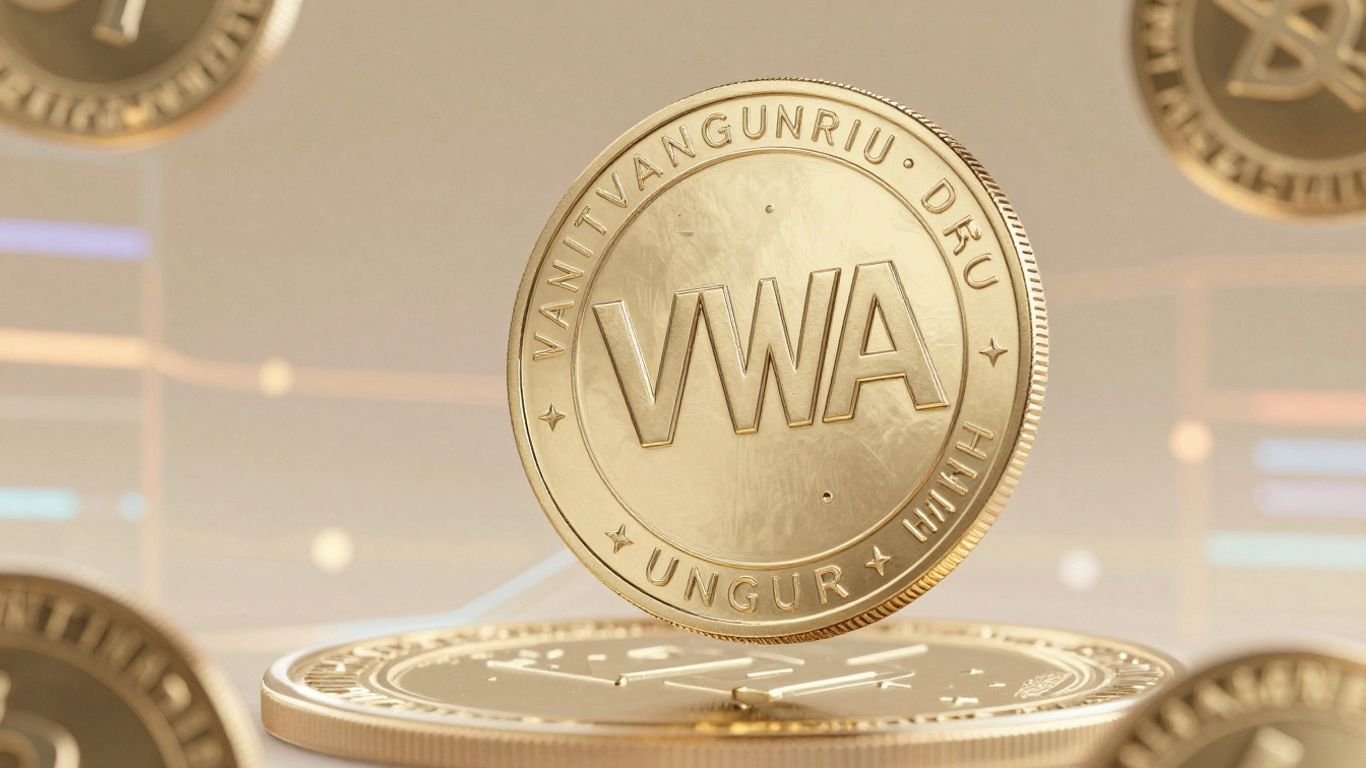
    VWA-Based Digital Assets

    Benefits and Risks of Investing in VWA Crypto Assets

    Investors are drawn to VWA-based assets because they offer a different approach compared to traditional cryptocurrencies. One advantage is reduced volatility, which helps traders avoid extreme losses during sudden market swings. Some tokens have shown price stability within a 5-10% range over the past few weeks. That is rare in crypto.

    Another benefit is transparency, as most VWA tokens rely on publicly available data for calculations. This allows investors to verify how the value is determined. Trust grows when systems are clear. It builds confidence.

    Investing in VWA assets carries risks. Algorithmic errors or poor design cause inaccurate valuations. Poor liquidity can quickly erode value and market trust.

    Here are some common risks investors consider before buying:

    – Dependence on accurate data sources for calculations

    – Limited adoption compared to major cryptocurrencies

    – Potential bugs in smart contracts

    – Low trading volume in the early stages

    Investors who ignore these risks often face unexpected losses. Careful research helps reduce exposure. Smart choices matter.

    Real-World Use Cases and Market Adoption

    VWA-based tokens are still in development, but some real-world use cases are emerging. One area is decentralized finance, where these tokens help create stable pools for lending and borrowing. A more stable asset reduces risk for both lenders and borrowers. It supports smoother transactions.

    Another use case involves portfolio tracking, where VWA tokens represent a basket of assets rather than a single coin. This allows investors to gain exposure to multiple cryptocurrencies through one token. It simplifies investment strategies. Many find this approach easier to manage.

    Adoption is still limited compared to mainstream cryptocurrencies, but interest is growing slowly. Some projects report a 20% increase in user activity within 6 months of launch. Growth takes time. Patience is needed.

    Large institutions have not yet fully embraced VWA tokens, but smaller investment groups and individual traders are experimenting with them. As awareness increases, more platforms may support these assets. The future remains uncertain.

    Future Potential of Value-Weighted Crypto Systems

    The future of VWA-based crypto assets depends on how well developers improve their systems and address existing challenges. Better algorithms and stronger data sources could increase reliability over time. As technology advances, accuracy is expected to improve. That builds trust.

    Regulation may also shape how these assets evolve, especially as governments focus more on digital finance. Clear guidelines could encourage more investors to participate. However, too many restrictions might slow innovation. Balance is necessary.

    Market competition will push projects to refine their models and offer better features. Only strong systems will survive in the long run. Weak ideas fade quickly. This is common in crypto.

    As more users seek stable yet flexible investment options, VWA tokens could fill an important gap between highly volatile coins and fully stable assets. Their success will depend on performance, trust, and real-world use. Time will reveal their true value.

    VWA-based crypto assets present a unique approach to managing value in digital markets. They combine data-driven calculations with blockchain technology to create structured pricing systems. While risks remain, ongoing development and growing interest suggest these assets may play a larger role in future financial ecosystems.

  • Understanding Market Downturns in the Cryptocurrency World

    Understanding Market Downturns in the Cryptocurrency World

    The digital asset market has seen rapid growth over the past decade, attracting millions of investors worldwide. Prices have risen sharply at times, creating excitement and strong belief in long-term gains. Yet, sudden drops have also shaken confidence and caused major losses. These sharp declines are often called a crypto crash and reveal the market’s volatility.

    What Causes Sudden Drops in Cryptocurrency Prices

    Several factors can trigger a sharp fall in crypto prices, and they often occur together rather than in isolation. One common reason is market speculation, in which investors buy based on hype rather than real value. When expectations fail, panic selling begins, pushing prices down fast. Fear spreads quickly.

    Government regulations also influence price movements, especially when major economies announce new rules or restrictions on digital assets. For instance, a sudden ban on crypto trading in a large country can remove billions from the market within hours, as was observed in 2021 when China tightened regulations on crypto mining. Investors reacted quickly to these changes.

    Another cause is liquidity issues, where there are not enough buyers to support the current price level. When large holders, often called whales, sell their assets in bulk, prices can drop rapidly. This creates a chain reaction, forcing smaller investors to sell as well. The market becomes unstable.

    Impact of Market Crashes on Investors and Platforms

    A market crash affects both individual investors and large trading platforms differently. Many new investors enter the market during a bull run and expect prices to keep rising, but a sudden drop can lead to heavy losses. Some people lose over 50 percent of their investment in a single week. It can be shocking.

    Some investors turn to trusted platforms or guides like Crypto Crash Insights to understand the situation better and manage risks during volatile periods. Access to timely information often helps people avoid emotional decisions. Knowledge matters more than speed.

    Crypto exchanges also face pressure during crashes, especially when trading volume spikes. Servers may slow down, and withdrawals can be delayed due to high demand. In extreme cases, some platforms temporarily stop transactions to prevent system failure. This creates further panic among users.

    The emotional impact is just as serious as the financial one. Many investors feel stress, regret, or fear when their portfolios shrink quickly. Some exit the market entirely. Others hold on, hoping for recovery. Reactions vary widely.

    Market Downturns in the Cryptocurrency

    Historical Examples of Major Crypto Market Crashes

    The crypto market has experienced several notable crashes over the years, each with unique causes and outcomes. One of the earliest was in 2013 when Bitcoin dropped from around $1,100 to under $200 within months. That was a massive fall. Many believed the market would never recover.

    Another major event occurred in early 2018 after the 2017 bull run, when Bitcoin fell from nearly $20,000 to below $4,000. Altcoins suffered even more, with some losing over 90 percent of their value. This crash lasted almost a year. It tested investor patience.

    The 2022 market crash brought new challenges, including the collapse of major crypto projects and lending platforms. Billions of dollars were wiped out in a matter of weeks. Trust in the system was shaken as some companies filed for bankruptcy. This event highlighted the risks of unregulated financial systems.

    Each crash teaches different lessons, but a common pattern remains clear. Prices rise quickly. Then they fall just as fast. Recovery takes time.

    How Investors Can Prepare for Market Volatility

    Preparing for volatility is essential for anyone involved in cryptocurrency trading or investing. One basic rule is to never invest more money than you can afford to lose. This reduces emotional stress during downturns. It helps maintain clear thinking.

    Diversification is another useful strategy, in which investors spread their funds across different assets rather than relying on a single coin. This approach reduces risk when one asset performs poorly. For example, holding a mix of Bitcoin, Ethereum, and stablecoins can provide balance during uncertain periods.

    Here are a few practical steps investors often follow to manage risk:

    – Set clear profit and loss limits before entering a trade

    – Avoid making decisions based on social media hype

    – Keep a portion of funds in stable assets

    – Stay updated with market news and global events

    Long-term thinking also plays a key role in managing volatility, as short-term price swings are common in crypto markets. Investors who focus on long-term growth tend to handle crashes better than those seeking quick profits. Patience is powerful.

    The Future Outlook After a Market Crash

    After every major downturn, the crypto market has shown signs of recovery, though the pace and scale vary. New technologies continue to emerge, attracting developers and investors alike. Innovation drives interest. Growth follows slowly.

    Institutional involvement has increased in recent years, bringing greater stability than in earlier periods. Large financial firms now invest in crypto, adding credibility to the market. This does not remove risk, but it changes the landscape. The market evolves.

    Regulation is expected to grow stronger in the coming years, which could help reduce fraud and improve investor protection. Clear rules often build trust among users and institutions. Still, too many restrictions may limit innovation. Balance is needed.

    Market cycles are likely to continue, with periods of growth followed by corrections. Understanding this pattern helps investors stay realistic and avoid panic during downturns. Experience makes a difference.

    The crypto market remains unpredictable, but it continues to attract attention and investment worldwide. Crashes are part of the journey, shaping stronger systems and smarter investors over time. Those who stay informed and cautious often navigate these challenges better than those driven solely by emotion.

  • A Detailed Look at Emerging Digital Reserve Tokens in Crypto

    A Detailed Look at Emerging Digital Reserve Tokens in Crypto

    The cryptocurrency space continues to introduce new digital assets for various purposes. Reserve-based tokens stand out for their unique structure and potential role in financial systems, aiming to represent stored value or reserves transparently. As interest grows, more investors are exploring these assets and their offerings.

    Understanding the Concept Behind Reserve-Based Crypto Assets

    Reserve-based crypto assets are designed to maintain their value by linking their value to underlying reserves, such as fiat currency, commodities, or other digital assets. This structure helps reduce volatility compared to highly speculative tokens. Stability attracts cautious investors. It builds confidence.

    For example, a project might hold $10 million in reserves and issue tokens based on that amount, creating a clear relationship between the supply and its backing. This model allows users to verify the asset’s value through audits or blockchain transparency tools. Trust depends on accurate reporting. Numbers matter.

    These systems seek a balance between traditional stablecoins and volatile cryptocurrencies. Developers aim for both growth potential and stability, but outcomes vary across projects.

    How USCR-Based Tokens Operate in the Market

    USCR-based tokens typically use a reserve-backed approach, in which each token represents a portion of a larger stored-value pool. These reserves may include digital currencies, fiat deposits, or a mix of both, depending on the project’s structure. The goal is to maintain a predictable value range over time. Stability remains a priority.

    Many investors monitor platforms like uscr crypto listings to track performance, supply metrics, and price changes in real-time. Access to updated data allows traders to understand how reserve-backed systems react during both stable and volatile periods. Information guides decisions.

    Smart contracts—self-executing programs on blockchains—often manage these tokens, automatically adjusting supply or validating reserves without a person needing to act. This reduces the risk of manipulation but does not remove it entirely. System reliability depends on the accuracy of coding. Errors can occur.

    Some projects update reserve data every 12 or 24 hours for transparency and investor trust. Regular updates boost confidence, while delays can create doubt.

    Digital Reserve Tokens in Crypto

    Benefits and Limitations of Reserve-Backed Tokens

    One major advantage of reserve-backed tokens is reduced price volatility compared to traditional cryptocurrencies like Bitcoin. Investors looking for stability often prefer assets that do not swing wildly in a single day. Price consistency helps. It lowers stress.

    Another benefit is transparency, as projects often publish reserve data for verification. This lets users check if the token is properly backed. Open data builds trust.

    There are also limitations that investors must consider before entering this market. If reserve management is weak or audit reliability is poor, the token may quickly lose credibility. Trust can disappear overnight. Risk remains.

    Here are some common limitations investors evaluate:

    – Dependence on accurate reserve reporting

    – Limited adoption compared to major cryptocurrencies

    – Risk of centralized control over reserves

    – Possible delays in updating reserve data

    Understanding these points helps investors make informed decisions. Ignoring them can lead to losses. Care is necessary.

    Real-World Applications and Adoption Trend Reserve-backed tokens are slowly finding their place in real-world financial applications, especially in decentralized finance (DeFi) platforms—digital systems running on blockchains that provide financial services without traditional banks. These assets can be used for lending, borrowing, and trading with reduced volatility. Stability improves usability. It supports growth.th.

    Some projects report a 15 percent increase in user activity after introducing reserve transparency features, showing that investors value clear backing information. This trend suggests growing demand for safer crypto options. Adoption is gradual. Progress takes time.

    Businesses are also exploring these tokens for cross-border payments, as they can enable faster transactions than traditional banking systems. Lower fees add to their appeal. Speed matters. Efficiency improves.

    Despite these developments, mainstream adoption remains limited compared to that of established cryptocurrencies. Many investors remain cautious due to trust concerns and regulatory uncertainty. Growth depends on credibility. Time will tell.

    Future Outlook for Reserve-Based Crypto Systems

    The future of reserve-based crypto systems depends on how well projects maintain transparency and build trust with users. Strong auditing systems and regular updates can improve credibility over time. Trust is essential. Without it, systems fail.

    Regulation is expected to play a larger role, especially as governments focus on digital assets linked to real-world value. Clear rules may encourage institutional participation. Too many restrictions could slow innovation. Balance is required.

    Technology improvements will also shape the development of these tokens, as more advanced smart contracts and data-tracking systems can reduce errors and improve efficiency. Accuracy builds confidence. Systems evolve.

    As the crypto market matures, reserve-backed tokens may become more common, offering an alternative to both volatile assets and traditional stablecoins. Their success will depend on performance, trust, and adoption across different sectors.

    Reserve-based digital assets continue to develop as the market seeks stability and transparency in a complex environment. Their role may expand as trust improves and technology advances, offering investors another option in a space known for rapid change and uncertainty.

  • Hello world!

    Welcome to WordPress. This is your first post. Edit or delete it, then start writing!