The cryptocurrency market continues to evolve with new tokens and concepts appearing every year. Among these emerging ideas, VWA-based assets have attracted the attention of traders and analysts. Many investors are curious about how these assets work and what makes them different from traditional coins. Understanding their structure and purpose helps in making informed decisions in a highly volatile market.
What Is VWA and how does it connect to Crypto
VWA often refers to value-weighted assets, which are designed to reflect a balanced or calculated value based on multiple factors. In the crypto space, this concept is used to create tokens that track specific metrics rather than relying solely on price movement. These metrics can include trading volume, liquidity, or market demand over a defined period. This creates a more stable structure compared to many speculative tokens.
Developers design such assets to reduce extreme volatility, which is common in cryptocurrencies like Bitcoin or Ethereum. For example, a VWA token might adjust its value every 24 hours based on real-time trading data. This process aims to smooth out sudden price swings. Stability becomes a key feature.
The idea is not entirely new, but its application in blockchain technology has opened new doors. Projects are experimenting with different formulas and mechanisms to refine how value-weighted systems operate. Some succeed. Others fail quickly.
How VWA-Based Tokens Function in the Market
VWA-based tokens operate through algorithms that calculate value based on multiple inputs rather than relying on simple supply and demand. These inputs may include trading activity, liquidity pools, and external data feeds. This makes their pricing model more complex than standard cryptocurrencies. It also adds a layer of predictability.
Many traders check platforms like VWA crypto listings to track performance and understand how these tokens behave in real-time market conditions. Access to updated data helps investors make better decisions during volatile periods. Information matters.
One key feature is automatic adjustment, where the token recalculates its value at set intervals, such as every hour or daily. This system reduces sudden spikes caused by panic buying or selling. Still, it does not remove risk entirely. No system can do that.
Smart contracts play a major role in this process, as they handle the calculations and updates without human intervention. These contracts follow strict rules written in code. If the data input is flawed, the outcome may also be affected. Accuracy is critical.
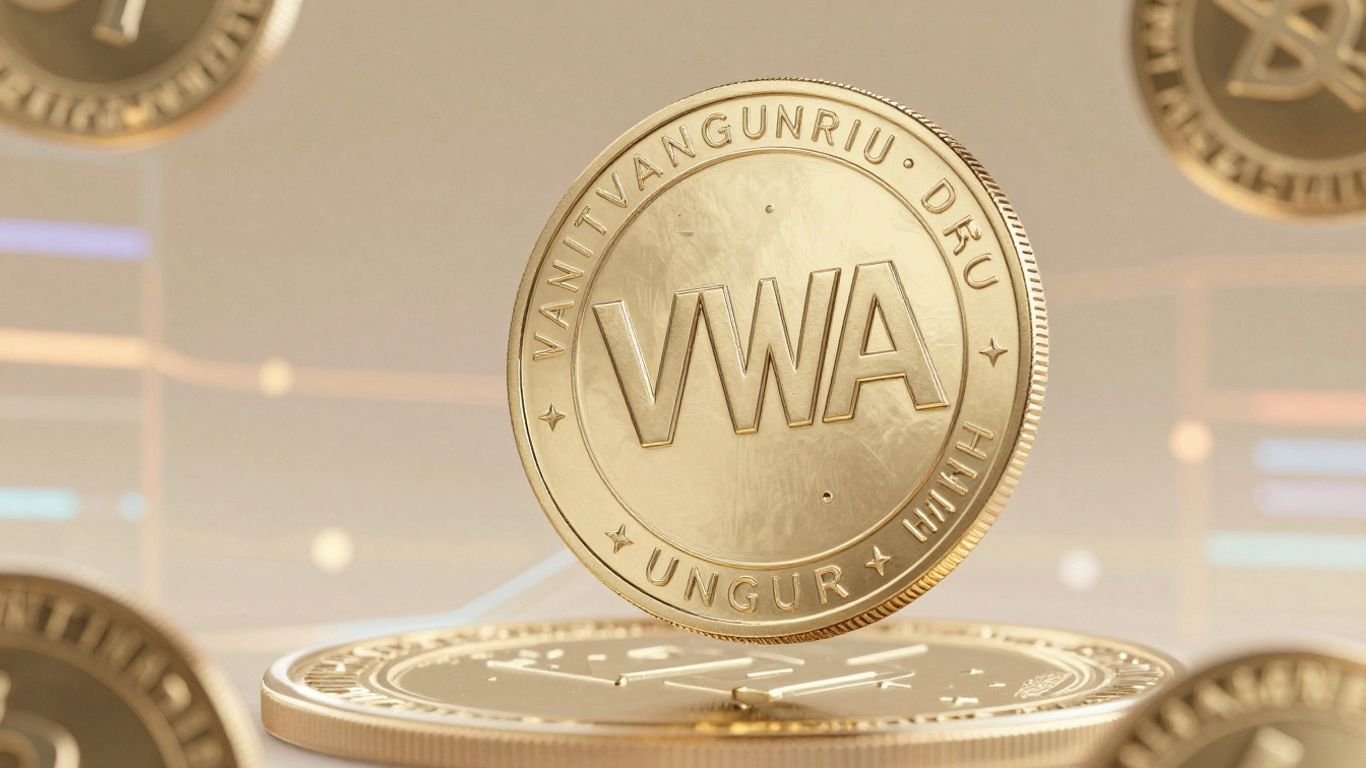
Benefits and Risks of Investing in VWA Crypto Assets
Investors are drawn to VWA-based assets because they offer a different approach compared to traditional cryptocurrencies. One advantage is reduced volatility, which helps traders avoid extreme losses during sudden market swings. Some tokens have shown price stability within a 5-10% range over the past few weeks. That is rare in crypto.
Another benefit is transparency, as most VWA tokens rely on publicly available data for calculations. This allows investors to verify how the value is determined. Trust grows when systems are clear. It builds confidence.
Investing in VWA assets carries risks. Algorithmic errors or poor design cause inaccurate valuations. Poor liquidity can quickly erode value and market trust.
Here are some common risks investors consider before buying:
– Dependence on accurate data sources for calculations
– Limited adoption compared to major cryptocurrencies
– Potential bugs in smart contracts
– Low trading volume in the early stages
Investors who ignore these risks often face unexpected losses. Careful research helps reduce exposure. Smart choices matter.
Real-World Use Cases and Market Adoption
VWA-based tokens are still in development, but some real-world use cases are emerging. One area is decentralized finance, where these tokens help create stable pools for lending and borrowing. A more stable asset reduces risk for both lenders and borrowers. It supports smoother transactions.
Another use case involves portfolio tracking, where VWA tokens represent a basket of assets rather than a single coin. This allows investors to gain exposure to multiple cryptocurrencies through one token. It simplifies investment strategies. Many find this approach easier to manage.
Adoption is still limited compared to mainstream cryptocurrencies, but interest is growing slowly. Some projects report a 20% increase in user activity within 6 months of launch. Growth takes time. Patience is needed.
Large institutions have not yet fully embraced VWA tokens, but smaller investment groups and individual traders are experimenting with them. As awareness increases, more platforms may support these assets. The future remains uncertain.
Future Potential of Value-Weighted Crypto Systems
The future of VWA-based crypto assets depends on how well developers improve their systems and address existing challenges. Better algorithms and stronger data sources could increase reliability over time. As technology advances, accuracy is expected to improve. That builds trust.
Regulation may also shape how these assets evolve, especially as governments focus more on digital finance. Clear guidelines could encourage more investors to participate. However, too many restrictions might slow innovation. Balance is necessary.
Market competition will push projects to refine their models and offer better features. Only strong systems will survive in the long run. Weak ideas fade quickly. This is common in crypto.
As more users seek stable yet flexible investment options, VWA tokens could fill an important gap between highly volatile coins and fully stable assets. Their success will depend on performance, trust, and real-world use. Time will reveal their true value.
VWA-based crypto assets present a unique approach to managing value in digital markets. They combine data-driven calculations with blockchain technology to create structured pricing systems. While risks remain, ongoing development and growing interest suggest these assets may play a larger role in future financial ecosystems.
Leave a Reply