Category: Uncategorized

  • Understanding the Influence and Ideas Around Egrag in Crypto Analysis

    Understanding the Influence and Ideas Around Egrag in Crypto Analysis

    The crypto market is full of analysts, traders, and commentators who try to interpret price movements and long-term trends. Among these voices, certain individuals gain attention for their technical chart interpretations and bold predictions. One such name, often discussed in online crypto communities, is Egrag. His work mainly focuses on chart patterns and long-term market direction, forming a distinct voice in the broader analytical landscape.

    Who Egrag Is in the Crypto Space

    Egrag is known in the crypto community as a technical analyst who shares insights based on chart patterns and market structure. He is especially active on social platforms where traders gather to discuss price predictions. Unlike some analysts who emphasize fundamental data, his focus is on visual patterns in price history. Charts are his main tool, and this approach distinguishes his commentary.

    Many followers follow his analysis because it often includes long-term projections for major cryptocurrencies. These projections are usually based on historical price cycles and technical formations rather than short-term speculation. Some traders find this helpful for planning strategies, while others treat it as an opinion-based interpretation. Markets remain uncertain. Always uncertain.

    His presenHis presence in the crypto space has grown because retail traders often seek simplified interpretations of complex price behavior. When large assets move sharply, analysts like Egrag attempt to explain potential reasons using charts and indicators. This dynamic creates discussion and sometimes debate among followers, linking his analysis directly to evolving community conversations. Interpretation varies widely. Reactions and Community Attention Around Egrag Crypto

    The phrase “egrag crypto” often appears in discussions of Bitcoin or altcoin cycles. His charts are shared across forums and social media, where users compare predictions and outcomes. As with other prominent analysts, some agree with his bullish or bearish views, while others remain skeptical. The crypto space is highly divided, and these differing reactions drive ongoing conversation. Analysis often focuses on long-term breakout scenarios or deep correction possibilities. These types of predictions attract attention because they suggest major future price changes rather than small daily movements. Traders who prefer long-term holding strategies may find this approach useful. Short-term traders may not.

    Community reactions to his ideas can vary depending on market conditions. When predictions align with price movement, followers tend to increase engagement and share his work more widely. However, when markets move against expectations, criticism also rises. This cycle is common in crypto analysis communities, reinforcing the dynamic and sometimes polarized nature of online discussion. ders use his charts as one of many tools rather than a single source of truth. They combine technical analysis from multiple analysts to form a broader view of the market. This helps reduce reliance on one opinion. Diversification of analysis matters.
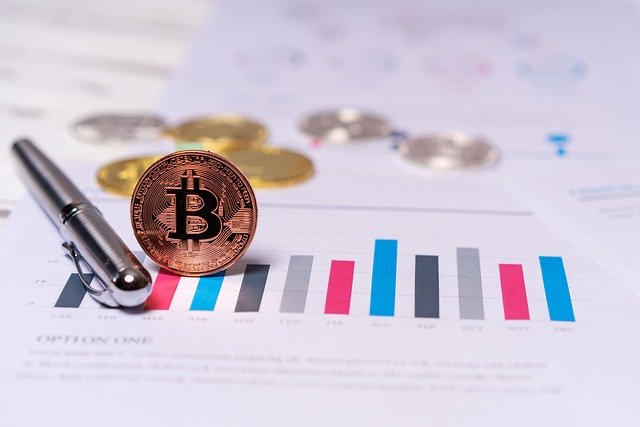
    Egrag in Crypto Analysis

    Technical Analysis Style and Methodology

    Egrag relies on technical indicators, chart patterns, and historical price cycles. He studies long-term formations like channels, waves, and breakout zones, building narratives about possible future directions. The method is structured but interpretive.

    His analysis compares past cycles with current price action to forecast outcomes. Crypto markets don’t always repeat patterns, making predictions uncertain. History rhymes, but rarely repeats perfectly.

    He often uses visual charts with highlighted zones, simplifying complex data for retail traders. Interpretation still depends on the viewer’s experience. Misreading charts can lead to wrong assumptions.

    • Focus on long-term patterns.
    • Use of historical comparisons
    • Heavy reliance on chart structures
    • Community-driven interpretation

    These elements define how his analysis is usually presented and consumed. Traders often discuss these points when evaluating their forecasts, and this comparison adds depth to ongoing debates about technical versus fundamental approaches. Some find value in the structured approach, while others prefer fundamental analysis or on-chain data instead. Different methods suit different strategies.f Influencers Like Egrag on Crypto Traders

    Crypto analysts can shape how retail traders think about the market. Egrag is one example of a figure whose ideas circulate widely during important market phases. His projections sometimes create excitement or caution, depending on the direction. Emotional response is common in trading.

    Confident, chart-backed predictions may lead traders to adjust positions, increasing short-term buying or selling. Experienced traders remind others that no analyst can control outcomes. The market is unpredictable.

    Social media amplifies the reach of analysts like Egrag. A single chart can be shared thousands of times within hours, influencing sentiment across different regions. The speed at which information spreads both creates opportunities and causes confusion. Fast information is not always accurate.

    Over time, traders learn to filter opinions and focus on risk management instead of predictions alone. Even strong analysis should be treated as one perspective among many. Markets can shift due to unexpected global events or changes in liquidity. Flexibility is essential. Egrag shows how technical analysis can gain influence in digital markets. His work is one of many voices shaping sentiment. Understanding his role helps explain how online communities interpret price moves in a volatile environment.ghly volatile environment. Key takeaway: Recognize the influence of diverse analytical voices.

  • How to Find and Evaluate Top Crypto Casinos Recommended by Reddit Users

    How to Find and Evaluate Top Crypto Casinos Recommended by Reddit Users

    Crypto casinos have become popular as digital currencies gain traction in online gambling. Many people use Reddit to find honest user experiences and recommendations. These forums provide tips, warnings, and player feedback rarely found in ads. With so many choices, a guide helps navigate recommendations and select a trustworthy platform.

    Popular Crypto Casino Talk on Reddit

    When users on Reddit discuss gambling with digital assets, they often compare platforms based on user experience and payouts rather than flashy marketing. Many threads focus on the best crypto casino Reddit has recommended in recent years, outlining the advantages and disadvantages of each. These conversations include personal stories about ease of use, customer service interactions, and the fairness of games. Users also highlight specific features, such as quick withdrawals or low fees, that matter when gambling with Bitcoin, Ethereum, or stablecoins.

    Reddit threads also often discuss safety and trust. People share warnings about unreliable sites, unresponsive support, or bonus terms that feel unfair. These discussions help new players feel more confident in their choices by showing what others have experienced. When a platform consistently receives positive feedback on Reddit, it often indicates it has earned a degree of trust among players.

    Some Reddit users also create detailed comparison charts that include deposit methods, minimum bets, and supported cryptos. This type of community‑generated information can be more detailed and practical than official reviews. The group dynamic encourages fair sharing of both wins and losses.

    Key Features to Look for in Crypto Casinos

    When choosing a crypto casino, you should look beyond flashy bonuses and promises of huge wins. Fundamental features like security, license status, and transparent terms matter a lot. A good crypto casino should clearly explain how it protects user funds and personal data.

    Game selection is another important feature. Casinos with a variety of games — such as slots, table games, and live dealer options — allow players to switch things up if their interests shift. A site with only a handful of games might not keep a player entertained for long, so diversity in offerings is often highlighted in Reddit recommendations.

    Fast, reliable withdrawals are a top concern on Reddit. If you deposit Bitcoin or another currency, you want quick cashouts with low limits and no long waits. Some sites process crypto withdrawals quickly; others take days. User feedback helps set realistic expectations.

    Lastly, customer support quality is frequently mentioned. A good casino should offer responsive support via live chat or email. People on Reddit often post about their support experiences, both good and bad, which helps others decide whether to deposit real funds.

    Understanding Crypto Casino Bonuses and Rewards

    Bonuses and promotions attract new players but often have strings attached. Platforms offer welcome bonuses, free spins, or cashback, but terms vary. For example, some require wagering the bonus many times before withdrawing winnings. Reddit threads often compare terms, so players know what to expect.

    Some users emphasize that no‑deposit bonuses are especially attractive. These bonuses let players try out games with a small amount of free credits just for signing up. Even though the amounts are usually small, they allow for risk‑free exploration of the casino’s offerings. Seeing these offers evaluated by real users can help decide if they are worth pursuing.

    Loyalty programs and VIP rewards are shared topics. Redditors discuss the time required to reach VIP tiers and the value of rewards, helping others choose platforms that match their playing style.

    Top Crypto Casinos Recommended by Reddit Users

    Safety and Regulation Issues in Crypto Gambling

    Safety should be a top priority for anyone gambling online. Crypto casinos are not always regulated the same way as traditional online casinos, which can create risks. Some sites operate under licenses from jurisdictions with varying degrees of oversight. This means that understanding the difference between a reputable and questionable platform is essential.

    Many Reddit threads warn about casinos with poor reputations for withholding winnings or ignoring disputes. Players share how they resolved issues, or if they were unable to resolve them at all. These stories help others avoid similar problems in the future. Forums often compile lists of trusted and untrusted sites based on community experience.

    Another safety consideration is the use of provably fair games. These are games whose outcomes can be independently verified on the blockchain or through other cryptographic proofs. Players often praise casinos that support provably fair systems because they can confirm that outcomes are not manipulated. Reddit users tend to recommend these platforms more often because of their transparency.

    Payment Methods and Cryptocurrencies Supported

    An important part of evaluating crypto casinos is checking which currencies they support. Bitcoin is the most widely accepted, but Ethereum, Litecoin, and stablecoins like USDC are increasingly common. Some casinos also accept more niche tokens, which may appeal to specific communities. Discussions on Reddit often focus on which tokens players prefer and why.

    Fees and transaction speeds matter too. Crypto transactions can offer faster deposits and withdrawals compared to traditional banking. However, fees can vary depending on the currency and network congestion. Some casinos absorb part of the fees or offer fee rebates for certain tokens. User experiences with these features are regularly shared and debated online.

    Wallet compatibility is another topic of interest on Reddit. People often talk about the wallets they use to store or transfer crypto for gambling, such as hardware wallets or mobile wallets. Ease of transferring funds between wallets and casino accounts affects the user experience and can influence which platforms players recommend.

    Strategies for Responsible Crypto Gambling

    While cryptoWhile crypto gambling can be exciting, it carries risk just like any form of betting. Many Reddit users emphasize the importance of responsible play. Setting budgets and sticking to them is a common suggestion. This helps prevent chasing losses with larger bets, a behavior that can quickly lead to financial stress. The key takeaway is to always set and follow personal betting limits.

    The strategy discussed is dividing funds across multiple platforms. This lets players test different sites without putting all their funds in one place. It also allows players to experience a variety of game offerings and bonus structures, which can be helpful when making long‑term decisions.

    Tracking wins and losses is another common practice. Using spreadsheets or apps helps players notice betting trends. Awareness can prevent overspending and encourage mindful gambling.

    Community Insights on Long‑Term Value

    Some crypto casinos are praised for delivering long‑term value to players beyond short‑term bonuses. These platforms often focus on building strong ecosystems, integrating social features, or hosting events with larger prize pools. Reddit users share how certain events impacted their engagement or increased their total play value. Longer‑term activities can encourage community loyalty more than one‑time promotions. The main takeaway is to consider platforms that invest in ongoing value rather than just immediate rewards.

    Rumors  include posts about annual or seasonal challenges offered by certain sites. These challenges may offer larger prizes or exclusive rewards, and players often review whether the effort was worth it. These reviews help others decide whether to participate in similar events on other platforms. Discussion can be lively around these topics because the stakes and excitement levels are higher.

    One strategy that some players mention is watching how casinos handle updates and feedback. Platforms that listen to user requests and improve features over time tend to keep more loyal communities. This responsiveness can be a sign of a platform that values long‑term users rather than short‑term profits. Feedback loops like these make Reddit a valuable space for gauging user satisfaction and future potential.

    Common Myths and Misunderstandings

    There are several myths about crypto casinos that appear frequently in online discussions. One is the belief that crypto casinos are inherently unregulated and unsafe. While some are poorly managed, others operate under licenses and follow strict compliance rules. The presence of a license and transparent operations often gets highlighted in user conversations.

    Another myth is that crypto gambling always leads to rapid losses due to volatility. For most players, results depend on how they manage their funds and strategies. The value of the underlying tokens does fluctuate, but responsible budget planning helps mitigate that risk. Users often discuss practical ways to separate bankroll management from token price swings, keeping gambling behavior separate from market speculation.

    One final miOne final misconception is that all crypto casinos are the same. Each platform can vary significantly in terms of games, rewards, fees, and community culture. Browsing Reddit threads often reveals that players prioritize different features, so what works well for one person might not suit another. Hearing multiple viewpoints helps form a balanced understanding. The core takeaway is to compare platforms thoughtfully and choose based on your own needs. inos offer a blend of online gambling excitement with the convenience of digital currencies. By reading real user experiences, focusing on safe practices, and understanding how different platforms operate, players can make more informed choices. Communities like Reddit provide diverse perspectives and valuable insights that help guide decisions and reveal long‑term value in the evolving crypto gambling space.

    Choosing the right crypto casino involves more than just picking a popular name. Consider safety, supported tokens, user reviews, and responsible gambling strategies to make choices that align with your goals and comfort level. Staying informed empowers you to enjoy gaming while protecting your digital assets.

  • Understanding BFS Crypto and Its Role in Blockchain Markets

    Understanding BFS Crypto and Its Role in Blockchain Markets

    Cryptocurrency has grown into a diverse space with thousands of digital assets and unique tokens. Among the myriad of tokens, BFS crypto has emerged as a point of interest for traders and blockchain observers. This topic connects to trends in decentralized finance, token utility, and emerging ecosystems across networks like Solana. Exploring what makes BFS noteworthy involves examining its fundamentals, community sentiment, market behavior, and future prospects together.

    What BFS Crypto Represents in the Digital Asset Space

    BFS crypto is a digital token in the context of innovative blockchain assets moving beyond payment functions. Discussed alongside tokens on high‑speed networks like Solana, these platforms offer low transaction costs and fast confirmation times that benefit decentralized applications and token communities. The token has been included in conversations about network utility and potential use cases within specific ecosystems, such as trading, staking, or liquidity provision.

    While some tokens focus on a single application, BFS has been mentioned in detailed listings and digital wallets that show its balance and transfer activity. For example, many users check assets in wallets that support Solana‑based tokens, and such listings reveal how frequently the token is traded and held. One way to track this activity is through online dashboards and token explorers that display real‑time market data, which can help new holders understand how active the token’s community has become.

    Token utility is central to understanding the appeal of cryptocurrencies like BFS. Unlike earlier digital currencies that mainly stored value, new tokens support features such as governance, reward distribution, or access to platform functions. Real market behavior offers insight into perceived value and market confidence.

    Tracking Token Performance and Market Data

    Understanding a token’s price movements and trading volume is key to understanding its place in crypto markets. When investors track a specific asset, they look at metrics such as price history, daily volume, and market capitalization to gauge investor interest. These metrics help them determine whether a token is gaining or losing traction among traders.

    One way traders follow these metrics is by using wallets and market tools that support the specific network the token lives on. For example, users may check prices, recent trades, and wallet balances alongside other Solana tokens to see how BFS compares within that ecosystem. Accurate data enables users to make informed decisions about entry and exit points in trading.

    Price volatility is common with digital assets, and BFS is no exception. Significant daily swings reflect shifting sentiment or broader market news. Investors who consider on‑chain data, social sentiment, and macroeconomic indicators gain a broad view of trends beyond price charts alone.

    BFS Crypto and Its Role in Blockchain Markets

    Utility and Use Cases of the Token

    Understanding why a token exists helps clarify its potential utility beyond speculation. Some cryptocurrencies are designed for specific applications, such as decentralized finance (DeFi), gaming, or access to platform services. The role that a token plays within its network influences how users adopt and use it in practical scenarios.

    In the case of tokens used on networks like Solana, high throughput and low fees encourage broader usage for applications that require frequent transactions. This environment supports tokens that reward user participation, secure staking activities, or facilitate governance decisions. Users often consider these functions when deciding how valuable a token could become over time.

    For example, a token with mechanisms like voting rights or staking rewards can attract long‑term holders. These features shape community perception of a token’s value and sustainability. Projects with clear applications encourage ongoing holder engagement and can influence price stability.

    Community and Ecosystem Development

    The success of a crypto token often depends on its community and the ecosystem that grows around it. Projects with strong developer participation and active social networks are more likely to adapt and survive market challenges. Communities form around shared goals, technical improvements, and collaborative development efforts.

    Community forums, social media groups, and developer channels provide spaces where holders can share updates, report issues, and propose enhancements. A strong, engaged community typically sustains interest in a token, even during market downturns. In contrast, assets with limited interaction may see a rapid decline in participation when price pressure increases.

    Conferences, hackathons, and ecosystem events also help build momentum for tokens that participate in decentralized finance or blockchain development. When developers build new applications that use a token, the community can expand beyond its initial group of supporters. Over time, this growth may help establish stronger networks and wider recognition among blockchain users.

    Risk Management and Market Volatility

    Cryptocurrency investing carries significant risk, especially for tokens with limited performance history or low market capitalization. Price volatility is common, and rapid price swings can lead to substantial gains or losses in a short period. Therefore, cautious evaluation and risk management strategies are essential for any investor.

    Risk management often involves diversifying holdings rather than concentrating wealth in a single token. Investors may spread their exposure across multiple assets to reduce the impact of a single token’s decline on their overall portfolio. Tools such as stop‑loss orders and position sizing help protect against unexpected market shifts.

    Another important aspect of risk management is staying informed about regulatory developments. Changes in government policies or new legal frameworks can impact token markets and individual tokens in unpredictable ways. By tracking regulatory news and market signals, investors can adapt their strategies to evolving conditions and avoid rash decisions driven solely by emotion.

    Comparing Tokens and Market Positioning

    Comparing tokens within the same ecosystem provides insight into relative strength and growth potential. When several assets operate on a network like Solana, evaluating differences in utility, adoption, and community support can help determine which tokens hold more long‑term promise. Investors often use comparison tools to see how metrics such as total value locked (TVL) and active addresses vary across assets.

    Some tokens may be used predominantly for governance, while others serve as utility tokens for application fees or incentives. Understanding these differences helps investors align portfolios with their risk profile and investment goals. A token with broad use cases and increasing adoption may present a different risk‑reward profile than one held mainly for speculative purposes.

    Chart performance over multiple timeframes also helps traders see trends. While short‑term price spikes can attract attention, long‑term growth patterns may better reflect a token’s stability and real utility. Careful analysis over weeks, months, and years can give a clearer picture of where a token fits in the broader market landscape.

    Future Prospects of Emerging Crypto Tokens

    Emerging tokens like BFS may have potential if they attract real use cases and sustained interest from developers and users. Innovation in blockchain applications continues to drive demand for tokens that support smart contract activity, decentralized finance, and other digital services. The future of such tokens often depends on practical adoption and network growth.

    Adjacent technologies such as layer‑2 scaling solutions, cross‑chain bridges, and improved wallet interoperability may also shape how tokens gain traction. These developments can make certain networks more appealing to developers and users, which, in turn, may influence the value and utility of the tokens associated with those platforms. Investors often closely monitor these technological trends when evaluating future prospects.

    Collaborations between projects and integration into decentralized finance platforms can also boost visibility and usage. When tokens become part of a broader network of protocols, they may benefit from shared liquidity and user engagement. Over time, this can support more stable ecosystems and improved market confidence.

    Education and Ongoing Research

    For anyone interested in tokens like BFS and similar assets, continuous learning is vital. Blockchain technology evolves rapidly, and new developments may affect how tokens are perceived and used. Keeping up with research, white papers, and analytical reports helps investors understand the rationale behind project design and market behavior.

    Workshops, online courses, and community discussions provide forums where users can enhance their knowledge and exchange ideas. Proactive learning equips individuals with tools to interpret market signals more effectively and make reasoned investment choices. Education also helps reduce the influence of speculation and hype on decision‑making.

    Staying informed about security best practices is also critical. Protecting private keys, using secure wallets, and avoiding phishing attacks are essential habits for anyone active in the crypto space. Awareness of technological and security trends supports a safer long-term engagement with digital assets.

    BFS crypto and related digital assets reflect the complex blend of technology, finance, community, and innovation shaping modern markets. Understanding their place requires careful analysis of fundamentals, market behavior, ecosystem development, and risk factors. With thoughtful research and cautious strategy, individuals can approach emerging trends with both curiosity and confidence.

    Each cryptocurrency project has unique qualities that influence its potential and risk profile. By observing data, community activity, and real use cases, you can interpret market trends more effectively and make decisions tailored to your own goals and risk tolerance.

  • How to Understand the Latest Crypto Trends and What They Mean

    How to Understand the Latest Crypto Trends and What They Mean

    Cryptocurrency markets continue to evolve and attract the attention of traders, investors, and analysts worldwide. Each month seems to bring new tokens, shifting prices, and fresh ideas about where the market is heading. Enthusiasts watch trends and news, hoping to spot patterns that could signal opportunities or risks. One such trend topic gaining attention recently involves a mix of data analysis and market signals affecting various crypto assets.

    Examining Recent Trend Reports and Data Signals

    Crypto trend reports often compile trading volume, price movements, and other metrics to help observers understand where interest is building or declining. One of the topics people are discussing in analytical circles is RipRoar’s latest crypto trends, which analyze data and narratives shaping investor sentiment across multiple digital assets. These resources aim to offer a snapshot of what markets are doing now and where some analysts think activity is heading.

    Trend tables often include metrics such as 24‑hour trading volume, weekly price changes, and active addresses on key networks. Observers use this information to gauge momentum in specific tokens or sectors, such as decentralized finance (DeFi) and nonfungible tokens (NFTs). Large volume movements in certain assets can indicate increased participation or news‑driven reactions.

    Reports also sometimes chart sentiment indicators derived from social media or trading platforms, showing how bullish or bearish the community is on key assets. By comparing quantitative data with narrative signals, traders try to form a more complete picture of market direction. This blend of metrics and sentiment helps reveal trends that simple price charts may not show clearly.

    Why Trend Analysis Matters in Crypto Markets

    Trend analysis is a key element for anyone interested in crypto markets, as they are driven by both data and perception. Unlike traditional markets, where fundamentals like earnings and economic output dominate, crypto prices often respond to shifts in sentiment and speculation. Understanding patterns can help investors decide when to enter or exit positions.

    Seasonal trends may also play a role. For example, some tokens historically see increased activity during certain months or in reaction to specific calendar events. Traders often compile historical performance data to identify recurring patterns, though past performance does not guarantee future results. Still, historical analysis offers context that can be useful when navigating complex markets.

    Beyond timing, trend analysis helps investors manage risk. By identifying which assets are gaining attention and which are losing momentum, traders can make informed decisions about portfolio allocation. For example, a token that shows rising activity across a range of metrics may warrant closer monitoring than one that shows little change.

    Tools and Techniques Used for Trend Monitoring

    There are many tools available for tracking crypto trends, from simple price charts to advanced analytics platforms. Popular tools include on-chain analytics dashboards that show transaction flows and address activity on blockchains. These tools help users see how network usage evolves over time, which can signal interest in particular assets or applications.

    Another common approach is sentiment analysis, which assesses the tone and volume of social media posts about specific tokens. Tools that aggregate mentions and sentiment scores can show when public attention spikes. Sharp increases in discussion often precede price volatility, as both retail and institutional participants react to news or rumors.

    Technical analysis remains widely used, focusing on patterns and indicators within price charts. Metrics such as moving averages, relative strength index (RSI), and support and resistance levels help traders visualize momentum. Combining technical indicators with trend data and market news provides a multifaceted view of current conditions.

    Major Crypto Market Drivers Today

    Understanding Major trend drivers include technological upgrades—such as performance enhancements from network updates—which can boost a blockchain’s appeal and attract new interest. Identifying how these drivers move markets provides clearer context for why certain tokens stand out.evelopments also shape trends. Announcements from governments or financial authorities about digital asset policies can swing markets quickly. For example, news of regulatory approval for a major exchange‑traded fund (ETF) or tighter trading rules can cause rapid shifts in prices and volumes. Investors watch these signals closely.

    Institutional interest is another major driver. When large financial firms announce their involvement in crypto markets, many retail investors view it as validation of crypto markets’ long‑term potential. This can lead to increased trading activity across multiple assets. Observing how institutional flows interact with retail sentiment offers deeper insight into trend dynamics.

    Case Studies: Tokens That Show Strong Trends

    Several tokens have recently shown clear trend patterns worth exploring. For instance, some layer‑1 blockchains have seen increased activity due to rising usage of their decentralized applications. Increased transaction volume can signal that users are finding utility in those ecosystems, which may translate to investor interest.

    Another example involves tokens tied to the decentralized finance space. Some DeFi tokens see price upticks when borrowing and lending activity increases across platforms. Traders interpret higher total value locked (TVL) in DeFi apps as a signal of confidence in those protocols. These metrics often appear alongside broader trend data in analytical reports.

    Utility tokens connected to real‑world asset tokenization have also drawn attention, especially when paired with narratives about bridging traditional finance and crypto. These assets sometimes exhibit trend-following behavior that reflects broader market optimism about digital asset innovation. Watching how these trends evolve over weeks and months helps users understand market cycles.

    Latest Crypto Trends

    Risks and Misconceptions in Trend Interpretation

    Trend analysis can be useful, but it comes with risks and limitations. One common misconception is treating trends as predictors of guaranteed outcomes. Markets are unpredictable, and even strong patterns can reverse quickly under new conditions. Traders must always balance trend information with risk management.

    Noise and false signals can also mislead observers. Social media hype, bot activity, or coordinated trading campaigns can create the appearance of trend movement that does not reflect genuine market sentiment. Filtering out noise requires careful selection of reliable data sources and analytical techniques.

    Confirmation bias is another risk. Investors may see a pattern they want to believe and then ignore signals that contradict it. This can lead to poor decision‑making. Maintaining discipline and using diverse analytical approaches helps reduce the impact of cognitive biases on trade decisions.

    Practical Tips for Tracking Crypto Trends

    For anyone interested in monitoring crypto market trends, a few practical habits can make the process clearer. One effective approach is to track multiple indicators instead of focusing on a single metric. Combining price charts with volume trends and on‑chain activity gives a broader picture.

    Consistency in reviewing data matters. Setting specific times to check trend dashboards helps you see changes over days and weeks rather than reacting to hourly fluctuations. This builds a more stable understanding of market direction. Keep records of significant trend changes so you can compare similar situations over time.

    Engaging with community discussions can add qualitative insight. Forums and discussion groups often share interpretations of trend data and emerging signals. Participating in these conversations helps you see different viewpoints and challenge your own assumptions.

    Where Crypto Trends Might Head Next

    Predictions about future crypto trends must be made with caution, yet certain areas show potential. For example, growth in decentralized identity solutions and tokenized real‑world assets may create new trend patterns as adoption increases. These niches overlap with broader narratives about blockchain utility beyond simple speculation.

    The integration of artificial intelligence with blockchain analytics is another area that could influence how trends are tracked and understood. As machine learning models improve at identifying subtle patterns in complex data sets, trend analysis tools may become more precise and adaptive. This may change how investors approach decision‑making over time.

    Trends related to environmental, social, and governance (ESG) concerns may also shape crypto markets. Projects that focus on energy efficiency, sustainability, and transparency could draw more attention from socially conscious investors. These thematic trends reflect broader shifts in investment philosophy across multiple asset classes.

    Tracking the latest crypto trends requires patience, curiosity, and careful analysis. Markets are influenced by a mix of data signals, sentiment, regulatory events, and technological developments. By combining historical patterns with real‑time metrics and a disciplined approach, observers can better understand how trends evolve and apply that knowledge to their own strategies.

    Understanding trends helps you navigate a complex and dynamic market. Keep learning, watching metrics, and adjusting strategies as conditions change. Markets shift, but informed analysis equips you to respond thoughtfully and with clarity.

  • Understanding the Rise and Impact of USOR Crypto Trends

    Understanding the Rise and Impact of USOR Crypto Trends

    Cryptocurrency markets have evolved rapidly, introducing assets that blend traditional economic factors with digital currency speculation. This convergence drives the emergence of tokens and indexes tied to real-world markets, especially energy and financial sectors. Examining what fuels these trends is crucial for investors and observers seeking to make informed decisions. The appearance of names like USOR highlights the need to analyze their significance and marketplace context.

    What USOR Crypto Refers To

    The term usor crypto appears in discussions that blend cryptocurrency movements with broader economic indicators, such as oil prices and major institutional strategies. Analysts track these topics because they can reveal shifts in investor sentiment that influence both crypto and traditional markets. USOR, in some contexts, stands for the ‘U.S. Oil and Crypto Relationship Index,’ a set of indicators tracking cross-market effects between U.S. oil and cryptocurrencies, where changes in energy pricing or policy can ripple into digital asset behavior.

    This topic gained attention, particularly when public figures, policy changes, and major asset managers such as BlackRock started engaging with crypto or energy-linked financial products. These broader connections can lead to greater attention to unusual acronyms that emerge during periods of market volatility. Traders often look for patterns that may signal correlation or predictive trends between seemingly unrelated markets.

    A research study might examine how changes in the US oil sector have influenced investor confidence in risk assets such as cryptocurrencies. Understanding these links requires careful analysis of multiple data sources, though interpretations can still vary among experts and publications.

    The Relationship Between Energy Markets and Cryptocurrencies

    Energy markets, especially crude oil, profoundly shape the global economy. Sharp oil price changes trigger responses across financial sectors, which can affect digital assets. As risk assets, cryptocurrencies are sensitive to broader economic uncertainty and shifting investor sentiment.

    Sustained high oil prices raise production costs, slowing growth. Slower growth can prompt investors to reduce exposure to volatile assets, such as cryptocurrencies, and favor stable bonds or cash equivalents. When energy costs fall, investment capital may flow to riskier assets, such as digital coins and tokens.

    These indirect connections clarify why terms like “USOR” attract analysts seeking to map macroeconomic indicators to crypto price movements. While energy markets do not directly determine crypto prices, associated sentiment and capital shifts can affect investor choices over different cycles.

    Institutional Interest and Its Role in Crypto Trends

    Institutional investors increasingly shape cryptocurrency markets. Large firms, hedge funds, and public companies have added digital assets to their portfolios, changing the dynamics of crypto trading over the past few years.

    When a major institution invests in a product — such as a Bitcoin ETF or a blockchain-based commodity — it attracts the attention of other investors. Large investment decisions signal confidence, prompting interest and liquidity. Observers then track trends connecting institutional behavior with crypto performance.

    This influence works in both directions. If institutions reduce crypto exposure due to economic concerns or regulatory uncertainty, selling pressure and price changes may follow. Monitoring institutional flows and regulatory changes is crucial for analyzing long-term trends.

    Rise and Impact of USOR Crypto Trends

    How Regulation Influences Market Sentiment

    Regulation shapes both traditional and digital markets. For crypto, regulatory clarity or uncertainty strongly impacts price stability and confidence. Government openness to crypto often drives positive market reactions. Proposed restrictions can cause sell-offs and volatility.

    Policy decisions on digital assets may address tax, securities, or institutional frameworks. Each decision signals how seriously a jurisdiction enforces rules and protects investors. These signals shape both local markets and global sentiment. Traders track regulatory news as closely as financial indicators, since sudden shifts can move prices in the short term.

    Energy policy intersects with regulation in important ways. For instance, changes in environmental targets or subsidies affect oil and gas production costs, influencing economic forecasts and, subsequently, investment strategies across asset classes, including crypto. This shows how crypto interacts with broader economic policy and regulation.

    Practical Ways to Analyze Emerging Crypto Topics

    If you are trying to understand emerging terms like USOR in cryptocurrency analysis, develop analytical habits. First, note where the term appears: financial research, blogs, or filings. The context clarifies the term’s meaning and weight.

    Track market prices after the term appears in reports or commentary. A term tied to movement is discussed on forums and social media, amplifying investor concern and affecting prices through psychological and capital-flow factors. Watching charts and news shows to determine if a term is a fad or a recurring signal.

    Compare historical trends and cycles. Analyze how related assets reacted to past macroeconomic shifts to create a baseline. While past performance never guarantees future results, historical patterns inform how markets can react in similar situations. Combining data, context, and careful analysis clarifies what USOR may mean for investments.

    Risks and Considerations Before Investing

    Cryptocurrency markets are volatile. Prices can swing within hours due to news, shifts in sentiment, or macroeconomic changes. Anyone considering crypto should prepare for rapid ups and downs. A clear risk management strategy is essential for long-term participation.

    Investors should be mindful of misinformation. Emerging terms can spread quickly on social media, but that does not necessarily mean they have a strong analytical foundation. Always check the original sources and avoid making decisions based solely on buzzwords or trends. Analyze fundamentals and use reliable data before committing capital.

    Understanding concepts like USOR and their implications requires research, patience, and careful evaluation of multiple variables. Diversification and a long-term perspective can protect against sudden fluctuations, and staying informed about macroeconomic and regulatory developments ensures that you make decisions with the latest available context. Risk awareness is a key part of any financial strategy.

    Staying ahead in crypto markets requires connecting evolving macroeconomic trends, regulatory shifts, and the emergence of terms like USOR. By analyzing clear data, tracking regulation, and understanding the broader economic context, you build a sharper perspective on how digital asset markets are shaped. Ongoing vigilance and a focus on these core drivers are essential for navigating and interpreting where crypto is headed.

  • Understanding Faston Crypto Etherions and Its Place in Blockchain Innovation

    Understanding Faston Crypto Etherions and Its Place in Blockchain Innovation

    Cryptocurrency evolves rapidly, with new projects and technologies emerging each year. Among these, Faston Crypto Etherions stands out for combining speed, scalability, and decentralized financial tools. Understanding its potential requires examining its core components.

    What Faston Crypto Etherions Is and How It Works

    Faston Crypto Etherions refers to a project that aims to deliver faster transaction times and improved scalability compared to legacy blockchain systems. Many crypto platforms today struggle with slow throughput and high fees, so the idea behind Faston’s design is to provide smoother experiences for users and developers when interacting with smart contracts or sending assets. Some technical documents linked to the initiative describe multiple layers of consensus and optimization aimed at reducing latency in data verification.

    Assessing any emerging crypto initiative often involves studying its whitepapers, code repositories, and community developments. Projects like faston crypto etherions are more than names — they represent specific visions of how blockchain networks might evolve in terms of performance, governance models, and decentralization efforts. This particular name blends two concepts: “Faston,” which suggests speed or optimization, and “Etherions,” which hints at connection or extension of Ethereum-style ecosystems or functionalities.

    To understand how the network will function technically, one must often examine modules such as transaction processing, consensus mechanisms, and smart contract support. Some blockchain projects mix proof-of-stake with modular sidechains or sharding techniques to increase efficiency. These methods aim to move away from centralized validation while keeping transaction costs lower and confirmation times faster than earlier generations of crypto networks.

    Technical Foundations and Architecture Overview

    Faston Crypto Etherions, according to its developers, is designed for performance and scalability. In many blockchain systems, transaction throughput (measured in transactions per second, or TPS) is limited because every node must validate every transaction. To solve this, some networks use layered solutions that separate data storage from execution or delegate verification tasks to smaller validator sets in a secure way.

    High throughput matters in practical contexts. For example, if a network could actually handle 1,000 transactions per second or more, that would be significantly higher than many older systems, some of which can drop below 20 TPS during peak demand. High throughput enables more decentralized applications (dApps) to operate without congestion and without sudden spikes in user fees. This matters when applications like exchanges, games, and decentralized finance (DeFi) operate on a shared network.

    Another important architectural point is security. A network that processes many transactions quickly must still ensure that no malicious actors can rewrite the ledger or exploit weaknesses. Many projects adopt hybrid consensus — combining elements of proof-of-stake (where token holders participate in validation) with random sampling or economic staking models that penalize bad actors. This way, even if the network is faster, it still maintains cryptographic safeguards that keep users’ assets secure.

    Faston Crypto Etherions

    Use Cases and Ecosystem Potential

    The vision behind Faston Crypto Etherions extends beyond simple payments. Many contemporary blockchain projects aim to support a broad ecosystem of decentralized applications, including finance tools, identity systems, gaming platforms, and supply chain verification. The idea is that if a network can process transactions quickly and cheaply, developers will find more reasons to build on it.

    Use cases for such technology might include microtransactions for online services, where users pay very tiny amounts of currency for content or bandwidth. Normal blockchains with high fees are often unsuitable for these cases because the fees wipe out the value of the small payment. A faster, lower-cost network solves that problem, making microtransactions viable at scale.

    Another example is decentralized finance (DeFi). Large-scale financial applications often require frequent interactions with smart contracts — opening positions, swapping assets, staking tokens, and borrowing or lending funds. For users engaging in these activities, transaction speed and cost directly influence experience and profitability. In a high-fee environment, arbitrage opportunities disappear; in a low-cost environment, more users can participate without being priced out.

    Community and Development Trends

    The success of any crypto project often depends on its community and developer support. Blockchain platforms with strong communities tend to attract more builders, leading to expanded use cases, richer ecosystems, and greater visibility in the broader market. Community also matters for governance — some projects let token holders vote on changes, enhancements, or fund allocations.

    Faston Crypto Etherions has been discussed on online forums, social channels, and developer communities focused on next-generation blockchain innovations. The level of activity around code commits, open-source contributions, and discussion threads gives observers a sense of whether the project is gaining traction organically. A network with hundreds of contributors and ongoing updates is different from one with minimal engagement and stale development.

    Interaction between developers and users also matters for adoption. Projects that actively respond to community questions rather than remain opaque often build trust and long-term interest. Feedback loops that incorporate community suggestions can help refine the system in ways that purely centralized development cannot predict.

    Economic Model and Token Dynamics

    Behind every crypto network is an economic model that usually involves native tokens. These tokens might serve multiple purposes — acting as currency within the network, paying fees, staking for validation rights, or participating in decentralized governance. Understanding token dynamics is crucial to assessing the sustainability of the project’s incentives.

    For example, if a network rewards validators with native tokens for securing the chain, there needs to be a balance between inflation (new tokens minted) and utility (tokens used for fees or governance). Too many tokens minted can reduce value, while too few incentives might discourage participation. Many crypto systems adopt adjustable reward schedules that aim to find equilibrium over time.

    Projects that tie token value to real-world demand often see more stable growth. If the token is widely used within applications, such as paying for network services or serving as collateral in financial contracts, that usage can drive demand independently of speculative trading. This creates a healthier ecosystem where tokens have practical utility rather than existing solely as tradable assets.

    Comparisons With Other Blockchain Platforms

    To fully understand Faston Crypto Etherions, it helps to compare it with established blockchain systems. Bitcoin, for example, pioneered decentralized digital money but has limited transaction throughput. Ethereum expanded that idea to support smart contracts, but has faced congestion and high fees during peak usage. Many new networks aim to overcome these limitations.

    Some networks use sharding, splitting the workload across multiple parallel chains to increase overall throughput. Others adopt delegated proof-of-stake, in which selected validators confirm transactions more efficiently than a fully decentralized network would. Comparing Faston’s architecture to these methods helps determine where it stands in terms of performance and trade-offs between decentralization.

    Each approach has strengths and trade-offs. High decentralization improves censorship resistance but may slow down performance. Systems optimized for speed sometimes rely on smaller validator sets, potentially reducing decentralization. Understanding where Faston fits on this spectrum helps potential users and developers gauge whether it aligns with their priorities.

    Challenges and Considerations

    No crypto project exists without challenges. Some common issues include security threats, adoption barriers, regulatory uncertainty, and technical bugs. A platform that promises high speed must still withstand network attacks such as double-spending or malicious validation. Crypto networks often undergo security audits, bug bounties, and peer reviews to identify vulnerabilities before they become critical problems.

    Regulatory uncertainty is another concern, especially in regions with stringent digital asset laws. Networks that operate globally face diverse legal frameworks that can affect how tokens are traded, stored, or used in financial applications. Staying compliant while maintaining decentralization is a delicate balance.

    Finally, user education matters. For mainstream adoption, platforms must be easy to understand and use. If wallets, transactions, or governance mechanisms are too complex, average users may avoid the system in favor of simpler alternatives. Projects that invest in user experience and clear documentation often see stronger retention and growth.

    Faston Crypto Etherions represents one of the many innovative efforts in the blockchain ecosystem that seek to push the boundaries of speed and scalability in decentralized networks. By examining its architecture, use cases, economic incentives, community engagement, and challenges, observers can better understand whether it offers practical advantages and long-term potential in the expanding world of blockchain applications.

    Emerging technologies require careful attention to detail, and anyone interested in Faston Crypto Etherions should continue researching with updated sources, watch development progress, and consider how the project’s goals align with real-world needs and priorities in the crypto space.

  • How Investors Chase Massive Returns in the Cryptocurrency Market

    How Investors Chase Massive Returns in the Cryptocurrency Market

    The idea of turning a small investment into a huge profit has always attracted people to cryptocurrency. Stories of coins rising 10x, 20x, or even 30x create excitement across online communities. Many investors enter the market hoping to catch the next big opportunity. These gains are possible, but they come with high risk and careful timing.

    What Does a 30x Return Really Mean in Crypto?

    A 30x return means an investment grows thirty times its original value, turning $100 into $3,000 or even more in some cases. This type of growth is rare, but it has happened in past crypto cycles with certain altcoins and early-stage projects. Timing plays a major role. Entry price matters a lot.

    For example, during the 2021 bull run, some low-cap tokens increased by more than 3,000 percent in a matter of months. These gains were often driven by hype, new technology, or strong community support. Early investors benefited the most. Late buyers struggled.

    Such opportunities often appear during early project stages, where prices are low and awareness is limited. Investors who identify potential early can benefit from large price movements later. Still, many projects fail before reaching that stage. Risk is always present.

    Strategies Investors Use to Find High-Growth Opportunities

    Finding high-return opportunities in crypto requires research, patience, and a willingness to take calculated risks. Many investors study market trends, project fundamentals, and team backgrounds before making decisions. This process takes time. Quick guesses rarely work.

    Some traders follow detailed guides, such as crypto 30x strategies, to understand how early-stage investments can grow into large returns over time. These resources explain market cycles, token selection, and timing techniques that experienced investors often use. Knowledge improves decisions.

    One popular approach is investing in small-cap coins with strong use cases, as these projects have more room to grow than established cryptocurrencies. A token with a $10 million market cap can grow faster than one with a $500 billion valuation. Growth potential differs widely.

    Another method involves participating in presales or initial coin offerings, where tokens are offered at lower prices before public release. These early entries can lead to higher returns if the project succeeds. However, many presales fail. Caution is needed.

    Chase Massive Returns in the Cryptocurrency

    Risks Behind Chasing Massive Gains

    While the idea of achieving a 30x return sounds appealing, the risks involved are significant and often underestimated by new investors. Many projects that promise high returns turn out to be scams or poorly developed ideas. Losses can be total. It happens often.

    Volatility is another major risk, as crypto prices can swing wildly within hours or even minutes. A token that rises 200 percent in a day can drop just as quickly. Timing becomes difficult. Emotions take over.

    Liquidity issues also create problems, especially for smaller tokens, where selling large amounts can push the price down sharply. Investors may struggle to exit positions at expected prices. This leads to unexpected losses. Market depth matters.

    Here are some common risks investors face:

    – Investing in projects without real use cases

    – Falling for hype-driven marketing campaigns

    – Holding tokens with low trading volume

    – Ignoring warning signs of weak development teams

    Understanding these risks helps investors avoid costly mistakes. Careful planning reduces exposure. Smart thinking helps.

    Real Examples of High Growth in Crypto History

    The crypto market has seen several examples of coins delivering massive returns within short periods. Ethereum, for instance, started at less than $1 in 2015 and reached over $4,000 during peak periods later that year. That is more than a 4000x increase. Few assets match this growth.

    Binance Coin also showed strong performance, growing from under $1 in 2017 to over $600 at its peak. Early adopters saw life-changing gains. Timing was crucial. Many missed out.

    Smaller projects have also delivered rapid gains, sometimes achieving 20x or more within weeks due to viral popularity and strong community backing. These cases often involve high speculation. Results vary greatly.

    Despite these success stories, for every winning project, dozens fail and disappear from the market. This pattern shows the importance of research and risk management. Not every coin succeeds.

    How to Approach High-Risk Investments Smartly

    Approaching high-risk crypto investments requires a balanced mindset and a clear plan before entering the market. Setting realistic expectations helps investors avoid disappointment. Not every trade will succeed. Losses are part of the journey.

    One useful strategy is allocating only a small portion of total funds to high-risk opportunities, such as 5 to 10 percent of a portfolio. This limits potential losses while still allowing room for high returns. Balance matters.

    Tracking market trends and staying informed about project updates also helps investors make better decisions over time, especially when holding assets for months or longer in hopes of significant growth. Information builds confidence.

    Patience plays a key role in achieving large returns, as most successful investments take time to develop and reach their full potential. Quick exits often reduce profits. Waiting can be rewarding.

    The search for large returns in crypto continues to attract attention, but success depends on research, timing, and discipline. High rewards remain possible, though they come with serious risks that require careful thought and steady decision-making over time.

  • Key Reasons Behind the Recent Decline in Cryptocurrency Markets

    Key Reasons Behind the Recent Decline in Cryptocurrency Markets

    The cryptocurrency market often experiences strong ups and downs that can confuse both new and experienced investors. Prices may rise quickly, creating excitement, and then fall just as fast, causing panic across the market. These downturns are not random and usually result from a mix of economic, technical, and emotional factors. Understanding these reasons helps investors stay calm and make better decisions during uncertain times.

    Global Economic Pressure and Its Effect on Crypto

    Global economic conditions play a major role in shaping cryptocurrency trends, especially during periods of financial uncertainty. When inflation rises or interest rates increase, investors often shift their money into safer assets, such as gold or government bonds. This reduces demand for cryptocurrencies, leading to falling prices. Big shifts can happen fast.

    For example, when the US Federal Reserve raised interest rates multiple times in 2022, crypto markets reacted almost immediately. Bitcoin dropped from around $47,000 to nearly $20,000 over the course of months. Investors became cautious. Risk appetite declined.

    Economic slowdowns affect institutional investors who hold large amounts of crypto assets. When companies face financial pressure, they may sell digital assets to cover losses or improve cash flow, adding selling pressure and further dropping prices. Understanding these economic triggers provides a valuable perspective when navigating market downturns.

    Market Sentiment and Investor Behavior

    Investor emotions play a powerful role in crypto price movements. When prices fall, many rush to sell holdings to avoid losses. Panic selling becomes common, increasing losses.

    Many people turn to financial news platforms, such as those reporting on why crypto is down, to understand current trends and avoid making decisions based only on emotions. Access to reliable updates helps investors stay informed and think clearly during volatile periods. Information reduces fear.

    Social media also adds fuel to market reactions, as rumors and opinions spread faster than verified data. A single negative post can influence thousands of investors within minutes. This creates sudden drops that may not reflect the real value. Reactions can be extreme.

    Herd behavior is another major factor, in which investors follow the crowd rather than make independent decisions. When a large number of people start selling, others often follow suit without checking the facts. This cycle continues until the market stabilizes. It takes time.

    Regulation News and Government Actions

    Government policies and regulatory updates can significantly impact cryptocurrency prices. When a country announces strict rules or bans certain crypto activities, investors often react quickly by selling their holdings. This leads to immediate price drops across multiple coins. The reaction is usually sharp.

    In 2021, China intensified its crackdown on crypto mining and trading, causing a significant drop in Bitcoin and other major assets. Mining operations shut down overnight in some regions. The market lost billions within days. Confidence took a hit.

    Uncertainty around regulations also creates fear among investors. When rules are unclear, people hesitate to invest or hold assets for the long term. This reduces market activity and lowers demand, leading to falling prices.

    Different countries take varying approaches to crypto regulation, adding complexity to the global market. Some governments support digital assets, others impose strict limits, making stability uncertain. By staying informed on regulations, investors can better adapt to policy shifts and protect their investments.

    Decline in Cryptocurrency Markets

    Technical Factors and Market Structure Issues

    Technical factors also contribute to price declines, especially during periods of volatility. A common issue is low liquidity, where too few buyers match sellers, leading to rapid price drops on large sell orders.

    Whales, or large investors, can influence prices by moving significant amounts of crypto at once. A single large transaction can trigger a chain reaction of selling. Smaller investors panic. The market falls further.

    Liquidation events are another major factor, especially in leveraged trading. When traders borrow money to increase their positions, and the market moves against them, their positions are automatically closed. This creates sudden selling pressure. Losses grow rapidly.

    Exchange issues can also affect market stability, particularly during periods of heavy trading when platforms struggle to handle large volumes of transactions, leading to delays, errors, or temporary shutdowns that frustrate users and increase panic-selling.

    How Investors Can Respond to Market Downturns

    To respond effectively during a market downturn, focus on having discipline and following a specific plan. For example, create written rules about when to buy, hold, or sell and refer to them during stressful times. Avoid making choices based on short-term emotions; instead, review your strategy regularly to ensure it still aligns with your goals.

    Diversifying investments across different assets can reduce risk during market declines. Instead of relying on a single cryptocurrency, investors spread their funds across several options. This approach helps balance losses. It adds stability.

    Investors often take the following actions during downturns: assess the strengths and weaknesses of each asset held, define stop-loss levels in advance to limit large losses, set clear limits on how often to transact, and transfer part of the investment to stablecoins or cash for greater security.

    Learning from past crashes helps investors improve their strategy. Each downturn teaches lessons about risk management and market behavior, building confidence for better decisions.

    The crypto market moves through cycles shaped by global events, investor behavior, and technical factors. Price drops are part of a pattern repeated over the years, and those who stay informed and patient often handle these phases with greater control and clarity.

  • A Complete Guide to Understanding VWA-Based Digital Assets

    A Complete Guide to Understanding VWA-Based Digital Assets

    The cryptocurrency market continues to evolve with new tokens and concepts appearing every year. Among these emerging ideas, VWA-based assets have attracted the attention of traders and analysts. Many investors are curious about how these assets work and what makes them different from traditional coins. Understanding their structure and purpose helps in making informed decisions in a highly volatile market.

    What Is VWA and how does it connect to Crypto

    VWA often refers to value-weighted assets, which are designed to reflect a balanced or calculated value based on multiple factors. In the crypto space, this concept is used to create tokens that track specific metrics rather than relying solely on price movement. These metrics can include trading volume, liquidity, or market demand over a defined period. This creates a more stable structure compared to many speculative tokens.

    Developers design such assets to reduce extreme volatility, which is common in cryptocurrencies like Bitcoin or Ethereum. For example, a VWA token might adjust its value every 24 hours based on real-time trading data. This process aims to smooth out sudden price swings. Stability becomes a key feature.

    The idea is not entirely new, but its application in blockchain technology has opened new doors. Projects are experimenting with different formulas and mechanisms to refine how value-weighted systems operate. Some succeed. Others fail quickly.

    How VWA-Based Tokens Function in the Market

    VWA-based tokens operate through algorithms that calculate value based on multiple inputs rather than relying on simple supply and demand. These inputs may include trading activity, liquidity pools, and external data feeds. This makes their pricing model more complex than standard cryptocurrencies. It also adds a layer of predictability.

    Many traders check platforms like VWA crypto listings to track performance and understand how these tokens behave in real-time market conditions. Access to updated data helps investors make better decisions during volatile periods. Information matters.

    One key feature is automatic adjustment, where the token recalculates its value at set intervals, such as every hour or daily. This system reduces sudden spikes caused by panic buying or selling. Still, it does not remove risk entirely. No system can do that.

    Smart contracts play a major role in this process, as they handle the calculations and updates without human intervention. These contracts follow strict rules written in code. If the data input is flawed, the outcome may also be affected. Accuracy is critical.

    VWA-Based Digital Assets

    Benefits and Risks of Investing in VWA Crypto Assets

    Investors are drawn to VWA-based assets because they offer a different approach compared to traditional cryptocurrencies. One advantage is reduced volatility, which helps traders avoid extreme losses during sudden market swings. Some tokens have shown price stability within a 5-10% range over the past few weeks. That is rare in crypto.

    Another benefit is transparency, as most VWA tokens rely on publicly available data for calculations. This allows investors to verify how the value is determined. Trust grows when systems are clear. It builds confidence.

    Investing in VWA assets carries risks. Algorithmic errors or poor design cause inaccurate valuations. Poor liquidity can quickly erode value and market trust.

    Here are some common risks investors consider before buying:

    – Dependence on accurate data sources for calculations

    – Limited adoption compared to major cryptocurrencies

    – Potential bugs in smart contracts

    – Low trading volume in the early stages

    Investors who ignore these risks often face unexpected losses. Careful research helps reduce exposure. Smart choices matter.

    Real-World Use Cases and Market Adoption

    VWA-based tokens are still in development, but some real-world use cases are emerging. One area is decentralized finance, where these tokens help create stable pools for lending and borrowing. A more stable asset reduces risk for both lenders and borrowers. It supports smoother transactions.

    Another use case involves portfolio tracking, where VWA tokens represent a basket of assets rather than a single coin. This allows investors to gain exposure to multiple cryptocurrencies through one token. It simplifies investment strategies. Many find this approach easier to manage.

    Adoption is still limited compared to mainstream cryptocurrencies, but interest is growing slowly. Some projects report a 20% increase in user activity within 6 months of launch. Growth takes time. Patience is needed.

    Large institutions have not yet fully embraced VWA tokens, but smaller investment groups and individual traders are experimenting with them. As awareness increases, more platforms may support these assets. The future remains uncertain.

    Future Potential of Value-Weighted Crypto Systems

    The future of VWA-based crypto assets depends on how well developers improve their systems and address existing challenges. Better algorithms and stronger data sources could increase reliability over time. As technology advances, accuracy is expected to improve. That builds trust.

    Regulation may also shape how these assets evolve, especially as governments focus more on digital finance. Clear guidelines could encourage more investors to participate. However, too many restrictions might slow innovation. Balance is necessary.

    Market competition will push projects to refine their models and offer better features. Only strong systems will survive in the long run. Weak ideas fade quickly. This is common in crypto.

    As more users seek stable yet flexible investment options, VWA tokens could fill an important gap between highly volatile coins and fully stable assets. Their success will depend on performance, trust, and real-world use. Time will reveal their true value.

    VWA-based crypto assets present a unique approach to managing value in digital markets. They combine data-driven calculations with blockchain technology to create structured pricing systems. While risks remain, ongoing development and growing interest suggest these assets may play a larger role in future financial ecosystems.

  • Understanding Market Downturns in the Cryptocurrency World

    Understanding Market Downturns in the Cryptocurrency World

    The digital asset market has seen rapid growth over the past decade, attracting millions of investors worldwide. Prices have risen sharply at times, creating excitement and strong belief in long-term gains. Yet, sudden drops have also shaken confidence and caused major losses. These sharp declines are often called a crypto crash and reveal the market’s volatility.

    What Causes Sudden Drops in Cryptocurrency Prices

    Several factors can trigger a sharp fall in crypto prices, and they often occur together rather than in isolation. One common reason is market speculation, in which investors buy based on hype rather than real value. When expectations fail, panic selling begins, pushing prices down fast. Fear spreads quickly.

    Government regulations also influence price movements, especially when major economies announce new rules or restrictions on digital assets. For instance, a sudden ban on crypto trading in a large country can remove billions from the market within hours, as was observed in 2021 when China tightened regulations on crypto mining. Investors reacted quickly to these changes.

    Another cause is liquidity issues, where there are not enough buyers to support the current price level. When large holders, often called whales, sell their assets in bulk, prices can drop rapidly. This creates a chain reaction, forcing smaller investors to sell as well. The market becomes unstable.

    Impact of Market Crashes on Investors and Platforms

    A market crash affects both individual investors and large trading platforms differently. Many new investors enter the market during a bull run and expect prices to keep rising, but a sudden drop can lead to heavy losses. Some people lose over 50 percent of their investment in a single week. It can be shocking.

    Some investors turn to trusted platforms or guides like Crypto Crash Insights to understand the situation better and manage risks during volatile periods. Access to timely information often helps people avoid emotional decisions. Knowledge matters more than speed.

    Crypto exchanges also face pressure during crashes, especially when trading volume spikes. Servers may slow down, and withdrawals can be delayed due to high demand. In extreme cases, some platforms temporarily stop transactions to prevent system failure. This creates further panic among users.

    The emotional impact is just as serious as the financial one. Many investors feel stress, regret, or fear when their portfolios shrink quickly. Some exit the market entirely. Others hold on, hoping for recovery. Reactions vary widely.

    Market Downturns in the Cryptocurrency

    Historical Examples of Major Crypto Market Crashes

    The crypto market has experienced several notable crashes over the years, each with unique causes and outcomes. One of the earliest was in 2013 when Bitcoin dropped from around $1,100 to under $200 within months. That was a massive fall. Many believed the market would never recover.

    Another major event occurred in early 2018 after the 2017 bull run, when Bitcoin fell from nearly $20,000 to below $4,000. Altcoins suffered even more, with some losing over 90 percent of their value. This crash lasted almost a year. It tested investor patience.

    The 2022 market crash brought new challenges, including the collapse of major crypto projects and lending platforms. Billions of dollars were wiped out in a matter of weeks. Trust in the system was shaken as some companies filed for bankruptcy. This event highlighted the risks of unregulated financial systems.

    Each crash teaches different lessons, but a common pattern remains clear. Prices rise quickly. Then they fall just as fast. Recovery takes time.

    How Investors Can Prepare for Market Volatility

    Preparing for volatility is essential for anyone involved in cryptocurrency trading or investing. One basic rule is to never invest more money than you can afford to lose. This reduces emotional stress during downturns. It helps maintain clear thinking.

    Diversification is another useful strategy, in which investors spread their funds across different assets rather than relying on a single coin. This approach reduces risk when one asset performs poorly. For example, holding a mix of Bitcoin, Ethereum, and stablecoins can provide balance during uncertain periods.

    Here are a few practical steps investors often follow to manage risk:

    – Set clear profit and loss limits before entering a trade

    – Avoid making decisions based on social media hype

    – Keep a portion of funds in stable assets

    – Stay updated with market news and global events

    Long-term thinking also plays a key role in managing volatility, as short-term price swings are common in crypto markets. Investors who focus on long-term growth tend to handle crashes better than those seeking quick profits. Patience is powerful.

    The Future Outlook After a Market Crash

    After every major downturn, the crypto market has shown signs of recovery, though the pace and scale vary. New technologies continue to emerge, attracting developers and investors alike. Innovation drives interest. Growth follows slowly.

    Institutional involvement has increased in recent years, bringing greater stability than in earlier periods. Large financial firms now invest in crypto, adding credibility to the market. This does not remove risk, but it changes the landscape. The market evolves.

    Regulation is expected to grow stronger in the coming years, which could help reduce fraud and improve investor protection. Clear rules often build trust among users and institutions. Still, too many restrictions may limit innovation. Balance is needed.

    Market cycles are likely to continue, with periods of growth followed by corrections. Understanding this pattern helps investors stay realistic and avoid panic during downturns. Experience makes a difference.

    The crypto market remains unpredictable, but it continues to attract attention and investment worldwide. Crashes are part of the journey, shaping stronger systems and smarter investors over time. Those who stay informed and cautious often navigate these challenges better than those driven solely by emotion.