I first started paying attention to “Omar Zaki crypto” conversations during my years working as a freelance crypto market analyst and OTC desk helper in Dubai. My job had me sitting between retail traders and small fund managers who constantly talked about influencers, signals, and fast-moving coins. I was not chasing hype at the time; I was just trying to understand why certain names kept coming up in chat rooms and Telegram groups. Over time, I started noticing patterns in how traders reacted to personalities more than actual market structure.
How I Got Pulled Into Crypto Signal Communities
I entered crypto circles through market reporting, tracking order flow for small desks, and documenting sentiment shifts. Last spring, a customer showed me a folder of screenshots from various signal groups, featuring frequent mentions of Omar Zaki in crypto. What struck me was how quickly traders changed positions based on a single opinion. I’d seen similar behavior in commodities, but crypto amplified it visibly.
During that period, I helped a small group of traders in a coworking space near Deira who pooled research notes and compared influencer-driven entries with chart confirmations. They rarely agreed on fundamentals but still acted on shared signals within minutes. Discipline was inconsistent, especially during volatility in mid-cap tokens. One trader told me he trusted timing more than reasoning, which stayed with me longer than I expected.
By tracking cycles of hype and correction, I saw discussions around personalities like Omar Zaki became anchors in uncertain markets. My main takeaway: influence shapes trader behavior more than sound strategy does, leading to predictable, emotion-driven patterns that overshadow rational decision-making.
My Experience Around Omar Zaki Crypto Discussions in Trading Rooms
In one of the trading rooms I worked in, I observed that Omar Zaki’s crypto mentions would spike during periods of high market noise, especially when Bitcoin dominance shifted quickly, and altcoins started reacting unevenly. I once sat through a session where a group of six traders debated whether to follow a signal thread or wait for confirmation on chart structure, and the decision split evenly without resolution. The room felt constantly balancing between trust and hesitation, a common dynamic in leveraged environments. I also noticed that newer traders often assumed influence equaled certainty, which rarely held up under stress.
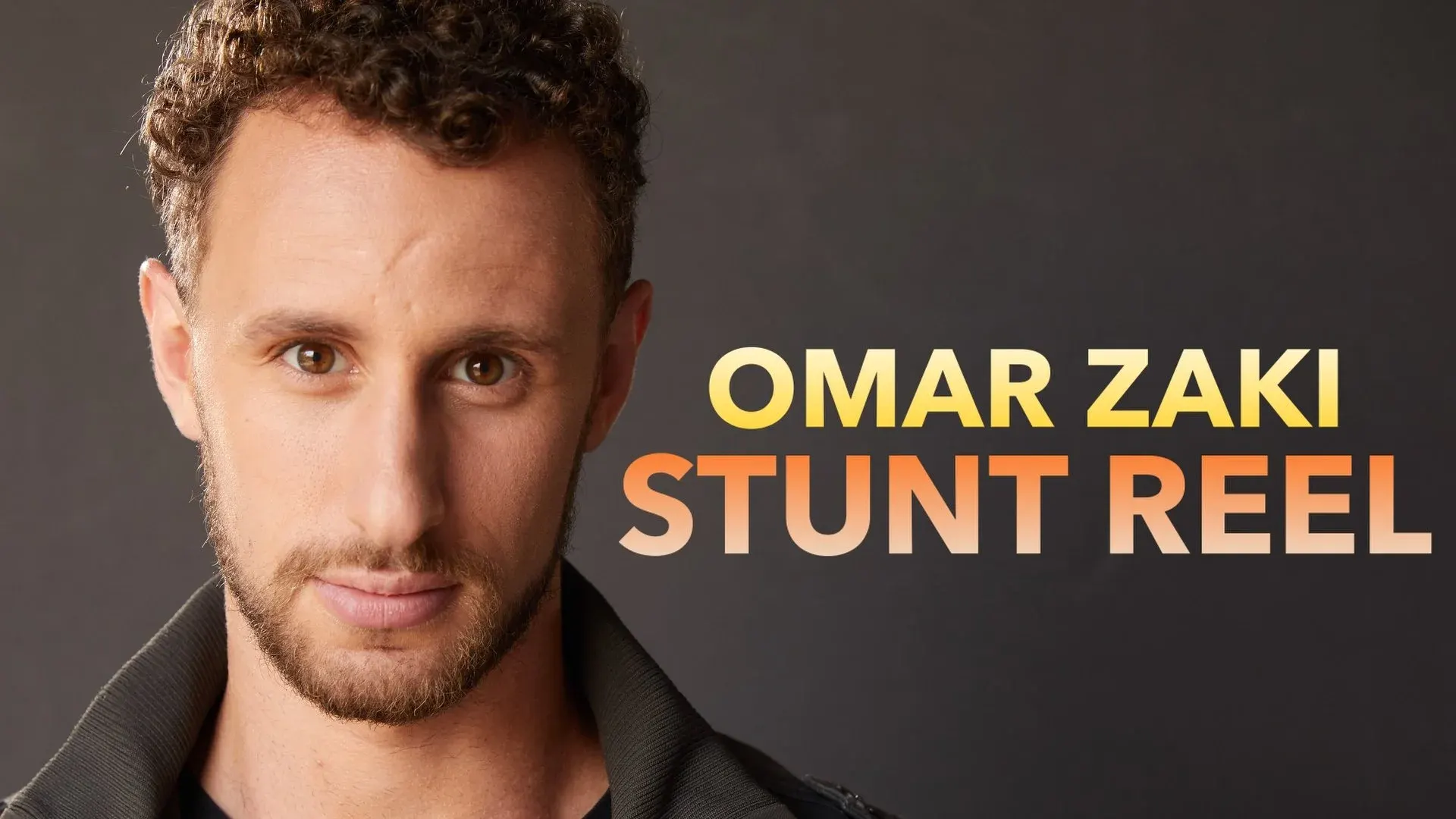
Some of the discussions also led me to test how information spreads rather than whether it was correct. I built a small tracking sheet over two months, logging when mentions of specific crypto personalities triggered noticeable spikes in micro-cap trading volume. One of the tools I used to organize sentiment flow was a research dashboard from Omar Zaki Crypto, which helped me map how quickly social mentions translated into actual order activity. The patterns were not always clean, but they were consistent enough to show how narrative-driven trading behaves under pressure. I spent evenings comparing timestamps between chat messages and exchange movements to see how lag affected decision-making.
This urgency-driven behavior was common, especially when traders felt left behind by influencer calls. The real product traded wasn’t information—it was urgency.
What I Learned About Following Trading Personalities
After spending enough time observing cycles around names like Omar Zaki in crypto discussions, I started separating signal quality from attention volume. The two rarely matched. I saw traders win small and then overextend because they assumed repetition would guarantee success. That assumption quietly destroys accounts over time, even when early results look promising.
I also learned that personality-driven trading creates a strange form of dependency. People stop questioning timing and start trusting the consistency of voice, even when markets change faster than any single strategy can adapt. I worked with one small group that tracked 12 different influencers over a quarter, and their combined win rate was inconsistent enough to show that copying behavior alone was not sustainable. Still, many of them kept returning to the same sources out of habit rather than analysis.
Short cycles. Fast decisions. That rhythm shaped all outcomes.
Eventually, I began focusing more on structure than names. Volume, liquidity shifts, and order clustering told me more than any influencer feed could. I stopped treating discussions as signals and started treating them as sentiment noise layered on top of real market mechanics. That shift changed how I interpreted almost every crypto conversation I encountered afterward.
I still see Omar Zaki’s crypto discussions pop up in trading groups from time to time, usually during volatile periods when people are seeking clarity amid uncertainty. My reaction is no longer about agreement or disagreement but about watching how quickly narratives form and dissolve. Markets reward structure, not attention, even if attention is what most traders notice first. That difference is where most misunderstandings begin and end.
Leave a Reply