I started working with Swop crypto while managing small liquidity positions across decentralized exchanges, mostly to understand how automated market makers behave under different volatility conditions. At the time, I was handling swaps and pool strategies for a group of independent traders who wanted exposure without the need for constant manual trading.
Swop became one of those platforms I kept returning to because of how it handled stablecoin and token pair balancing in real time. My experience with it has been shaped by trial and error and by watching how small changes in liquidity flow affect returns.
Getting comfortable with Swop crypto mechanics
When I first interacted with Swop crypto, I was already familiar with DeFi exchanges, but the structure still required some adjustment in thinking. The platform operates on automated liquidity pools where pricing is influenced directly by supply and demand inside the pool rather than a traditional order book. I remember testing small swaps first, just a few hundred units at a time, to see how slippage behaved under low liquidity conditions. Those early experiments taught me that timing and pool depth matter more than people usually assume.
In one of my early setups, I was comparing different swap routes and noticed that execution speed varied depending on the token pair’s complexity. A colleague last spring asked me to review their configuration because they were losing value during high-volume periods. I explained that routing paths can change outcomes even when the displayed rate appears identical on the surface. It reminded me that DeFi systems often hide complexity behind simple interfaces.
For traders looking to explore similar systems, I sometimes point them toward Swop crypto resources that explain liquidity mechanics in a more structured way. In fact, I often recommend reviewing how the protocol balances pools through an external reference like Swop.fi exchange before committing larger amounts, because understanding the underlying logic reduces costly mistakes. That step alone has saved several traders I worked with from unnecessary losses during volatile sessions. The learning curve is not steep, but it is unforgiving if ignored.
I also noticed that gas fees and network congestion can affect decision-making more than expected. There were times when I delayed swaps by a few minutes and ended up with noticeably different outcomes. Small inefficiencies stack quickly when trading frequently.
Liquidity behavior and trading experience
Liquidity is where Swop crypto starts to feel very different from centralized exchanges. I have managed pools where token ratios shifted dramatically within hours due to sudden market movement. One particular situation involved a stable pair that briefly lost its balance after a large external sell-off, and the recovery process took longer than expected. It taught me that liquidity providers are always partially exposed to market emotion, even in automated systems.
Over time, I began tracking pool performance manually in spreadsheets rather than relying solely on dashboards. That habit came after I noticed inconsistencies between expected and realized returns during a multi-day trading cycle. A few thousand dollars in capital behaved differently than I had predicted, not because of errors in the system, but because of shifting participation in the pools. Those small surprises changed how I evaluate risk.
Working with decentralized systems also means dealing with unpredictable volume spikes. I once observed a sudden influx of trades during a token announcement that caused temporary imbalances across multiple pools. The system’s reaction time was fast but not instant, and that gap is where most strategic opportunities or losses occur. It is not always about predicting price direction, but about understanding how liquidity reacts under pressure.
Many traders underestimate the extent to which psychological factors influence decentralized liquidity. People tend to react collectively, and that behavior shows up directly in pool ratios. I have seen calm markets turn unstable within a single trading session due to coordinated activity.
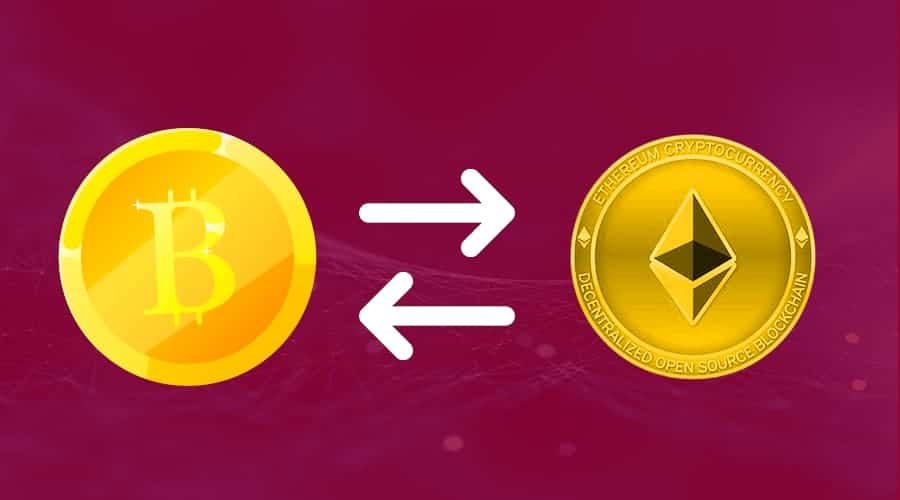
Risk management while using Swop crypto
Risk management is where I spend most of my attention when working with Swop crypto positions. Early on, I made the mistake of concentrating too much capital in a single pool, thinking stable pairs would reduce exposure. That assumption held for a while until volatility hit both sides of the pair simultaneously, causing unexpected, temporary losses. It was a reminder that stability in naming does not guarantee stability in outcome.
I now distribute liquidity across multiple pools with different volatility profiles. This approach does not eliminate risk, but it smooths out extreme fluctuations over time. There were periods where one pool underperformed while another compensated, keeping the overall position balanced. It feels less like prediction and more like controlled exposure management.
Another key adjustment I made was setting internal thresholds for withdrawal. If returns drop below a certain level for a short period, I reassess rather than automatically compound. This discipline came after watching several positions erode slowly without obvious warning signs. It is easy to ignore a gradual decline when dashboards still look acceptable.
I also avoid reacting emotionally to short-term spikes. In decentralized trading environments, sudden movements often reverse faster than expected. Patience has become a more valuable tool than aggressive repositioning.
Long-term perspective on Swop crypto usage
Over time, my approach to Swop crypto has shifted from active experimentation to structured allocation. I treat it less like a trading platform and more like an infrastructure layer for earning passive yield through liquidity provision. That mindset change came after months of observing how small efficiencies compound over long cycles. The system rewards consistency more than constant adjustment.
One of the more interesting patterns I have noticed is how user behavior stabilizes during quieter market periods. When volatility drops, liquidity becomes more predictable, and returns tend to follow a narrower range. During those times, I often reduce monitoring frequency and let positions run without interference. It is not about disengaging completely, but about knowing when activity adds no real value.
There are still moments where I actively reposition capital, especially when I see structural shifts in token demand. Those decisions are usually based on accumulated observation rather than immediate reaction. I have learned that patience inside decentralized systems often produces better outcomes than constant optimization. The system rewards those who understand rhythm more than those who chase every movement.
Even after extended use, Swop crypto still feels like a living environment rather than a fixed product. Conditions change, participants rotate, and liquidity flows adjust continuously. Working inside that environment has made me more cautious but also more disciplined in how I approach decentralized finance overall.
Leave a Reply